
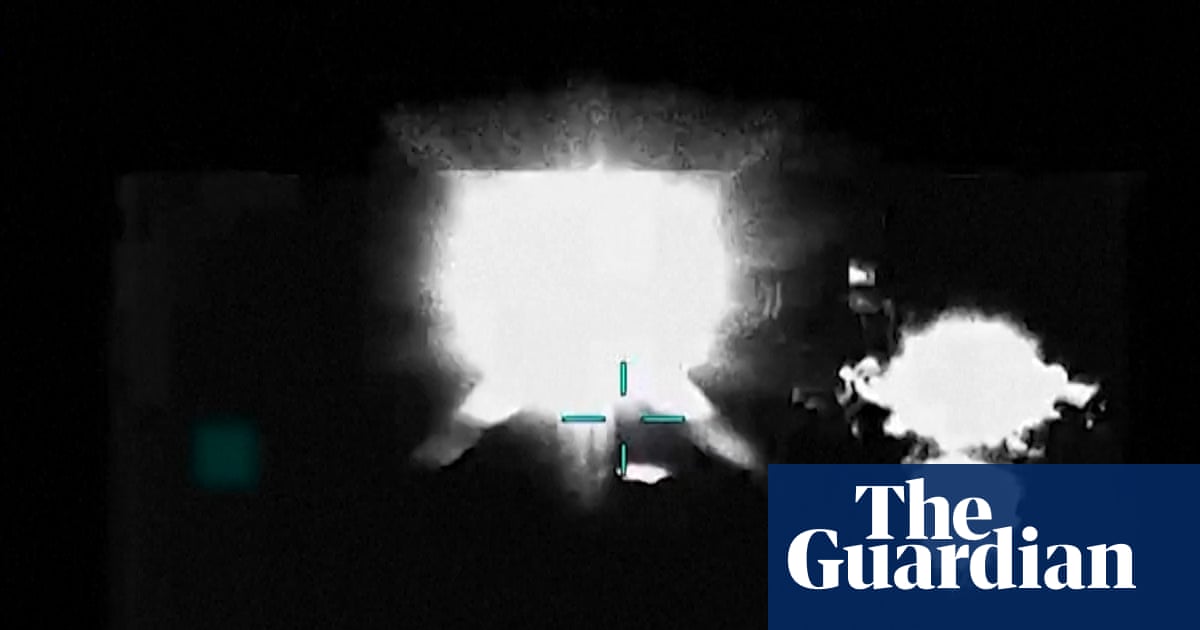
The recent tensions in the Strait of Hormuz highlight the ongoing geopolitical complexities involving Iran and the United States. On June 27, the U.S. military released video evidence of its airstrikes, asserting these actions were in direct response to an attack on a tanker in the strategically crucial waterway. This series of events underscores the fragile balance of power in the region.
The Context of U.S.-Iran Relations
The relationship between the U.S. and Iran has been fraught for decades, characterized by a series of confrontations, sanctions, and diplomatic standoffs. Specifically, the Strait of Hormuz serves as a vital corridor for global oil transportation, making it a focal point for international attention. The U.S. has consistently framed its military presence in the region as a protective measure to ensure the safe passage of vessels and to counter Iranian aggression. Meanwhile, Iran views U.S. actions as provocations that threaten its sovereignty and regional influence.
On the day of the U.S. strikes, a commercial tanker was reportedly attacked, an event that escalated already heightened tensions. The U.S. maintains that its military response was a necessary action to deter further hostile actions from Iran. However, critics argue that such measures may only exacerbate the situation. The Strait of Hormuz has seen multiple incidents involving merchant shipping and military engagements, making it a volatile area that requires careful monitoring.
Implications for Global Security
The escalation in military actions has broader implications for global security and the oil market. The Strait of Hormuz is a critical transit route, with a significant percentage of the world’s oil supply passing through it. Any disruption due to military conflict can lead to increased oil prices and economic instability worldwide. Consequently, the international community is keenly interested in how the U.S.-Iran dynamic unfolds, as it has the potential to impact not just regional stability but also the global economy.
The Path Forward
As tensions continue to rise, finding a diplomatic resolution becomes increasingly essential. Negotiations and dialogue could pave the way toward de-escalation, allowing both nations to address their grievances without resorting to military force. While the U.S. has taken a hardline approach, there is a growing sentiment that engaging in constructive discussions might lead to a more stable and secure environment in the Middle East.
In conclusion, the events of June 27 exemplify the precarious nature of U.S.-Iran relations and the broader implications for global security. The situation in the Strait of Hormuz remains critical, with potential repercussions that extend far beyond the immediate region. As such, monitoring developments will be vital for understanding future dynamics in international relations and economic stability.