
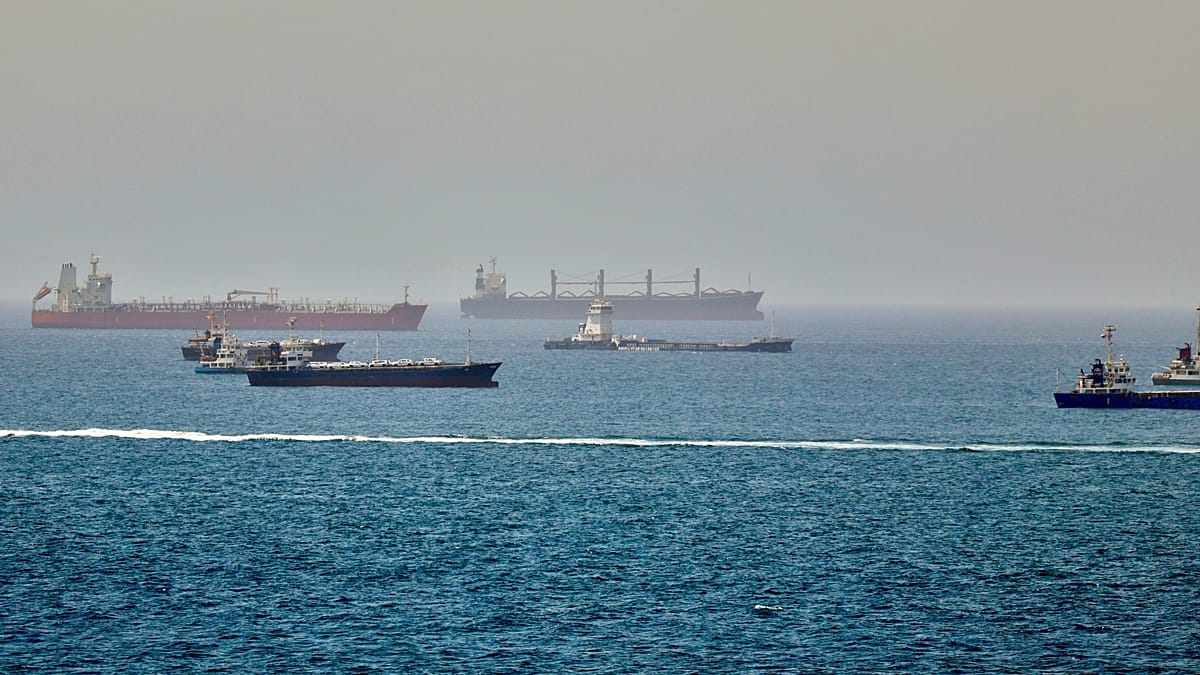
The maritime routes around the Strait of Hormuz have become increasingly perilous, with recent incidents raising concerns about security and disruption in global energy supplies. Notably, the GasLog Shanghai encountered an incident while navigating out of the Strait, shortly after the Al Rekayyat was similarly affected in the region. This series of events highlights the vulnerabilities faced by vessels in these critical shipping lanes.
Recent Incidents in the Strait of Hormuz
The Strait of Hormuz, a vital passage for oil transportation, has seen a surge in maritime threats, which have prompted significant alarm among stakeholders in the energy sector. The collision involving the GasLog Shanghai is a poignant reminder of the dangers that cargo ships face in this strategic area. The maritime community is now abuzz with discussions about the operational safety of vessels navigating these waters, particularly in light of the increased frequency of such incidents.
The Italian utility Edison revealed that QatarEnergy has declared force majeure on three additional cargoes due to ongoing risks. This latest development raises the total number of affected shipments to an alarming 24 through the month of September. Force majeure is often invoked in circumstances beyond an operator’s control, indicating the serious implications of geopolitical tensions and potential disruptions in trade.
Impact on Global Energy Supply
The escalation of events in the Strait of Hormuz is not only a maritime issue but also has significant implications for global energy supplies. As numerous oil tankers traverse these waters each day, any disruption could reverberate throughout the international market. Buyers and suppliers alike must take into account the heightened security risks and consider alternative routes or contingency plans to mitigate the potential impact on operations.
Edison’s announcement of the force majeure extension underlines the strategic importance of Qatar’s liquefied natural gas (LNG) exports. With energy prices already fluctuating due to global demand, the uncertainty introduced by ongoing incidents in the Strait could lead to further volatility in the market. Traders and analysts will be closely monitoring the situation, hoping for a resolution that ensures the safe passage of shipping and minimizes risks to energy delivery.
Looking Ahead: Mitigating Risks in Shipping
As shipping companies navigate this complex environment, it is essential that they adopt comprehensive risk management strategies to safeguard their operations. Increasing surveillance, utilizing advanced technology for tracking, and enhancing collaboration with maritime security authorities can play a pivotal role in ensuring the safety of vessels in potentially hostile waters.
Moreover, stakeholders should look into diversifying supply routes and refining logistics operations to minimize their exposure to disruptions. By staying informed and adaptable, companies can navigate these challenges more effectively and sustain their business operations amidst a dynamic geopolitical landscape.
In conclusion, the recent incidents in the Strait of Hormuz serve as a wake-up call for the maritime and energy sectors. With the threat of further disruptions looming, a proactive approach to risk mitigation and strategic planning will be essential for maintaining stability in energy supplies and safeguarding commercial maritime interests.