
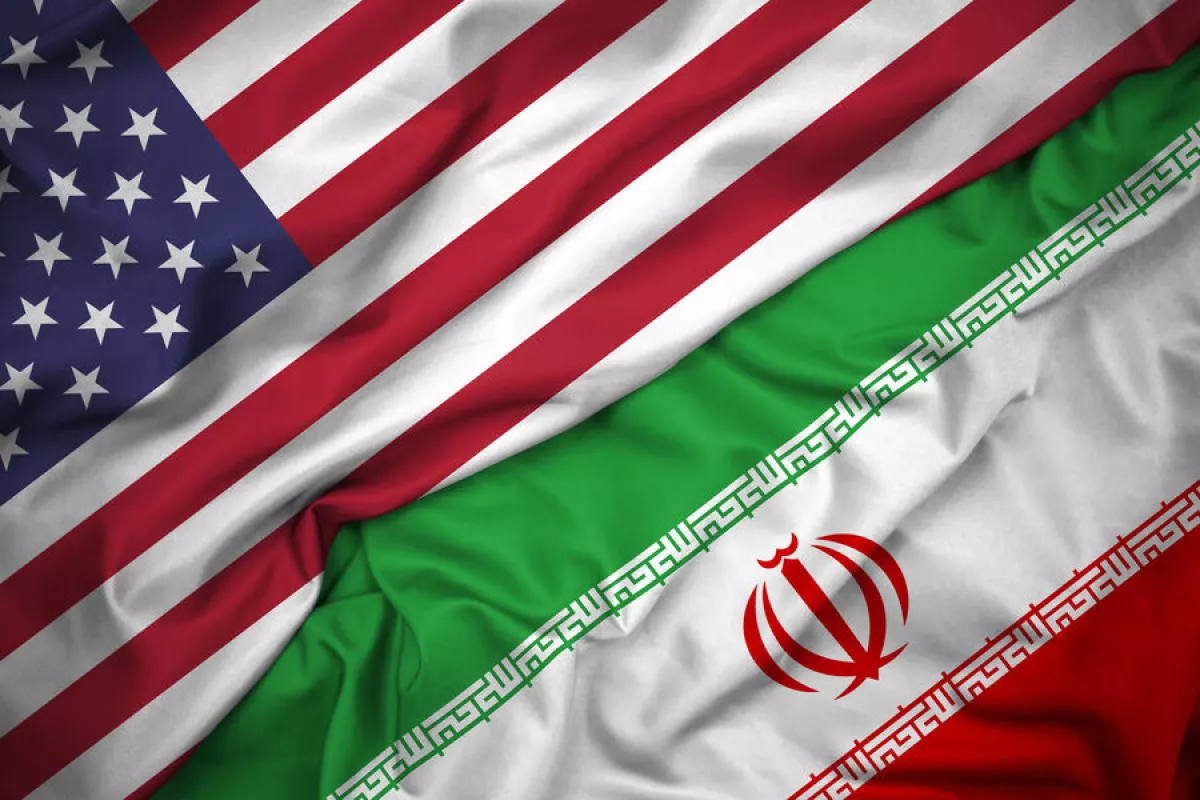
Recent attempts by Qatar to facilitate diplomatic talks between the United States and Iran have not achieved significant results. Sources connected with the discussions indicate that both nations are currently unwilling to shift their positions, which raises concerns about the potential for renewed military conflict.
Challenges in Diplomatic Negotiations
The deadlock in negotiations has heightened fears that U.S.-Iran relations could deteriorate into open conflict. U.S. officials have voiced worries that President Donald Trump might consider reinstating major military operations following the upcoming midterm elections. Despite the increasing pressures, Qatari diplomats remain committed to their mediation role. However, sources report growing frustration among these officials regarding the lack of willingness to compromise from both sides.
On September 28, Qatari mediator Ali al-Thawadi engaged in extended discussions with Iranian Foreign Minister Abbas Araghchi and his team in New York. The focus of the meeting was a two-page proposal crafted by Qatar, aimed at finding a middle ground. This proposal was designed to reconcile Iran’s demands for the lifting of the U.S. naval blockade with Washington’s insistence on receiving nuclear program concessions from Tehran.
Efforts in Washington
Later that same day, al-Thawadi continued diplomatic efforts in Washington D.C., where he met with Jared Kushner, the envoy for Trump, alongside several other U.S. officials. Vice President JD Vance was also present during part of these discussions. U.S. representatives conveyed to the media that their conversations were productive and suggested that Iran had shown some flexibility regarding its nuclear ambitions. They indicated that President Trump was open to the idea of easing sanctions and unfreezing Iranian assets in exchange for tangible steps from Tehran to limit its nuclear activities.
However, within hours of those optimistic reports, Trump took to social media platform Truth Social to state that he had made no concessions to Iran. A source familiar with the proceedings noted that by September 29, there were no substantial advancements made in the negotiations. “The situation is at a standstill. The Iranians are proposing terms that the U.S. cannot accept, while the U.S. believes it holds the upper hand and therefore sees no reason to compromise,” the source revealed.
Regional Implications and Future Talks
The importance of the negotiations extends beyond U.S.-Iran relations, as other regional mediators like Pakistan and Egypt have also urged Tehran to consider concessions concerning its nuclear program. Nevertheless, according to sources, Iran has conveyed that it would only contemplate such concessions if the U.S. agrees to revert to the terms outlined in the June memorandum of understanding.
As the situation unfolds, the role of Qatar and other mediators will be crucial in attempting to bridge the gap between the polarized positions of the U.S. and Iran. The urgency of the matter is palpable, given the potential implications for both regional stability and global security dynamics. Without mutual concessions and a willingness to compromise, the likelihood of escalating tensions remains high, underscoring the complex nature of international diplomacy in high-stakes scenarios.