
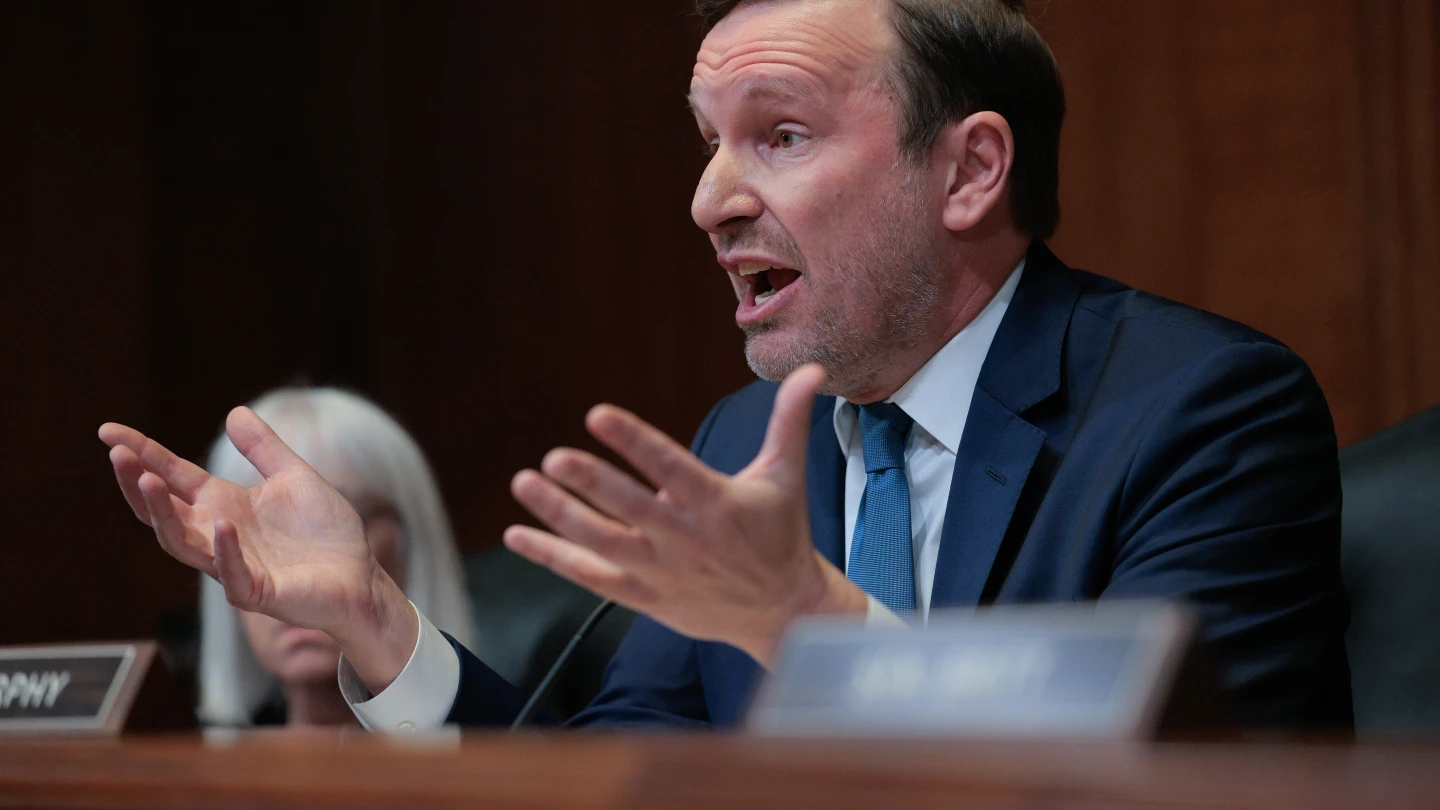
Senator Murphy Shares Insights on Iran Negotiations
Senator Chris Murphy (D-Conn.) recently commented on the complicated negotiations between the United States and Iran, indicating that a resolution does not appear to be forthcoming. After meeting with Qatari officials who are mediating the discussions, Murphy expressed concerns about the limited scope of any potential agreement. His observations are important as they shed light on ongoing diplomatic efforts and the challenges that lie ahead.
Current State of U.S.-Iran Relations
During a press conference, Murphy revealed that an imminent deal is unlikely, and even the parameters for a resolution are expected to be minimal. He likened the situation to a ceasefire memorandum from June that briefly quelled hostilities, which involved the reopening of the Strait of Hormuz for Iranian shipping in exchange for limited U.S. concessions. However, he emphasized that any prospective agreement is not expected to include significant commitments from Iran regarding its nuclear ambitions or missile programs.
Murphy stated, “It will require us to give billions in sanctions relief and release frozen funds, and it may have some relatively small commitments from the Iranians on restrictions of their nuclear program.” He conveyed that the negotiations lack depth, which raises important questions about the potential effectiveness of any agreement.
Meetings in the Middle East
This week, the senator traveled to Qatar and Saudi Arabia to engage in discussions with key figures, including Qatari Emir Tamim bin Hamad Al Thani and Ali Al Thawadi, the official acting as the main intermediary between the United States and Iran. Murphy’s visit aimed to assess the current diplomatic landscape and gather insights from those directly involved in the negotiations.
Interestingly, while speaking earlier this week, U.S. President Donald Trump assured that the United States and Iran were holding “productive discussions.” He also confirmed that no military action against Iran would occur before the upcoming midterm elections, indicating a current preference for diplomacy over escalation.
Criticism of the Administration
Senator Murphy has been a vocal opponent of the Trump administration’s approach to the Iran situation. He accused the administration of obscuring the true costs of the military engagement, stating, “It is absolutely outrageous that I and Republican senators are being denied the ability to see the damage for ourselves.” This criticism highlights ongoing tensions within Congress regarding military oversight and transparency.
In a recent report from the U.S. Department of Defense Inspector General, the exclusion of infrastructure damage resulting from Iranian assaults raised more alarms. Murphy noted that the destruction he observed at U.S. facilities was extensive, especially the damage inflicted by Iranian drone attacks on the U.S. embassy in Saudi Arabia. He stressed that had such attacks occurred during the day, the consequences could have been devastating for American personnel.
Future Legislative Directions
Looking ahead, Murphy hinted that if the Democratic Party regains control of Congress in November, they intend to challenge the funding of military operations against Iran. “If the war is still ongoing early next year, Congress should not appropriate funding for the Department of Defense without a demand for this war to conclude,” he remarked. This statement underscores the potential for legislative shifts in response to public sentiment and foreign policy concerns.
In conclusion, the intricacies of the U.S.-Iran discussions remain deeply complex, with significant implications for future military engagements and diplomatic strategies. Senator Murphy’s insights reveal a cautious approach, emphasizing the need for thorough oversight and meaningful commitments. The landscape of U.S. foreign policy regarding Iran could shift drastically depending on the outcomes of the upcoming elections and the further development of negotiations.