
Introduction
Recently, a significant development unfolded in the legal realm, highlighting the tension between press freedom and government investigations. A federal judge intervened after prosecutors faced heavy scrutiny over their attempts to subpoena reporters from The New York Times, demonstrating the complexities of journalistic integrity in the face of legal challenges.
The Withdrawal of Subpoenas: A Courtroom Drama
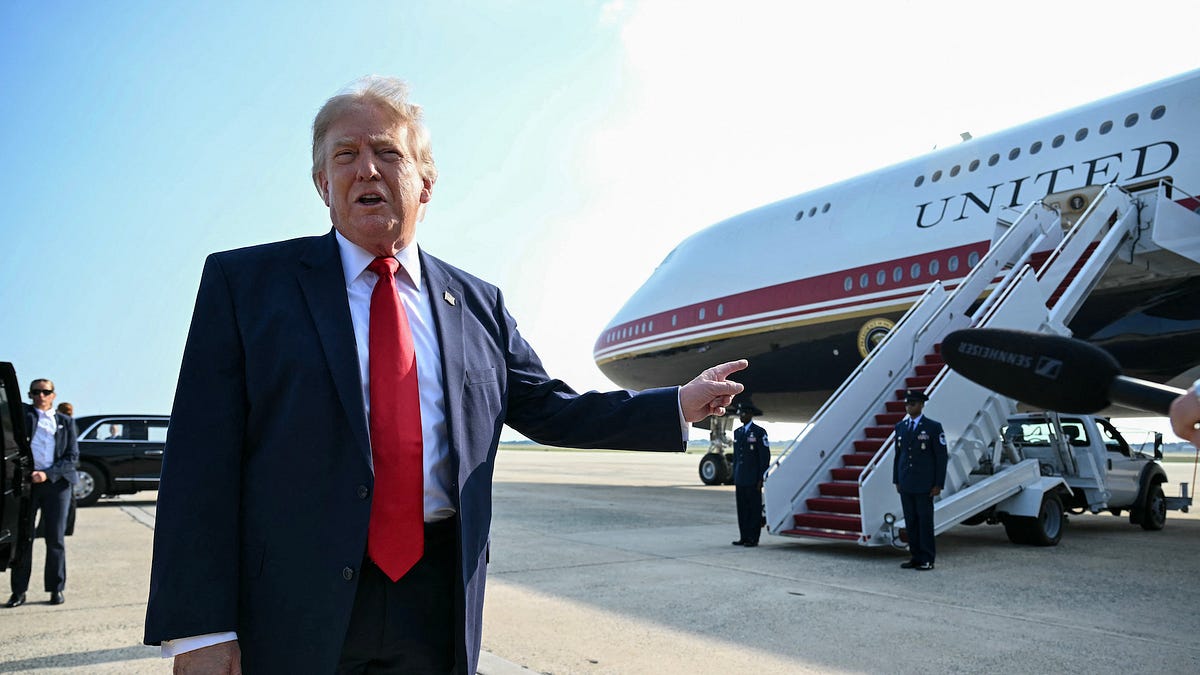
On Thursday, under substantial pressure from U.S. District Judge Arun Subramanian, prosecutors agreed to retract subpoenas aimed at New York Times journalists. This decision came after intense questioning regarding the government’s methods for pursuing the sources behind an investigative piece about security flaws in a Boeing 747-8 gifted to Donald Trump by Qatar. The situation escalated when it was revealed that the subpoenas had extended to the journalists’ family members, which prosecutors later labeled a “mistake.”
Judge Subramanian introduced the hearing with pointed queries, emphasizing that the government had failed to meet the standards set by the Second Circuit in the precedent case New York Times Co. v. Gonzales. He presented the prosecution with a choice: withdraw the subpoenas or face the prospect of them being quashed in court. Initially resistant, the prosecutors conceded approximately an hour into the proceedings, marking a significant win for press freedom advocates.
The Background of the Case
The core of the controversy traces back to a series of investigative articles by The New York Times. The reporting uncovered that the U.S. Secret Service had insisted Trump travel with Air Force One instead of the Qatar-gifted aircraft due to security concerns. The latter lacked essential defensive measures in a region fraught with risks, particularly given its proximity to Iran. Trump later remarked that upgrades to make the plane secure for his usage would potentially cost taxpayers up to $1 billion.
This complex legal battle gained additional layers when Manhattan U.S. Attorney Jay Clayton, appointed by Trump himself, greenlit subpoenas targeting six Times reporters along with their family members. Critics swiftly raised concerns that these actions served more as retaliation against investigative journalism than as genuine efforts to protect national security.
Press Freedom vs. National Security
The implications of this case extend beyond the particularities of The New York Times. It raises fundamental questions about the balance between press freedom and national security. David O’Neil, the attorney representing the Times, articulated that the pattern displayed in the government’s actions suggested a motive divorced from legitimate concerns for national security. In fact, he criticized the government for not addressing the overwhelming evidence of bad faith and harassment directed at the journalists involved.
Prosecutors defended their position, asserting that the investigation involved “substantial national security concerns.” However, Judge Subramanian highlighted the necessity for the government to exhaust all other avenues before resorting to subpoenas against the media, a principle derived from the Gonzales ruling which mandates the protection of press freedoms against unwarranted governmental encroachment.
The Aftermath and Future Implications
In light of the judge’s remarks and the retraction of the subpoenas, questions linger regarding how the government will proceed in similar circumstances. A new briefing requested by Judge Subramanian focuses on the merits of the government’s nondisclosure order and whether they properly notified the reporters affected by the subpoenas. This decision establishes a crucial precedent that reinforces the need for careful scrutiny concerning the treatment of journalists in federal investigations.
The Freedom of the Press Foundation aptly summarized the situation, stating that it’s generally understood, even in the most unscrupulous circles, that families should not be targeted in legal inquiries. As we witness the evolving interplay between journalistic freedom and governmental authority, this case serves as a potent reminder of the essential role of the press in holding power accountable.