
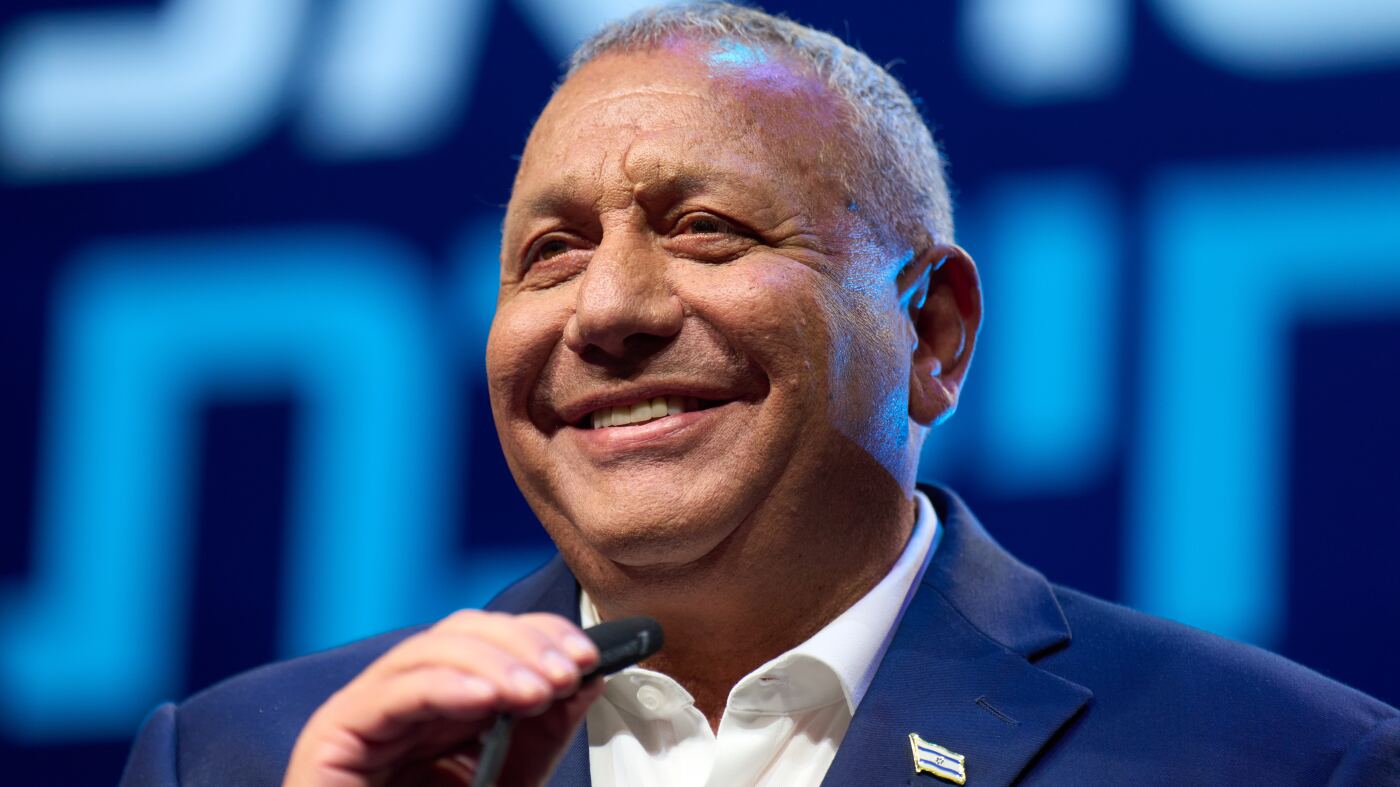
Israel is witnessing a pivotal moment in its political landscape as Prime Minister Benjamin Netanyahu, the longest-serving leader in the nation’s history, encounters significant challenges this autumn. As tensions escalate from years of conflict and public dissatisfaction grows, a former military chief is emerging as a serious contender for leadership. His candidacy offers voters a refreshing perspective, highlighting a deeper yearning for change in the nation’s governance. In this article, we will explore the implications of this outsider’s rise on Netanyahu’s political trajectory and the future of Israel.
Political Landscape in Israel
The political scene in Israel has always been dynamic, but current events have intensified the stakes. Netanyahu’s lengthy tenure has been characterized by both achievements and controversies, but an evident shift in public sentiment signals a potential turning point. Voters are increasingly wary of the status quo, primarily due to ongoing conflicts and socio-economic challenges. This environment has created an opening for new voices and fresh ideas, particularly from those with strong military backgrounds who are perceived to possess the capabilities needed for effective leadership during turbulent times.
Emergence of a New Challenger
With the emergence of a new contender, who boasts substantial security credentials, Netanyahu is now under pressure to redefine his strategies. This former military chief brings to the forefront a vision that resonates with many citizens who are eager for change. His candidacy reflects a collective desire for a transformative approach to governance, rooted in experience yet promising a break from past tactics. The public’s shift towards this challenger signifies a growing appetite for leadership that prioritizes stability and innovative solutions amid complex regional dynamics.
Public Sentiment and Voter Preferences
Public opinion has a pivotal role in shaping election outcomes, and recent polling trends indicate a potentiation of voter sentiment against Netanyahu. Many citizens are seeking a leader who not only understands security issues but also embodies a fresh perspective on domestic policy and international relations. This growing inclination towards a candidate who can unite and inspire reflects broader anxieties about the nation’s direction in an increasingly complex global landscape. The challenger’s ability to harness this sentiment could significantly impact the electoral race and Netanyahu’s future as prime minister.
Implications for Netanyahu’s Political Future
As political scenarios develop, the implications for Netanyahu’s leadership become increasingly significant. The rise of an alternative leader could threaten his longstanding grip on power, forcing him to reevaluate his approach and messaging. Should the challenger successfully connect with disillusioned voters, this could lead to a substantial shift in Israel’s political fabric. Future elections may not only decide the leadership but will also shape the policies and strategies that will define Israel in the years to come. The coming months are crucial, as the nation stands at a crossroads, evaluated through the lens of past experiences and future aspirations.
In conclusion, as Israel prepares for a significant political battle, the dynamics at play reveal deeper undercurrents of change and challenge for Netanyahu. The emergence of a former military chief signals a potential shift in not just leadership but also in the values that will guide Israel moving forward. The outcome of this rivalry will undoubtedly have lasting implications for the nation’s governance and its people.