
Israel is currently moderating its military operations in Gaza while simultaneously opposing diplomatic measures that would let Hamas maintain a say in its own disarmament. This development reflects a complex interplay of strategy and perception, as senior security experts in Israel express concerns about Hamas’s maneuvering tactics.
Understanding Hamas’s Strategy
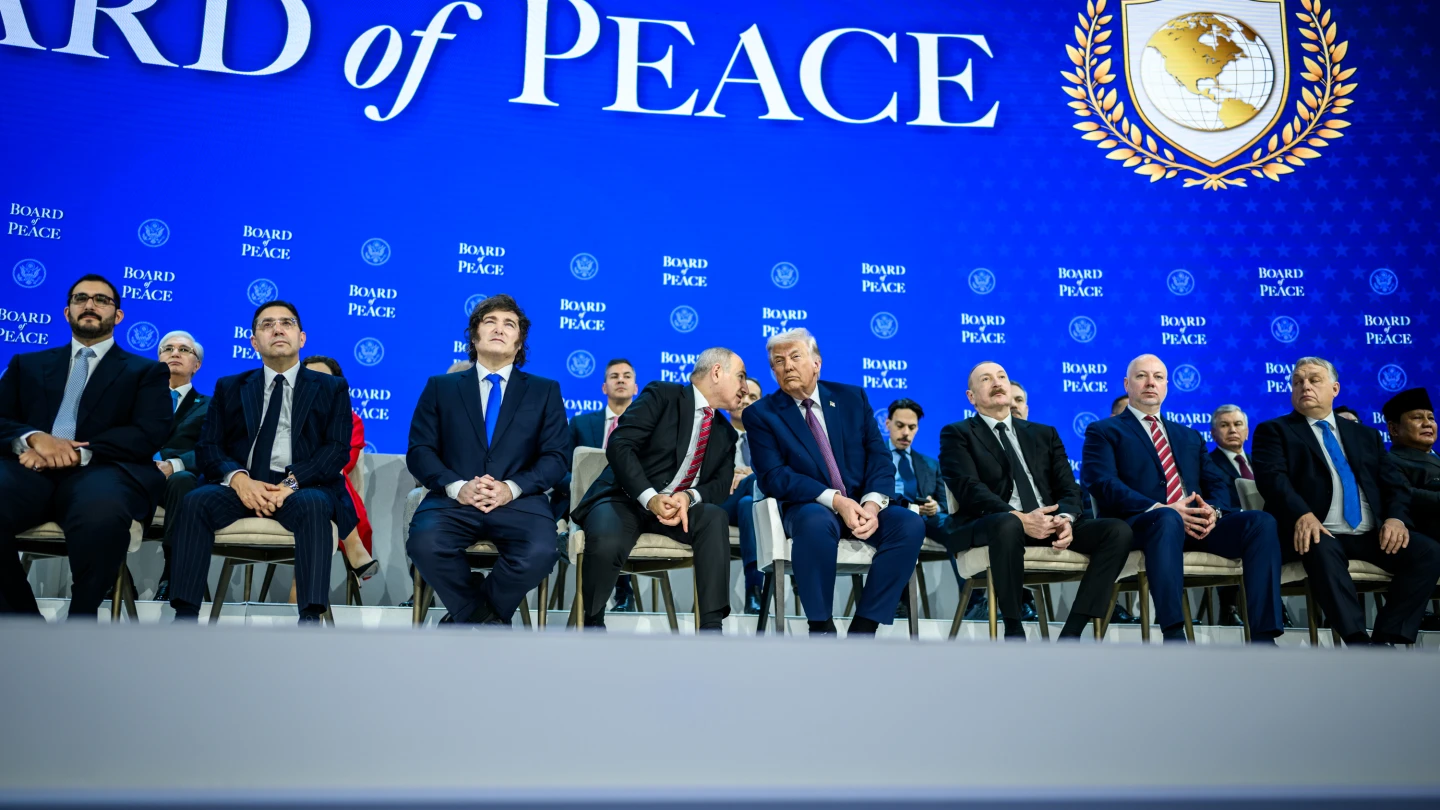
Recent reports indicate that Hamas’s acceptance of the Board of Peace’s 15-point roadmap is more of a strategic ruse intended to retain its arsenal and control over Gaza. Experts argue that the roadmap, initiated by former President Donald Trump, is fundamentally flawed and undermines Israeli security interests. Col. (ret.) Amit Assa, a former Shin Bet official, contends that the process is heavily influenced by external actors like Qatar and Turkey. He emphasizes that such a framework may serve only to reinforce Hamas rather than dismantle it.
Assa contends that the roadmap’s definition of disarmament is problematic. He asserts that disarming Hamas should entail a complete dismantling of the group, rather than allowing it to keep any weapons or policing capabilities. This, according to Assa, poses a significant threat, especially in light of the group’s violent history. He argues that any diplomatic engagement that allows Hamas to maintain a semblance of operational authority would mean the organization remains intact and dangerous.
Concerns Over International Involvement
The potential for international forces to assume responsibility for Gaza’s security structures is another contentious point. Assa points out the failures of past experiences where Israel relinquished security control to international organizations. He warns that such moves often lead to terrorist organizations establishing strongholds, citing Hezbollah as a primary example. He believes that Israel cannot depend on external parties to safeguard its security interests.
Moreover, the Israeli military presence in Gaza has reportedly strengthened intelligence operations, providing Israel with advantages it lacked during previous peace processes. This growing capability enhances the ability to identify and neutralize threats posed by terrorist operatives. As Israel pursues those responsible for recent violence, experts emphasize that any talks of a ceasefire should not diminish operational efforts against these threats.
Divided Opinions on Gaza’s Future
Former IDF deputy chief of staff Maj. Gen. (res.) Uzi Dayan proposes a more aggressive approach, advocating for a full military occupation coupled with a structured administration in Gaza, akin to the post-World War II governance in Germany. Dayan argues that unless Israel maintains prolonged control over Gaza, even the dismantling of Hamas might only lead to the emergence of new factions.
Dayan highlights that most Gazans support Hamas, which complicates any transition strategy. If control is not sustained, new iterations of the group—potentially even more radical—could arise. Therefore, he asserts that leveraging the ongoing international process, albeit flawed, could yield additional strategic advantages for Israel.
In summary, while Israel moderates its strikes, the prevalent sentiment among security officials suggests a deep skepticism towards any framework that could empower Hamas. This ongoing debate highlights the multifaceted challenges Israel faces regarding security, diplomacy, and the unpredictable dynamics within Gaza. As the situation continues to evolve, the stakes remain high, with the potential for both regional and international ramifications.