
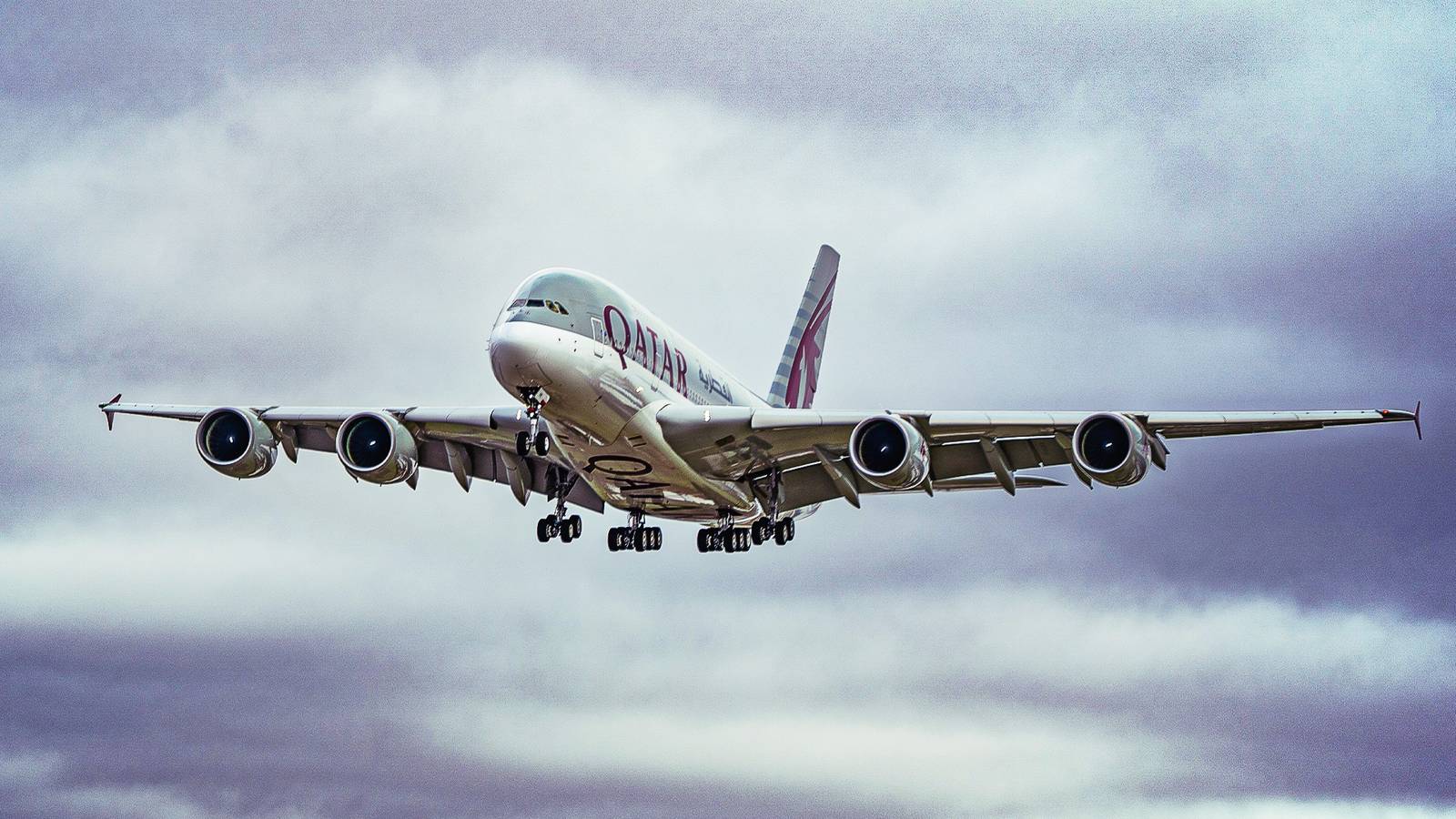
Qatar Airways has made significant shifts in its operational strategy by reactivating stored and semi-retired widebody aircraft. This tactical response emerges from a critical operational shortfall that jeopardized its hub-and-spoke network centered at Hamad International Airport. The airline found itself in a unique position, forced to reconsider its fleet options and leverage older aircraft it had previously earmarked for phase-out.
A Turning Point in Fleet Management
Mid-2021 marked a pivotal moment for Qatar Airways as a regulatory conflict with Airbus led to the grounding of several Airbus A350s. Inspections revealed serious concerns regarding the aircraft’s fuselage surface degradation, which could potentially affect airworthiness. The subsequent withdrawal of around 30 A350s created a significant gap in the airline’s long-haul capacity, leaving planners with few options to fill this substantial void.
Given the constraints of narrowbody aircraft, which lack the necessary range and cargo capacity, Qatar Airways faced a dilemma. The solution lay in its previously retired Airbus A330s and A380s. This bold move converted a crisis into a masterclass in strategic fleet management, demonstrating the importance of asset flexibility in aviation.
Superjumbo Comeback
In December 2021, Qatar Airways surprised many by reintroducing its Airbus A380s back into service. Initially stored due to the pandemic’s impact, the grounding of the A350 fleet forced the airline’s hand. Despite concerns regarding fuel efficiency, the A380 represented an immediate solution, capable of transporting a large number of passengers efficiently, thus stabilizing revenue streams.
The process of reactivating these superjumbos involved meticulous engineering and logistical efforts, from C-checks to crew training. By taking to the skies once again, these aircraft effectively mitigated losses from grounded A350s, particularly on high-demand routes like those to London and Paris, where congestion often strained runway capacity.
A Layer of Backup with the A330
In addition to the A380s, Qatar Airways reactivated its Airbus A330 fleet, which had been slated for retirement. This strategic move provided an immediate operational buffer, allowing the airline to maintain short-to-medium-haul routes while larger aircraft serviced long-haul needs.
The quick turnaround for these A330s involved thorough inspections and subsequent assignment to high-frequency regions. This not only freed up larger aircraft for intercontinental flights but also ensured that passenger service levels remained intact despite operational challenges stemming from the A350 grounding.
Benefits of a Diversified Fleet
With the grounding of the A350s, Qatar Airways faced a critical choice: invest in reactivating owned aircraft or opt for costly third-party charters. The decision to reactivate its legacy A330s and A380s proved financially wise, avoiding the high fees associated with hiring external capacity.
During unforeseen disruptions, having a fleet of depreciated yet airworthy aircraft offers airlines a financial safety net. This strategic reserve allows Qatar Airways the flexibility to navigate market volatility and geopolitical tensions, effectively turning a crisis into an opportunity for resilience.
In an industry defined by unpredictable challenges, the ability to pivot and utilize a broader fleet spectrum showcases Qatar Airways’ adeptness in fleet management. The reactivation of older aircraft not only sustained operations but also reinforced the airline’s position within a competitive global marketplace, emphasizing the significance of asset management and strategic foresight.