
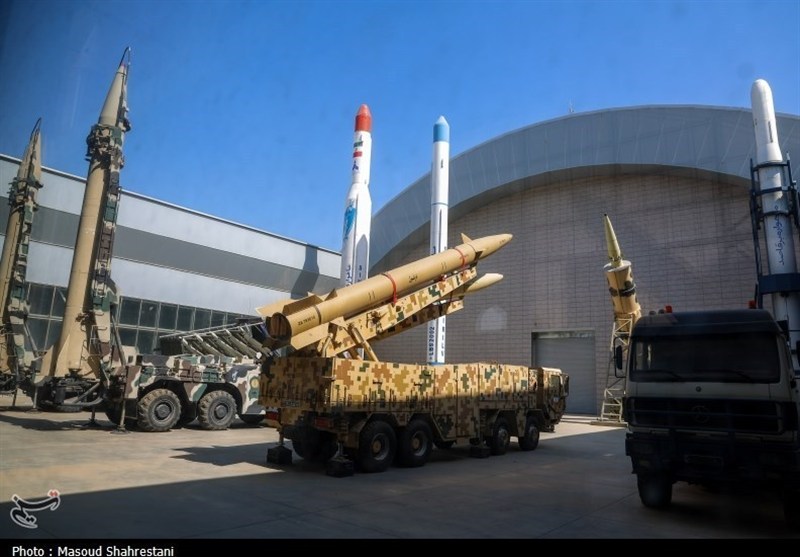
The Islamic Revolutionary Guard Corps (IRGC) recently reaffirmed its commitment to retaliatory operations against US military installations in the region. This development forms part of an ongoing response to perceived threats affecting Iran’s sovereignty and civilian populace.
Operation Nasr-2: A Continued Campaign
The IRGC Aerospace Force has intensified its actions by launching the 15th phase of Operation Nasr-2. Dedicated to those affected by alleged US aggressions, the operation aims to demonstrate Iran’s resolve to retaliate against what it terms as “aggressor” actions by the United States. The latest operation notably targeted the Al Udeid Air Base in Qatar, one of the crucial hubs for US military operations in the Middle East.
According to statements from the IRGC, the strike on Al Udeid resulted in the destruction of a long-range radar installation and several US aerial refueling aircraft, which are vital for sustaining air operations. This focus on significant military assets indicates a strategic approach meant to disrupt US capabilities in the region. The IRGC emphasized the need for a heavy response as a way to counteract US military presence and actions they view as hostile towards Iran.
A Stern Warning to the US and Allies
In the wake of these operations, the IRGC has issued stern warnings to both the US and its allies in the region. They asserted that any further attacks on Iranian civilians or critical infrastructure will lead to severe consequences. The IRGC’s communiqué stressed that crossing Iran’s “red lines” would not go unpunished and hinted at future operations that will mark significant shifts in the history of military engagements. This serves as a critical message not only to the United States but also to countries hosting American military facilities.
Throughout Operation Nasr-2, the IRGC has continued to expand its scope, illustrating a commitment to respond robustly to perceived threats. During previous phases of the operation, the IRGC has successfully targeted various locations, including a US command center in Syria’s al-Tanf, where a combination of radar systems and helicopters were destroyed. These actions clearly delineate Iran’s strategy to strike at critical military infrastructures as part of its broader doctrine of deterrence.
Recent Escalations and Broader Implications
The IRGC has also extended its operations beyond previous targets, hitting military bases in Kuwait and conducting campaigns in Oman and Jordan. Notably, in its 12th phase of the operation, the IRGC targeted a US military base in Kuwait, destroying radar systems and igniting substantial fires at the facility. The timing of these strikes indicates a calculated escalation that seeks to demonstrate Iran’s capability and willingness to defend its national interests.
Furthermore, the IRGC Navy has claimed success in neutralizing both maritime and aerial control systems within the region. Such developments highlight a multifaceted approach by Iran, combining air, ground, and naval operational capabilities to secure its regional influence. As tensions continue to rise, the IRGC’s actions suggest a strategic pivot towards a more aggressive posture in confronting US military power and its allies.
This ongoing series of retaliatory operations emphasizes the fragility of regional stability and suggests that the conflict between Iran and the US could spiral into a larger confrontation unless diplomatic channels are restored. The IRGC’s comprehensive strategy underlines the complexity of military engagements in the Middle East, where both sides remain poised for further escalation in the backdrop of longstanding animosities.