
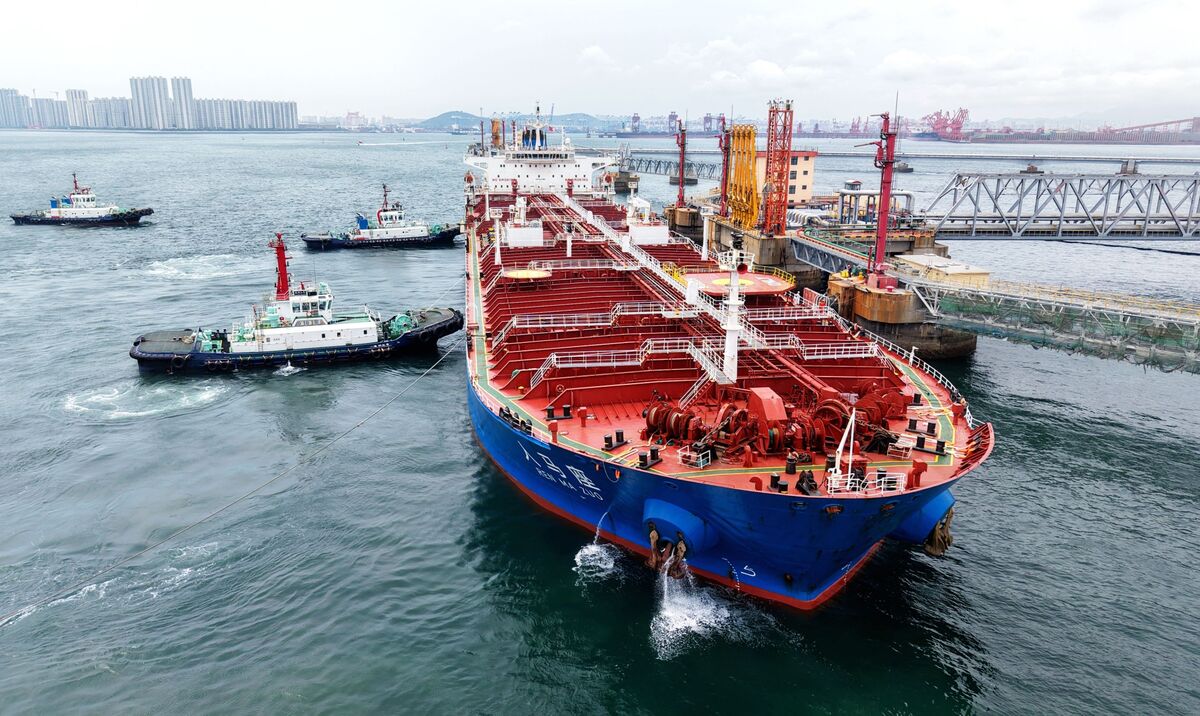
Qatar is making strides alongside other nations in the Persian Gulf in increasing its crude oil sales, spurred by the recent interim peace agreement between the United States and Iran. This development signals a significant shift in the oil market, as regional producers seize the opportunity to enhance their output and global market presence. With changing dynamics in geopolitics, the Gulf region is positioned to capitalize on its rich oil reserves.
Revitalizing Crude Oil Sales in the Gulf
The Persian Gulf, notable for its vast oil resources, has historically played a critical role in global energy markets. With countries like Qatar stepping up their crude oil production, there is an increased focus on stabilizing supply chains and enhancing economic viability. The current cooperation among Gulf states highlights a collective effort to boost oil exports while ensuring a responsiveness to market demands.
The US-Iran peace negotiations have created an atmosphere of cautious optimism. Analysts project a potential return to higher production levels as the threat of conflict diminishes and trade relations potentially evolve. With significant reserves, Qatar’s participation is expected to influence oil prices globally, reflecting its strategic importance in the region.
Market Implications of Increased Production
The recent uptick in crude oil sales could lead to fluctuations in oil prices as the global supply adjusts to potential increases. This is particularly relevant for markets that have been grappling with the volatility of oil prices in recent years. The timing of Qatar’s increased activities seems strategically calculated to benefit from the current geopolitical landscape, attracting interest from global investors looking to secure advantageous positions.
Furthermore, the revitalization of production in the Persian Gulf might impact not just oil prices, but also investment strategies. Regions that rely heavily on oil exports, like Qatar, are poised for economic rejuvenation as they adapt to the evolving market conditions. The situation creates a more conducive environment for foreign direct investment, enhancing collaboration with international oil companies looking to tap into Qatar’s significant oil potential.
The Future of Qatar’s Oil Industry
As Qatar resumes robust engagement in the crude oil sector, the future looks bright for its oil industry. Enhanced production capabilities, combined with an understanding of global market trends, will solidify its role within the Gulf Cooperation Council. Maintaining competitiveness will require innovation, as well as a commitment to sustainability, reflecting the shifting focus in energy consumption worldwide.
The ongoing peace dialogues not only shape Qatar’s oil strategy but also set a precedent for how conflict resolution can positively impact economic relations in the region. In this volatile industry, where countries rely on oil exports for economic stability, Qatar’s proactive measures and collaborative spirit exemplify a strategy that could yield significant dividends in the global market.
In summary, Qatar’s increased crude oil sales, in tandem with the overall revival among Persian Gulf nations, represents a pivotal moment for the oil industry, influenced by geopolitical shifts. This renaissance not only showcases Qatar’s commitment to fortifying its market position but also illustrates the broader implications for global energy dynamics. With prudent strategies in place, the Gulf region appears ready to navigate future challenges while maximizing its oil potential.