
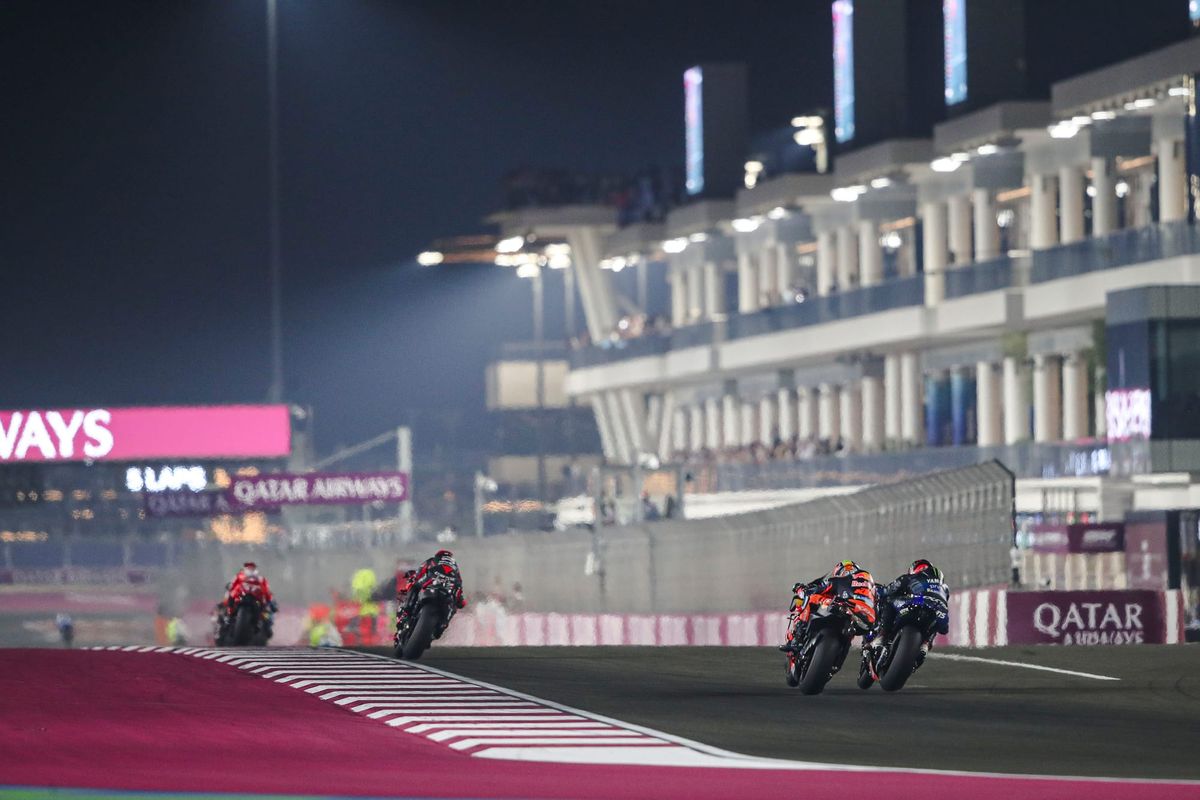
The 2026 MotoGP season is facing significant uncertainty ahead of the upcoming race in Qatar. Tensions in the Gulf region have prompted riders to question the safety of competing in such an unstable environment. Reports suggest that during a secret meeting held at the Australian Grand Prix, a substantial majority of the riders expressed their reluctance to race in Qatar. Their concerns highlight a broader apprehension about the implications of escalating geopolitical tensions on international sports.
Riders Voice Their Concerns
The meeting, which took place at Phillip Island prior to the Australian Grand Prix, reportedly saw around two-thirds of the attendees voting against participating in the Qatar event. Originally set for early April, the Qatar race has been rescheduled to November due to the ongoing conflict involving Iran, Israel, and the United States, which has already caused significant travel disruptions for teams returning from Thailand. The riders’ hesitance raises questions regarding the wisdom of pushing forward with plans for the race.
Official Stance and Safety Priorities
Despite the riders’ apprehensions, MotoGP officials remain committed to proceeding with the Qatar race. In recent communications with teams, the organizers reiterated their intent to follow through with plans to travel from Sepang to Lusail next month. MotoGP Deputy CEO Carlos Ezpeleta emphasized the importance of safety and well-being for all involved, stating, “We are closely monitoring the situation.” The series aims to devise contingency plans, recognizing that the geopolitical climate could shift unexpectedly.
Geopolitical Factors and Risks
The fragile truce currently in place has added to the uncertainty, with analysts expressing concern that upcoming US midterm elections might influence the already volatile situation. Recent statements have also hinted at potential military actions, further complicating matters. The Emir of Qatar has cautioned residents to prepare for possible unrest, while the United States has begun evacuating embassy dependents. This backdrop has fueled dissent among riders and teams about the decision to hold the race in Qatar.
When asked about the developments, many riders opted for caution, choosing not to speculate. Alex Marquez, however, was more explicit about his worries, remarking, “It seems like it is not under control, and changes can come rapidly.” He urged that prioritizing safety over financial stakes is crucial as the championship navigates this sensitive situation.
Logistical Challenges Ahead
Compounding the matter is the potential for logistics complications should airspace restrictions be imposed. The logistical nightmare of getting teams and equipment stranded in Doha could affect the subsequent races in Portugal and Spain. Earlier this season, concerns about insurance and travel advisories led to speculation that the Qatar race might be canceled altogether, casting further doubt on the viability of proceeding under current conditions.
Warnings from several governments including the US and Japan have complicated travel plans for team personnel. If the race goes ahead, attendance for media may also be limited, with broadcasters considering alternative arrangements for coverage. As the situation continues to evolve, the MotoGP community finds itself at a crossroads, balancing the thrill of competition with essential safety considerations.