
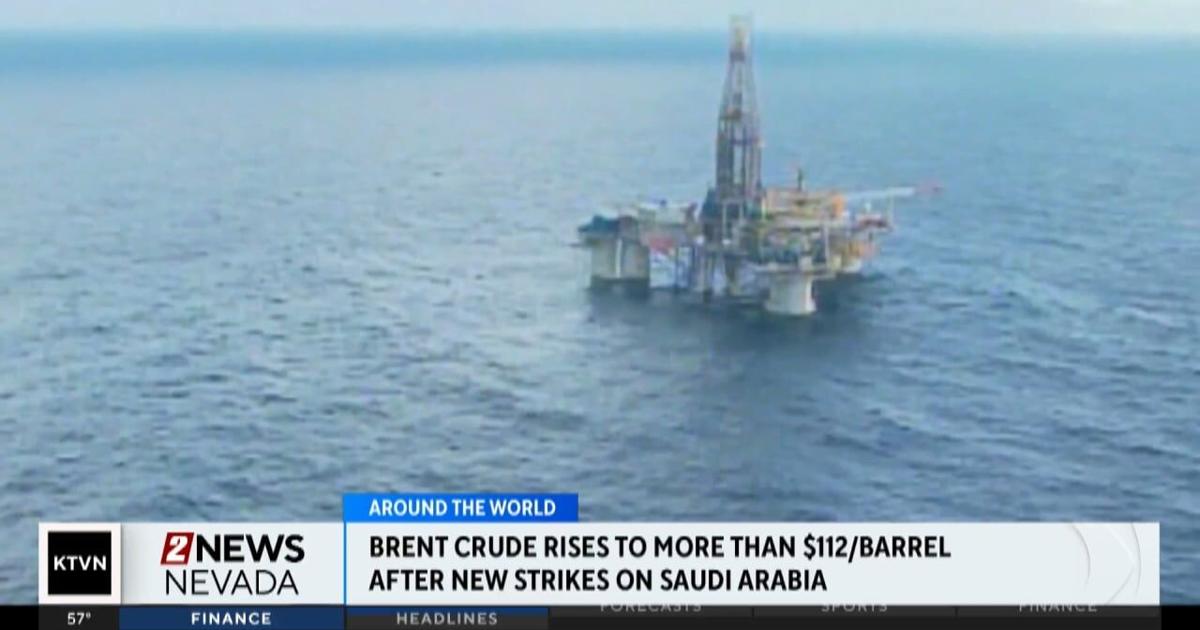
Crude oil prices have a significant impact on the global economy, influencing everything from transportation costs to consumer prices. As of recent evaluations, the price of crude oil stands at $100 a barrel, a figure that has raised eyebrows in various industries. Understanding the factors influencing these prices is crucial for businesses and consumers alike.
Understanding Crude Oil Pricing
Crude oil prices fluctuate based on a multitude of factors, including supply and demand dynamics, geopolitical tensions, natural disasters, and production decisions made by OPEC (Organization of the Petroleum Exporting Countries). When supply is interrupted due to conflicts, natural disasters, or other disruptions, prices can spike dramatically. Conversely, increased supply often leads to lower prices.
Consumer behavior also plays a vital role in oil pricing. As economies recover or grow, the demand for oil typically increases, which can drive prices higher. On the other hand, when economic activity slows down, the demand for oil may decrease, leading to a price drop. The interconnectedness of global economies means that events in one region can influence prices worldwide.
The Role of Geopolitical Tensions
Geopolitical factors are a significant contributor to oil price volatility. Conflicts in oil-rich regions, such as the Middle East, can create uncertainty in the market. This uncertainty often leads to speculation, driving prices higher as traders anticipate potential shortages. For instance, tensions around major oil-producing countries can send shockwaves through the market, resulting in price surges.
Furthermore, government policies, such as sanctions on oil-producing nations, can drastically affect global supply. Such sanctions reduce the amount of oil available on the market, further increasing prices. An example is the sanctions imposed on Iranian oil, which have historically led to higher crude oil prices globally.
Impact on the Economy and Consumer Prices
The $100 per barrel price tag on crude oil does not exist in isolation; it reverberates through various sectors. Transportation companies, for instance, face increased fuel costs, which often translate to higher prices for goods and services. As transportation costs rise, businesses may pass these expenses onto consumers, leading to inflationary pressures.
Moreover, energy-intensive industries such as manufacturing and agriculture can also feel the pinch. Higher crude oil prices can lead to increased operational costs, which could ultimately reduce profit margins and result in higher consumer prices for everyday goods. This is particularly concerning for households, where rising costs at the pump can lead to tighter budgets for other essential expenses.
The Future of Oil Prices
Looking ahead, the future of crude oil prices remains uncertain. Various factors, including advancements in renewable energy, regulatory changes toward emissions, and shifts in consumer behavior, can shape the oil landscape. The increasing push for sustainability may gradually decrease the dependency on fossil fuels, altering demand dynamics for oil over time.
Nevertheless, short-term forecasts are often heavily influenced by immediate events, such as geopolitical conflicts or changes in production levels. Closer monitoring of these factors is essential for those affected by oil prices, from businesses to consumers. Understanding the complexities behind these pricing mechanisms empowers individuals to make informed decisions in a fluctuating economy.
In conclusion, with crude oil priced at $100 per barrel, the implications are extensive, affecting various sectors of the economy and individual consumers alike. The interplay of supply, demand, geopolitical tensions, and consumer behavior creates a complex web that influences prices, making it crucial to stay informed about trends and forecasts in the oil market.