
Qatar is actively working to redefine its global image, pouring significant investments into developments that will influence its cultural landscape for years to come. As the world focuses on geopolitical conflicts in the Middle East, Qatar is making strides to become a pivotal center for culture and leisure.
Ambitious Development Plans in Qatar
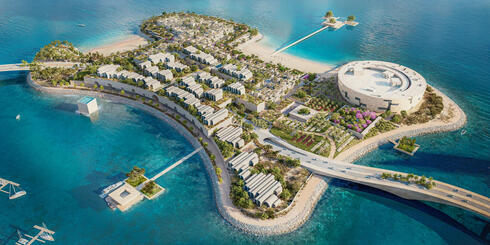
The Gulf nation, recognized as one of the wealthiest due to its vast natural gas reserves, recently introduced a groundbreaking urban initiative: an artificial island in Doha. This project aims to create an upscale community that seamlessly integrates cultural, recreational, and residential spaces. The ambitious master plan includes various elements, such as a museum dedicated to Orientalist art, a new branch of Art Basel, a bustling food market, luxurious hotels, and exclusive waterfront villas.
Cultural Aspirations and Urban Transformation
Qatar’s primary goal is to establish itself not just as an energy giant but as a culturally influential hub. Originally constructed to accommodate visitors during the 2022 World Cup, Al-Maha Island is being revitalized into a fully functional urban district. Covering approximately 230,000 square meters and located on reclaimed land just north of Doha, it features a vibrant promenade, eateries, beach clubs, and hospitality venues. With the envisioned changes, it will evolve from a temporary entertainment venue into a permanent neighborhood filled with cultural institutions, residential spaces, shopping areas, hotels, and parks.
The project intends to create a lively urban setting that operates all year round, rather than just a seasonal tourist attraction. It’s essential for Qatar to cultivate an atmosphere that encourages community interaction and cultural exchange, which could, in turn, reshape its international stature.
Architectural Vision and Sustainable Design
The design of Al-Maha Island is the brainchild of the internationally acclaimed Swiss architectural firm Herzog & de Meuron, also known for creating the National Library of Israel in Jerusalem. The architects aim to embrace local building traditions while accommodating diverse functions, such as living spaces and cultural institutions. Their vision incorporates traditional architectural styles, including courtyard homes and earth-toned structures, integrating local materials like sand and rock to foster a sense of place.
The island’s transportation plans focus on pedestrian-friendly pathways while minimizing vehicle use, with underground infrastructure designed to enhance walkability. This thoughtful approach ensures public spaces are dedicated to enjoyment and relaxation, free from the clutter of cars, while keeping stunning views of the sea unobstructed.
A Cultural Hub: The Lusail Museum and Art Basel
At the project’s heart lies the Lusail Museum, set to showcase an extensive collection of Orientalist art. Designed with sustainability in mind, the museum’s exterior will also utilize locally sourced materials, aiming to lessen construction’s environmental impact. Its unique three-part spherical form creatively represents a full moon and a crescent, drawing inspiration from traditional Islamic architectural principles to enhance its cultural resonance.
A noteworthy component of the development is the introduction of Art Basel to Qatar, marking its first permanent installment in the Arab region. This significant event cements Qatar’s status as a global artistic destination, extending beyond conventional exhibition formats by incorporating community engagement and cultural festivities throughout the island.
As Qatar embarks on this transformative journey, the overarching aim is clear: leveraging architecture and culture as pivotal elements in reshaping its global narrative and inviting a new demographic of tourists and artists into its fold. The outcome of the Al-Maha project could redefine cultural interactions and elevate Qatar’s position on the international art stage, effectively merging tradition with modernity.