
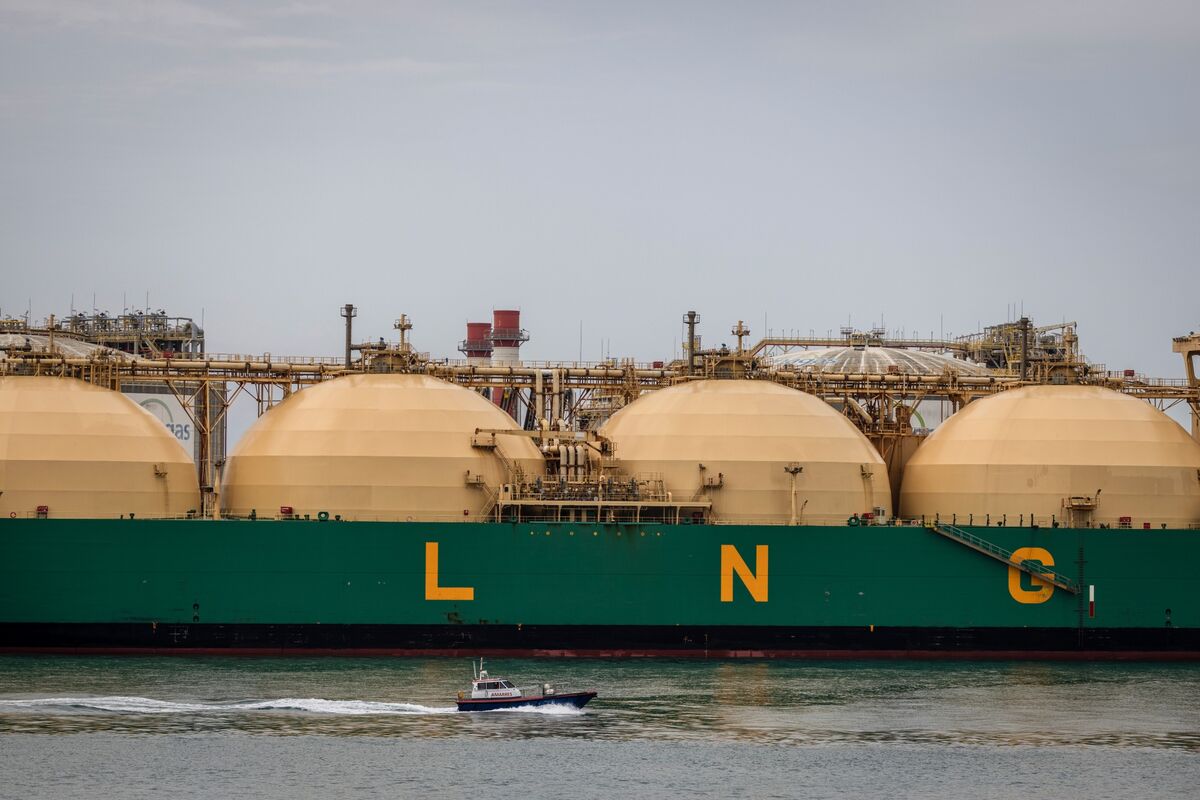
Pakistan’s recent procurement of liquefied natural gas (LNG) illustrates the ongoing challenges it faces in securing energy resources due to geopolitical tensions. As regional instability persists, particularly in the Strait of Hormuz, the nation has scrambled to ensure a steady flow of energy supplies essential for its economy.
Current LNG Acquisition Amid Regional Unrest
This week, Pakistan made a timely decision to purchase an LNG shipment slated for immediate delivery. This move comes against a backdrop of increasing pressure on Qatari export capabilities, primarily caused by heightened tensions in the strategically vital Strait of Hormuz. The transport routes in this region are crucial for the global energy supply chain, and any disruptions can have far-reaching impacts on countries reliant on imports, such as Pakistan.
The deterioration of relations and potential conflicts in the Strait of Hormuz underline the vulnerability of energy supply routes. As a country grappling with energy shortages and striving to meet the demands of its growing population, Pakistan’s energy strategy cannot afford to falter. Thus, securing LNG supplies from alternative sources is critical for ensuring energy security and maintaining economic stability.
Strategic Importance of LNG for Pakistan
Liquefied natural gas is an integral part of Pakistan’s energy landscape. Given the country’s limited domestic energy resources, LNG imports have become a lifeline for meeting the needs of both consumers and industries. With demand for energy soaring, particularly in the industrial and residential sectors, the timely acquisition of LNG becomes pivotal not just for immediate needs but also for long-term energy planning.
The recent purchase reflects a proactive stance taken by Pakistan’s government. By securing immediate supplies, Pakistan aims to mitigate the risk of energy shortages that could stall economic growth and impact daily life. Additionally, this strategy aligns with the government’s broader objective of diversifying its energy sources, thereby reducing reliance on any single supplier or route.
Future Implications and Energy Policies
Looking forward, Pakistan’s energy policies must adapt to the shifting geopolitical landscape. The country’s ongoing need for LNG highlights its vulnerability to external factors, necessitating a robust strategy for energy independence. Adopting policies that promote the development of renewable energy sources could also be a key component in reducing reliance on imported fossil fuels in the long run.
In conclusion, Pakistan’s urgent LNG purchase underscores the critical nature of energy security amid geopolitical tensions. As supply chains remain at risk, it is vital for the government to navigate these challenges with foresight and resilience. By prioritizing energy diversification and developing internal resources, Pakistan can better position itself to withstand future uncertainties in the global energy market.