
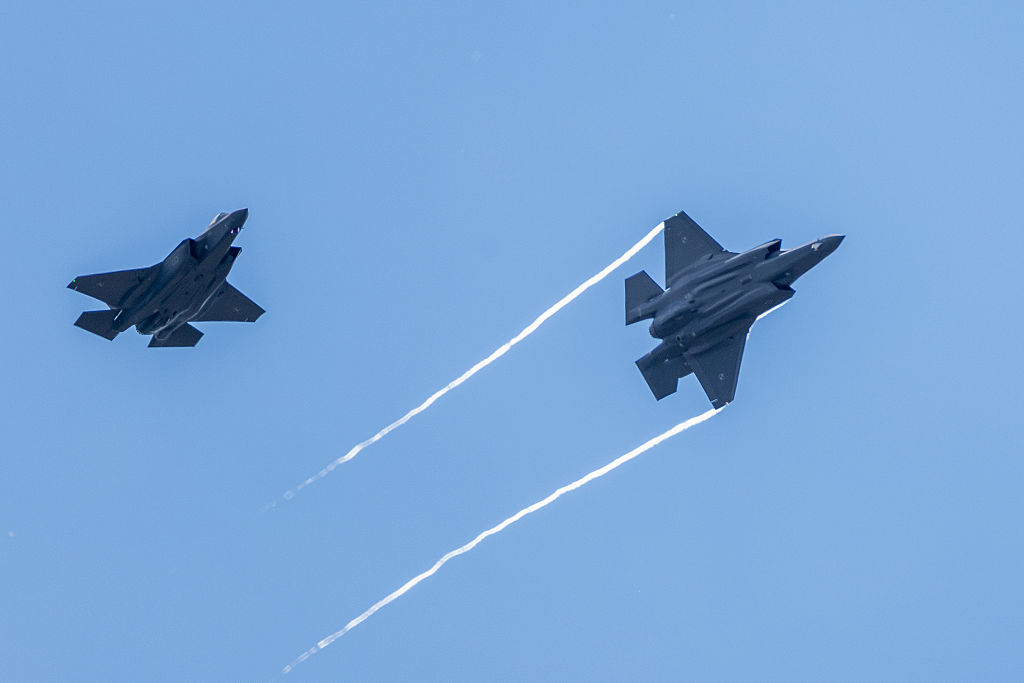
Ankara’s exit from the F-35 program in 2019 marked a significant shift in military partnerships and defense strategies. This decision stemmed from the complex geopolitical landscape surrounding Turkey, the United States, and NATO alliances. Understanding the implications of this move is essential for examining contemporary defense dynamics.
The Consequences of Turkey’s Withdrawal from the F-35 Program
The removal of Turkey from the F-35 program had far-reaching consequences for both Ankara and its NATO allies. Initially, Turkey was set to be a key partner in this cutting-edge defense initiative, contributing not just financially but also through its involvement in the production of various components. However, due to Turkey’s acquisition of Russia’s S-400 missile defense system, the U.S. government deemed this action a threat to the security of the F-35 aircraft. Consequently, Turkey was suspended from the program, which forced Ankara to reevaluate its military procurement and defense collaborations.
The withdrawal has led Turkey to seek alternative defense solutions outside of the traditional Western sphere. This pivot has necessitated a closer relationship with other nations, particularly in the realm of military technology and procurement. For example, Turkey has intensified its focus on developing indigenous defense capabilities, aiming to reduce dependency on foreign equipment. Such efforts are geared toward fostering self-sufficiency in arms production and ensuring that Turkey can meet its own defense needs effectively.
The Impact on Regional Security Dynamics
Turkey’s exit from the F-35 program has also altered the regional security landscape. The geopolitical tensions between Turkey and Greece, among other countries in the Eastern Mediterranean, have escalated, raising concerns about military capacity and readiness. The absence of the F-35 in Turkey’s arsenal diminishes its technological edge in contested airspace, potentially leading to an imbalance in regional power dynamics. This development has reinforced Turkey’s urgency to expedite its other military projects and forge international partnerships that can offer comparable capabilities.
Additionally, with its increased reliance on advanced military technologies from non-NATO allies, Turkey is reshaping its defense doctrine. This transition could provoke further complications within NATO as member nations reassess their strategic partnerships. The alliance’s unity is tested not only by Turkey’s actions but also by other member states’ responses to changes in the regional security environment.
The Future of Turkey’s Defense Strategy
Looking ahead, Turkey’s defense strategy will likely continue evolving in the wake of its F-35 withdrawal. Emphasizing indigenous development and diversification of military partnerships could become a hallmark of Turkey’s approach in the upcoming years. The drive to create homegrown military platforms, including drones and other advanced weaponry, will play a critical role in enhancing Turkey’s defense capabilities.
Ankara’s pivot toward non-Western military partners will also have extensive implications for its foreign policy. As relations with traditional allies become strained, Turkey may seek to strengthen ties with countries like Russia, China, and others within emerging economies. Building a diverse range of defense relationships could provide Turkey with leverage in international negotiations, although it may also complicate its alignment with NATO over the long term.
In summary, Turkey’s removal from the F-35 program is more than just a logistical change; it represents a broader transformation in its defense posture and alliances. The reverberations of this decision will shape not only Turkey’s military capabilities but also its regional relationships and global standing for years to come. The complexities of military procurement underscore the intricate balancing act Turkey must perform as it navigates between maintaining its sovereignty and managing its crucial defense alliances.