
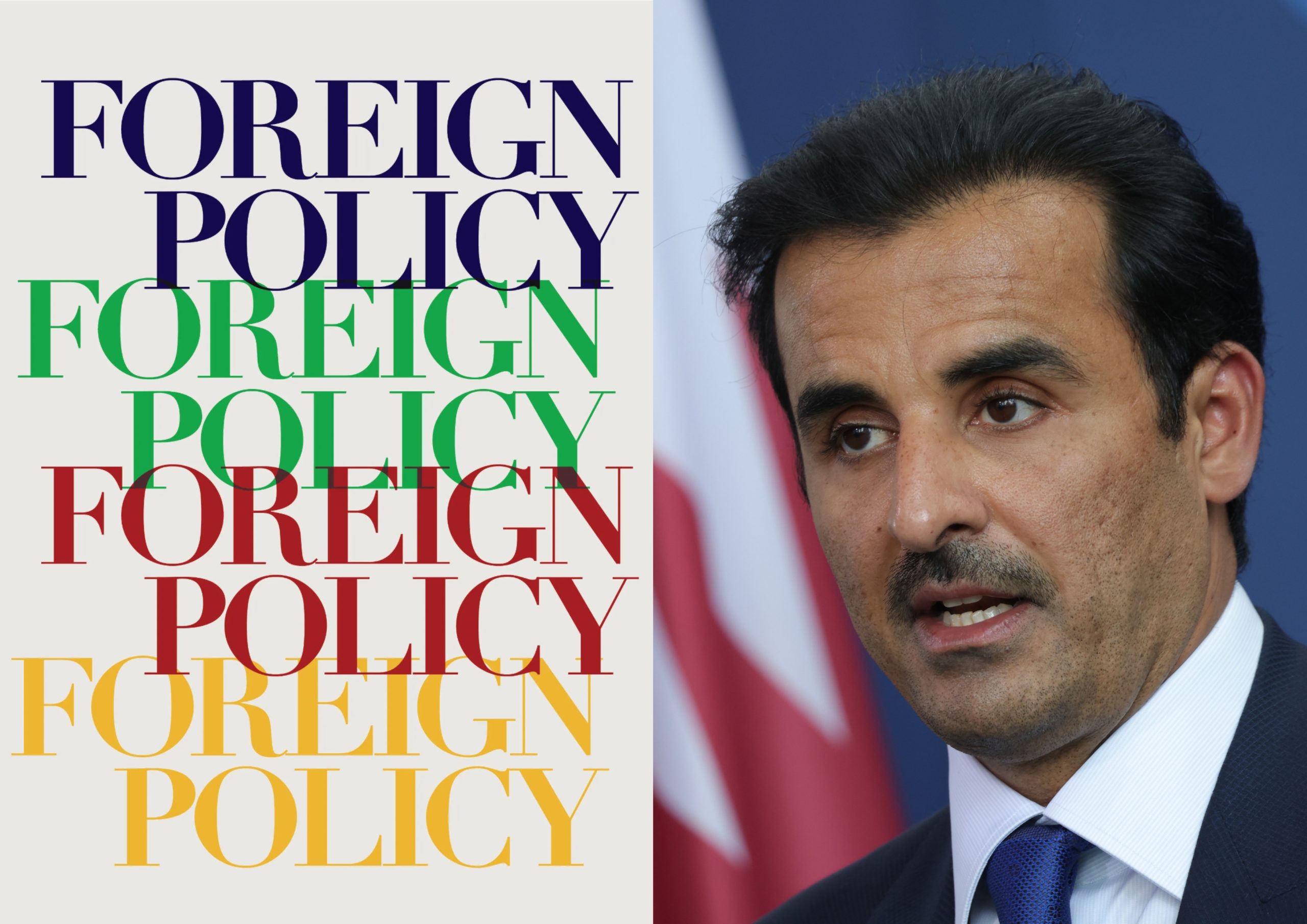
In today’s interconnected world, the influence of foreign governments on media outlets raises concerns about objectivity and trustworthiness. Recent investigative findings have suggested that Foreign Policy, a prominent magazine based in Washington, D.C., has financial affiliations with the State of Qatar. This relationship prompts questions regarding its editorial stance on critical issues like the Iran conflict and Israeli actions in Gaza.
Financial Ties to Qatar
Foreign Policy identifies itself as “the global magazine of news and ideas” and serves as an official partner of the Doha Forum, an event organized annually by Qatar’s Ministry of Foreign Affairs. The magazine collaborates on podcasts and events, highlighting Qatar’s significant investments in shaping international discourse. Notably, Foreign Policy has engaged in producing the “Doha Debates” series and was involved in a high-level panel at the World Economic Forum, which aims to position Qatar as a key player in global discussions.
The financial connections between Foreign Policy and Qatar raise alarms about potential bias in the magazine’s reporting. This concern is intensified by its publication of articles that align closely with Qatari perspectives, particularly on issues involving Israel and Iran. Critics argue that the magazine’s narratives echo Qatar’s agenda, portraying Israel in a particularly unfavorable light while opposing U.S. military actions in the region.
Content and Editorial Slant
The magazine’s editorial output includes articles that use provocative language, labeling Israeli actions as “genocide” and criticizing former President Donald Trump’s diplomatic strategies. Articles highlight the assertion that Trump’s policies have fostered a nuclear arms race in the Middle East while sidelining Hamas’s role in negotiations. Furthermore, Foreign Policy has promoted content highlighting the views of liberal politicians like Rep. Alexandria Ocasio-Cortez, who has expressed opposition to traditional U.S. ally Israel.
This pattern of content curation raises critical questions about Foreign Policy‘s editorial independence. The magazine has invested in social media promotion for pieces that align with Qatar’s views, which some observers interpret as an attempt to shape public perception on contentious geopolitical issues. Such practices prompt skepticism about whether the magazine is truly committed to impartial reporting or if it is instead serving as a mouthpiece for Qatari interests.
Strategic Influence in American Discourse
Qatar’s engagement with American media and educational institutions is well-documented. The nation has utilized its rich resources to strategically influence perceptions within these arenas, vying to steer discourse in ways that align with its national interests. The Doha Debates, which receive funding from the Qatar Foundation, exemplify this strategy by facilitating discussions that may downplay or obscure the threats posed by Islamist groups.
Furthermore, the problematic intertwining of Qatari funding and academic discussions has been a focal point of concern, as seen in research highlighting the influence on prestigious universities like Georgetown. Here, external funding has reportedly fostered an environment that minimizes the risk of Islamist extremism while perpetuating anti-Israel narratives. This complex landscape complicates the role journalists must navigate, particularly as they grapple with influences that seek to bias reporting on sensitive international matters.
In conclusion, the financial connections between Foreign Policy and the State of Qatar underscore the broader implications of foreign influence on American media. The magazine’s coverage of contentious issues, particularly in relation to Iran and Israel, demonstrates potential bias that calls its journalistic integrity into question. As Qatar continues leveraging its resources to advance its interests, discerning readers must remain vigilant in critically assessing the narratives presented by prominent media outlets.