
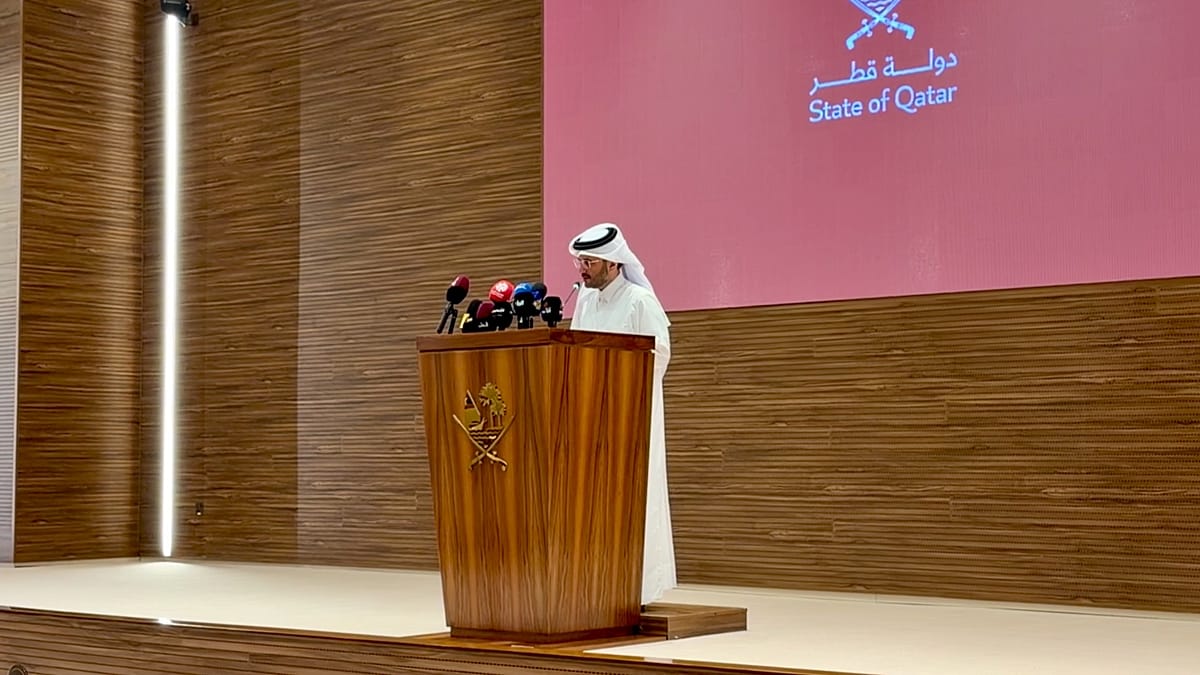
Efforts toward a peaceful resolution between the United States and Iran are reportedly gaining traction, with Qatar taking a mediating role alongside Oman and Pakistan. These discussions aim to avert further tensions and reignite direct negotiations, with potential draft proposals being shared among the involved parties.
Diplomatic Initiatives from Qatar
Qatar’s Foreign Ministry spokesperson, Dr. Majed Al Ansari, revealed on Tuesday that their country is actively facilitating dialogue between Washington and Tehran. Speaking from Doha, Al Ansari emphasized the collaborative efforts across the region. “The whole region is now working together,” he stated, aiming to prevent any escalation and restore diplomatic relations. The ongoing negotiations, though not directly involving US and Iranian officials, are seen as essential in steering toward a peaceful resolution.
Despite contrasting claims from both Washington and Tehran regarding the nature of the talks, Al Ansari expressed optimism about their progress. He indicated that while there are no confirmed direct discussions set, mediators continue to relay ideas between the two nations. The Qatari spokesman noted, “We can confirm that the efforts are still ongoing with all the parties.” This statement follows US President Donald Trump’s characterization of the situation as Iran’s “last chance” to engage in talks before potential military action.
Key Focus: Freedom of Navigation in the Strait of Hormuz
A primary goal of these efforts is to establish a short-term agreement to reopen the strategically important Strait of Hormuz and facilitate uninterrupted maritime traffic. Al Ansari underscored the necessity of avoiding escalation in the region and remarked on the disruptive effects currently faced by shipping due to existing tensions. He stated, “Our focus right now is on avoiding escalation, reopening the strait and reopening the door for diplomacy between the parties.”
Restoring freedom of navigation is crucial, especially after reports of attacks on commercial vessels have emerged, raising fears about further destabilization. Al Ansari rejected any notion of using the Strait of Hormuz as leverage for political gains, expressing a desire for all parties to respect international law in any future management of the waterway.
Qatar’s Broader Diplomatic Goals
In addition to its efforts related to the US-Iran discussions, Qatar’s Al Ansari urged the international community to exert pressure on Israel regarding the Gaza roadmap. Asserting that Hamas and other Palestinian factions have adhered to their commitments, he expressed expectations for Israel to reciprocate. This roadmap aims to pave the way for rebuilding Gaza in the aftermath of extensive conflict.
Al Ansari emphasized, “We implore the international community to put the right pressure on Israel to implement the plan,” calling for Israel to withdraw from occupied territories. He argued that full adherence to the roadmap could significantly contribute to peace in the region and alleviate the humanitarian crisis that has plagued Gaza for years.
In summary, Qatar’s diplomatic efforts are focused on preventing further regional conflicts and establishing a framework for dialogue between conflicting parties. Coordinated efforts involving Oman and Pakistan aim to revitalize discussions about navigation rights in the Strait of Hormuz, while also advocating for a resolution in the ongoing Israeli-Palestinian conflict. As these diplomatic strategies unfold, the potential for a more stable and peaceful Middle East remains a shared aspiration.