
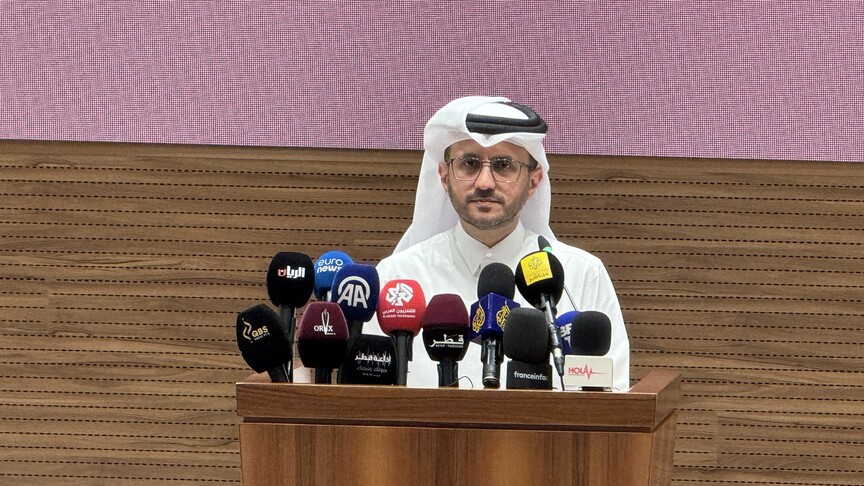
Qatar has firmly dismissed the accusations made by Israeli Prime Minister Benjamin Netanyahu, who claimed that the Middle Eastern nation is orchestrating a campaign to sway public opinion against Israel. This statement marks a significant response from Qatar, emphasizing that Netanyahu’s assertions are mere distractions from Israel’s own actions in the occupied Palestinian territories.
Qatar’s Strong Rebuttal
The spokesperson for Qatar’s Foreign Ministry, Majed al-Ansari, categorically rejected the allegations made during Netanyahu’s address at the UN General Assembly. Al-Ansari stated, “This continuing rhetoric against Qatar is nothing more than an attempt to divert attention from the atrocities committed by his government in the occupied Palestinian territories and their grave humanitarian consequences.” This response highlights Qatar’s stance on the matter, reiterating that such claims are an evasion of Israel’s responsibilities.
The Impact of Public Perception
Al-Ansari also countered the notion that the recent surge in criticism directed at Israel, particularly among younger demographics across the globe, is the result of organized campaigns. He argued that attributing this rise in sentiment to external influence is an insult to the awareness and critical thinking of today’s youth. According to al-Ansari, individuals are forming their opinions based on the immediate realities they witness in the region, rather than being swayed by fabricated influence campaigns.
Calls for Policy Change
Addressing Netanyahu and other Israeli politicians, al-Ansari urged them to reconsider their approach if they wish to alter international perceptions of Israel. Instead of blaming Qatar or other external entities, he advised focusing on the policies and actions of the Israeli government itself. “Attempts to hold Qatar, or anyone else, responsible for a global shift in public opinion shaped by what people themselves are witnessing are no longer persuasive,” al-Ansari stated. This sentiment emphasizes the need for genuine change from within Israel, as opposed to deflecting blame onto external actors.
Conclusion: The Need for Accountability
In conclusion, Qatar’s response to Netanyahu’s allegations underscores a recurring theme in international relations: the necessity for accountability and self-reflection. The call for Israel to respect international law and reflect on its actions illustrates a broader desire for constructive dialogue and policy reform. By addressing the root issues rather than externalizing blame, it is hoped that a path toward resolution can be forged, ultimately leading to improved relations and a safer environment for all parties involved.