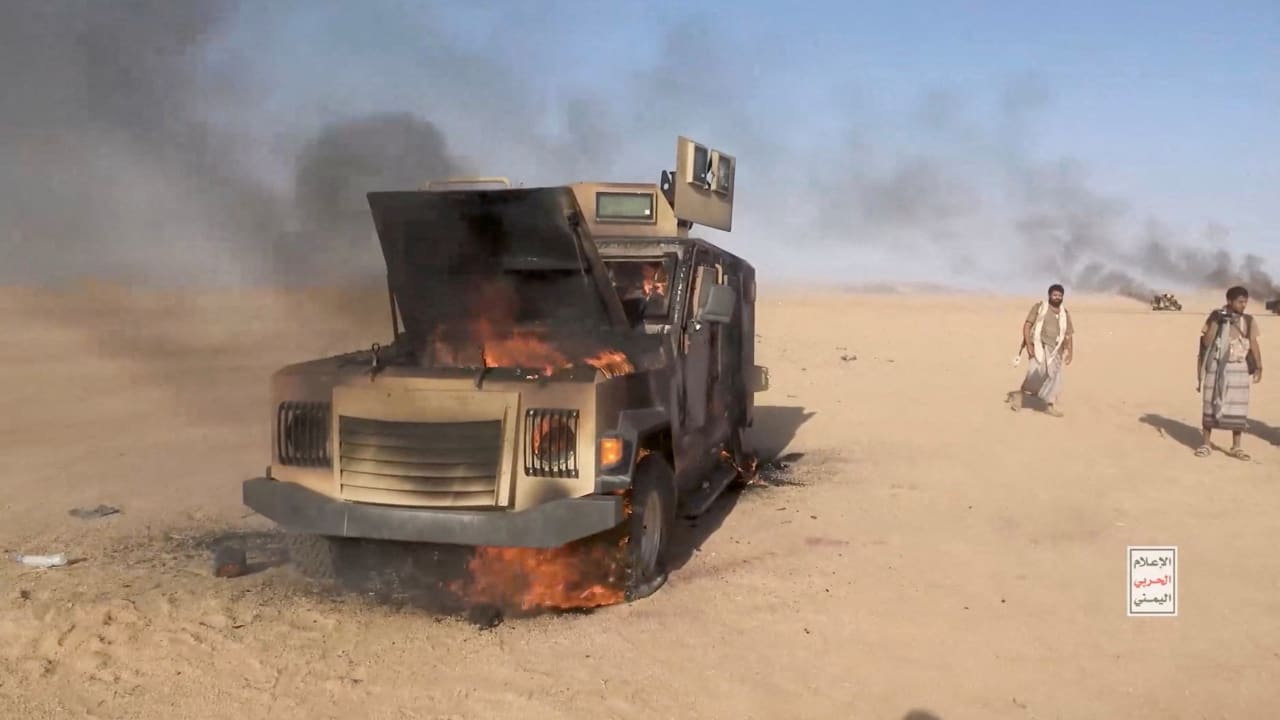
Saudi Arabia, Turkey, and Pakistan are convening a crucial high-level meeting under a joint defense agreement to address the escalation of attacks from Yemen’s Houthis. This urgent dialogue focuses on coordinating support for Saudi Arabia. Meanwhile, the Grand Mufti, the kingdom’s highest religious authority, has called on soldiers to be prepared to sacrifice their lives for the fight against their adversary, which is aligned with Iran.
### Houthi Attacks and Regional Tensions
Recently, the Houthis have intensified their offensive against the Saudi-backed Yemeni government, launching missiles and drones aimed at various targets within Saudi Arabia. These assaults have disrupted oil supplies from one of the world’s leading energy producers and escalated the ongoing conflict in the Middle East that intensified following U.S. and Israeli actions against Iran in February. Reports indicate that the Houthis have claimed responsibility for numerous attacks, while Saudi authorities state they intercepted some of these missiles, underscoring the heightened military tensions in the region.
Emergency alerts have been issued in critical areas including Mecca, Jeddah, and Yanbu, a significant Saudi port city on the Red Sea. This reflects the severity of the threat posed by the Houthis, actions which the Saudi leadership considers unacceptable as they directly endanger civilian lives and national security. The recent military posture, combined with calls from the Grand Mufti urging troops to prepare for battle, emphasizes the intensity of the situation.
### Joint Defense Agreement and Diplomatic Measures
In response to these escalating threats, the foreign ministers of Saudi Arabia, Turkey, and Pakistan convened under the framework of the Mecca Joint Defense Agreement. This agreement is designed to provide collective security among the nations involved, reaffirming that an attack against one member is regarded as an attack against all. During this meeting, the ministers condemned the attacks targeting civilian areas and expressed their commitment to support Saudi Arabia in its defensive measures.
The ministers also deliberated on the organization of a swift meeting among military chiefs to explore further collaborative strategies aimed at supporting Saudi Arabia. This reflects a commitment to strengthen regional partnerships in the face of common threats, particularly from Iran and its proxies.
### Iran’s Relationship with the Houthis
Adding complexity to the situation, Iranian President Masoud Pezeshkian attempted to distance Iran from the Houthis during a recent American television interview. He attributed the responsibility for the group’s actions solely to them, suggesting that Iran plays a less direct role than often assumed. However, Iranian officials maintain that support for the Houthis is part of their broader strategy in the region, leading to normative questions about Iran’s influence over the group.
This discussion surfaces amid ongoing U.S.-Iran tensions as each party reassesses its diplomatic stances. Reports indicate that Iran has proposed various approaches to the U.S. relating to regional conflicts, including proposals for a ceasefire and discussions on issues such as Iran’s nuclear capabilities.
### Broader Implications on Oil and Global Markets
The war has inflicted significant casualties and has seriously disrupted global energy supplies. The flow of oil through critical channels like the Strait of Hormuz, through which a substantial portion of the world’s oil is transported, has been particularly affected as Iranian proxies engage in activities that limit tanker traffic. The rise in regional hostility has rattled oil markets, prompting fluctuations in prices as uncertainty looms over potential truce announcements.
As the geopolitical dance continues, security experts ponder the direct influence of Iran over the Houthis. Some analyses suggest Tehran provides tactical support, while others argue the extent of Iran’s control is more nuanced, driven by local dynamics and the Houthi agenda.
In summary, the confluence of military readiness, regional alliances, and geopolitical negotiations plays a crucial role in shaping the future of Middle Eastern stability, thereby influencing global economic landscapes prominently defined by oil production.