
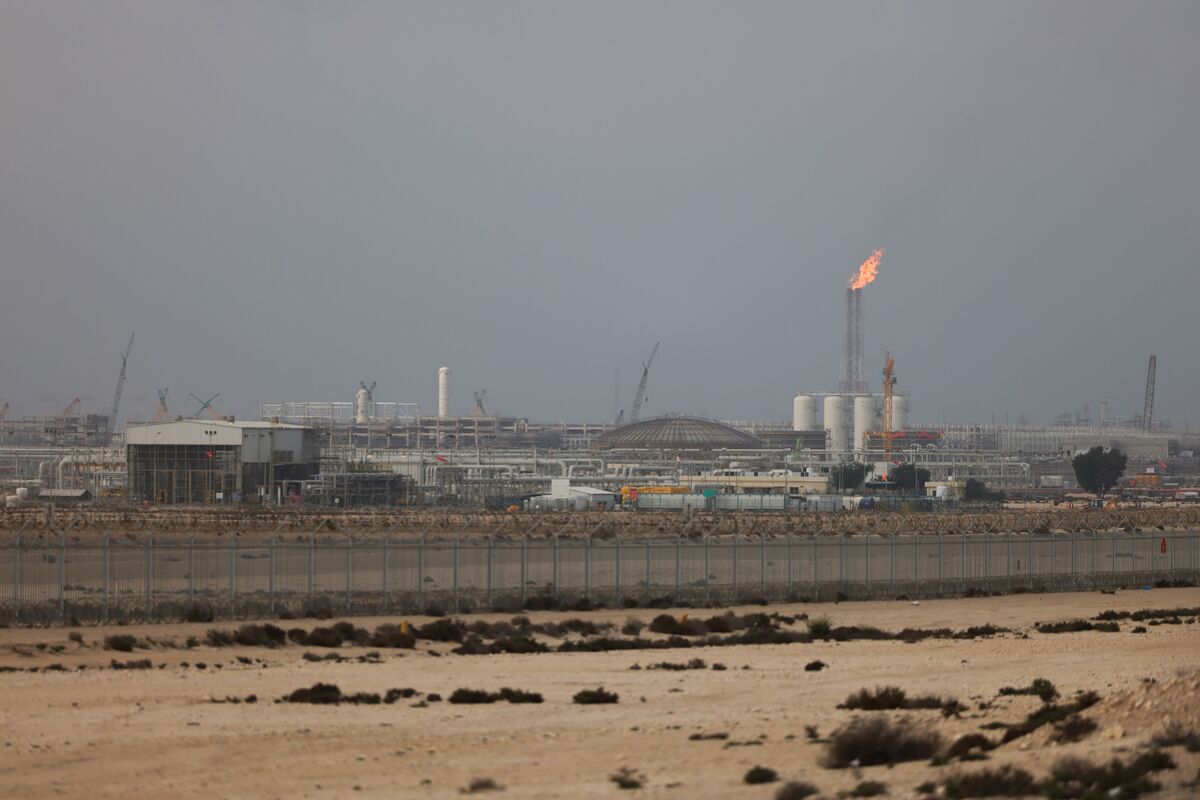
Qatar is halting its plans to swiftly increase output at its liquefied natural gas (LNG) facility following a recent attack on one of its tankers in the Strait of Hormuz. This incident has heightened concerns about the safety of shipping routes in this vital passageway.
Impact on LNG Production Plans
The world’s largest LNG facility, located in Qatar, has been central to the country’s energy strategy. However, the attack on the tanker has created significant doubts about the security of maritime transportation in the region. As a result, Qatar is prioritizing the safety of its operations and is taking a step back from its aggressive plans to ramp up production. The decision reflects a cautious approach towards ensuring the continuity of LNG supply amidst geopolitical tensions that threaten the industry’s stability.
Concerns Over Maritime Security
The Strait of Hormuz is a crucial chokepoint for global oil and gas shipments, and any disruptions in this area can have far-reaching implications for energy markets worldwide. The recent assault not only raises concerns about the safety of ships navigating this route but also affects the logistics and pricing of LNG, a key commodity in international trade. Qatar’s reassessment of its production timeline underscores the broader anxieties in the industry regarding the risk of similar incidents in the future, which could further impede trade flows.
Market Reactions and Future Projections
Following the attack, market participants are reacting cautiously, with some predicting fluctuations in LNG prices as supply chains adjust. The uncertainty surrounding the Strait of Hormuz has led to discussions about alternative supply routes and the potential for increased shipping costs. Analysts are now closely monitoring the geopolitical landscape, as developments in this region could significantly influence Qatar’s output and the overall dynamics of the global LNG market.
Strategic Considerations for Qatar’s Energy Sector
As Qatar navigates this challenging landscape, the focus will be on enhancing security measures for its maritime operations and assessing the long-term implications of such threats. This situation compels Qatar to reinforce its strategic alliances and to consider diversifying its export routes to mitigate risks. While the immediate halt in production efforts may seem like a setback, it serves as a reminder of the complexities facing energy-producing nations in unstable regions.
In conclusion, Qatar’s pause on increasing LNG production highlights the intricate relationship between global security and energy supply. As the country assesses the ongoing risks associated with maritime transit in the Strait of Hormuz, its decisions will likely reverberate throughout the international energy markets, affecting both supply and pricing in the months to come.