
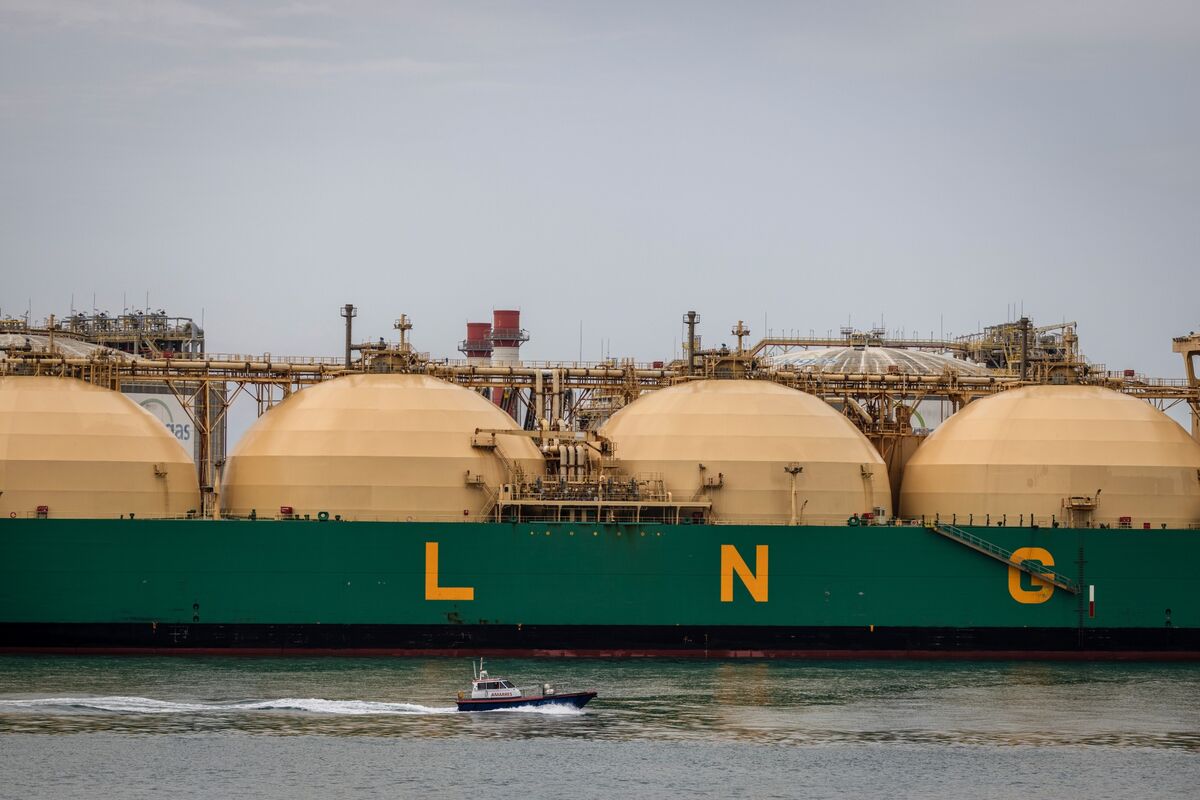
Qatar is poised to increase its liquefied natural gas (LNG) exports, as it begins to reposition its tankers back to the Middle East. This strategic move comes in light of anticipated geopolitical changes following a potential agreement between the U.S. and Iran, which could see the Strait of Hormuz reopening.
The Importance of the Strait of Hormuz for LNG Exports
The Strait of Hormuz is a critical maritime chokepoint, facilitating a significant portion of global oil and gas shipments, including LNG from Qatar. Should the strait reopen, it would enhance Qatar’s ability to boost exports and fulfill its growing demand in various international markets. With tensions in the region affecting energy supply routes, a stable and secure Strait of Hormuz is crucial for Qatar’s energy strategy. This has led Qatar to strategically prepare its fleet for increased shipping capacity.
Qatar’s Role in Global Energy Markets
As one of the world’s leading suppliers of LNG, Qatar plays a vital role in meeting global energy demands. The nation has invested heavily in its natural gas infrastructure, enabling it to ramp up production and export capacity effectively. The expected reopening of the Strait of Hormuz aligns with Qatar’s plans to strengthen its position within the energy market further. By positioning its tankers for efficient transit, Qatar aims to capitalize on rising LNG demand, particularly in Asia and Europe, where countries are looking to diversify from more traditional energy sources.
The Impact of Geopolitical Developments
Recent diplomatic efforts aimed at easing tensions between the U.S. and Iran could significantly influence energy markets. If these discussions lead to a successful agreement and the Strait of Hormuz remains open, it will not only benefit Qatar but also stabilize energy prices in the region. The anticipation of this deal may spur increased investments in Qatari LNG infrastructure and create opportunities for expansion in global markets. Such developments could enhance not only Qatar’s economic stability but also its energy diplomacy in a volatile landscape.
Looking Ahead: Future Export Strategies
In preparation for a potential surge in exports, Qatar is reevaluating its shipping logistics and partnerships. As it gears up to increase its LNG output, the country is likely to strengthen its relationships with key consumers. Building strong trade partnerships will be vital in ensuring long-term contracts that can withstand market fluctuations. Qatar’s energy strategy will involve adopting innovative technologies to enhance LNG production efficiency and maintaining its reputation as a reliable supplier amid changing geopolitical dynamics.
In conclusion, Qatar’s return of LNG tankers to the Middle East signals an optimistic outlook for the nation’s energy exports. With the prospect of the Strait of Hormuz reopening, Qatar is strategically positioning itself to meet the increasing global demand for natural gas. As geopolitical tensions ease, the future seems promising for this vital energy supplier.