
As tensions continue to escalate in the Middle East, Qatar and Pakistan are playing pivotal roles in facilitating dialogue between the United States and Iran. Both nations are engaging in daily discussions to explore pathways to resume negotiations and mend the strained relations exacerbated by ongoing conflicts.
Daily Efforts for Diplomatic Solutions
Majed Al-Ansari, spokesperson for Qatar’s Foreign Ministry, confirmed that officials from Qatar and Pakistan are actively involved in talks aimed at generating ideas for restarting dialogues. He emphasized the urgency of these negotiations as the only permissible route to resolve the escalating crisis. The situation calls for full engagement from both the U.S. and Iran, as Qatar and Pakistan take on the responsibilities of regional mediators since the onset of hostilities late last February.
While specific proposals were not disclosed, Al-Ansari underscored Qatar’s commitment to a diplomatic resolution. The ministers are advocating for a return to constructive discussions led by regional stakeholders, intending to create a more favorable diplomatic landscape. The role of Pakistan’s army chief, Field Marshal Asim Munir, in his recent visit to Tehran highlights Pakistan’s dedication to mitigating regional tensions.
The complexity of the situation is further highlighted by new U.S. sanctions against Iran, termed “Operation Economic Outcast.” Tehran has resolutely opposed these measures, while reports from Pakistan maintain that discussions in Tehran have yielded “significant progress.” Al-Ansari remarked that these unilateral sanctions raise questions that must be directed to the nations implementing them and are not beneficial towards any resolution.
Urgency for Navigational Freedom
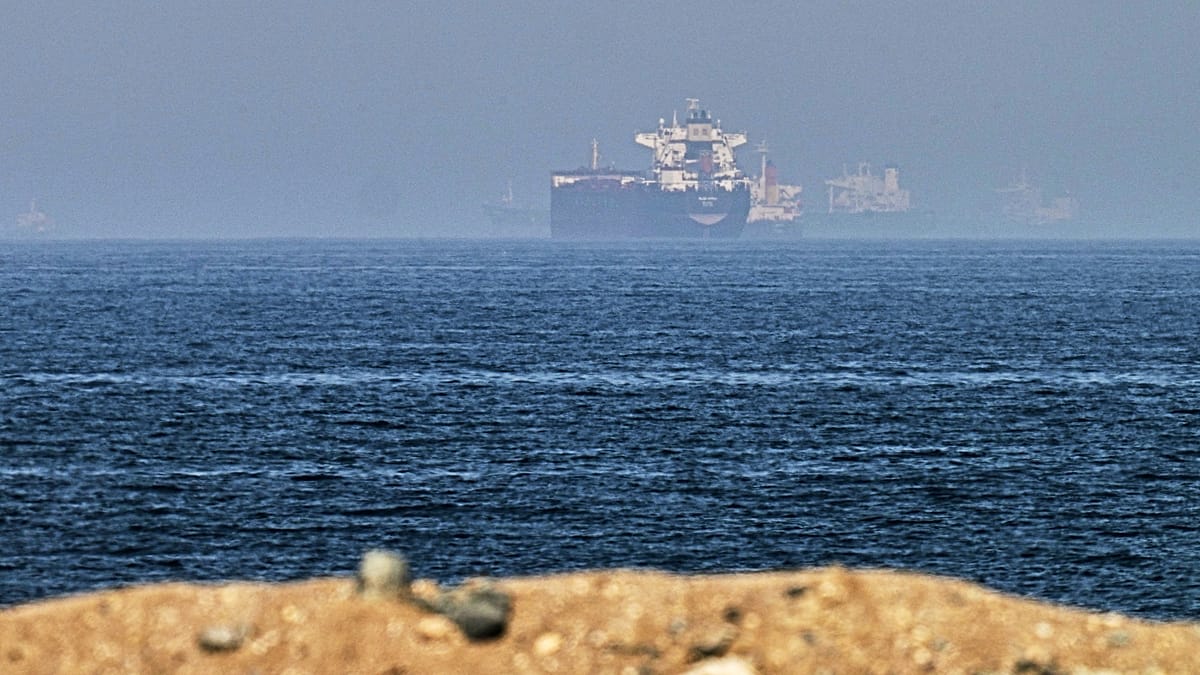
Alongside diplomatic endeavours, Al-Ansari voiced Qatar’s urgent call for the reopening of the Strait of Hormuz, a crucial maritime route for global energy supply. The strait’s closure has had a severe impact on shipping and has delayed energy deliveries, further stressing global markets. Al-Ansari articulated that the situation requires immediate attention to restore freedom of navigation to pre-war conditions.
He firmly rejected the notion of Qatar pursuing a separate agreement with Iran for secure passage, emphasizing that the problem is regional and necessitates a collective solution. The Strait of Hormuz’s importance to Qatar, as one of the leading exporters of liquefied natural gas, cannot be overstated. Any disruption in this vital passage translates directly into complications for global energy supply chains.
Al-Ansari reiterated Qatar’s preference for a regional dialogue, which would allow for collective negotiations rather than unilateral agreements. He believes that restoring navigational freedom in the Strait of Hormuz is paramount, both for local significance and international interests.
Conclusion: A Road Towards Peace
As Qatar and Pakistan diligently work towards fostering dialogue between the U.S. and Iran, their commitment to negotiation remains strong. The complexity of international relations in the region compels all parties involved to prioritize open discussions and collaborative solutions. With the reopening of the Strait of Hormuz and a return to diplomatic engagement, there is potential for a more stable and peaceful Middle East. The ongoing dialogue reflects not just the urgency of the current situation but also the hope for a resolution that will benefit all stakeholders involved in this ongoing conflict.