
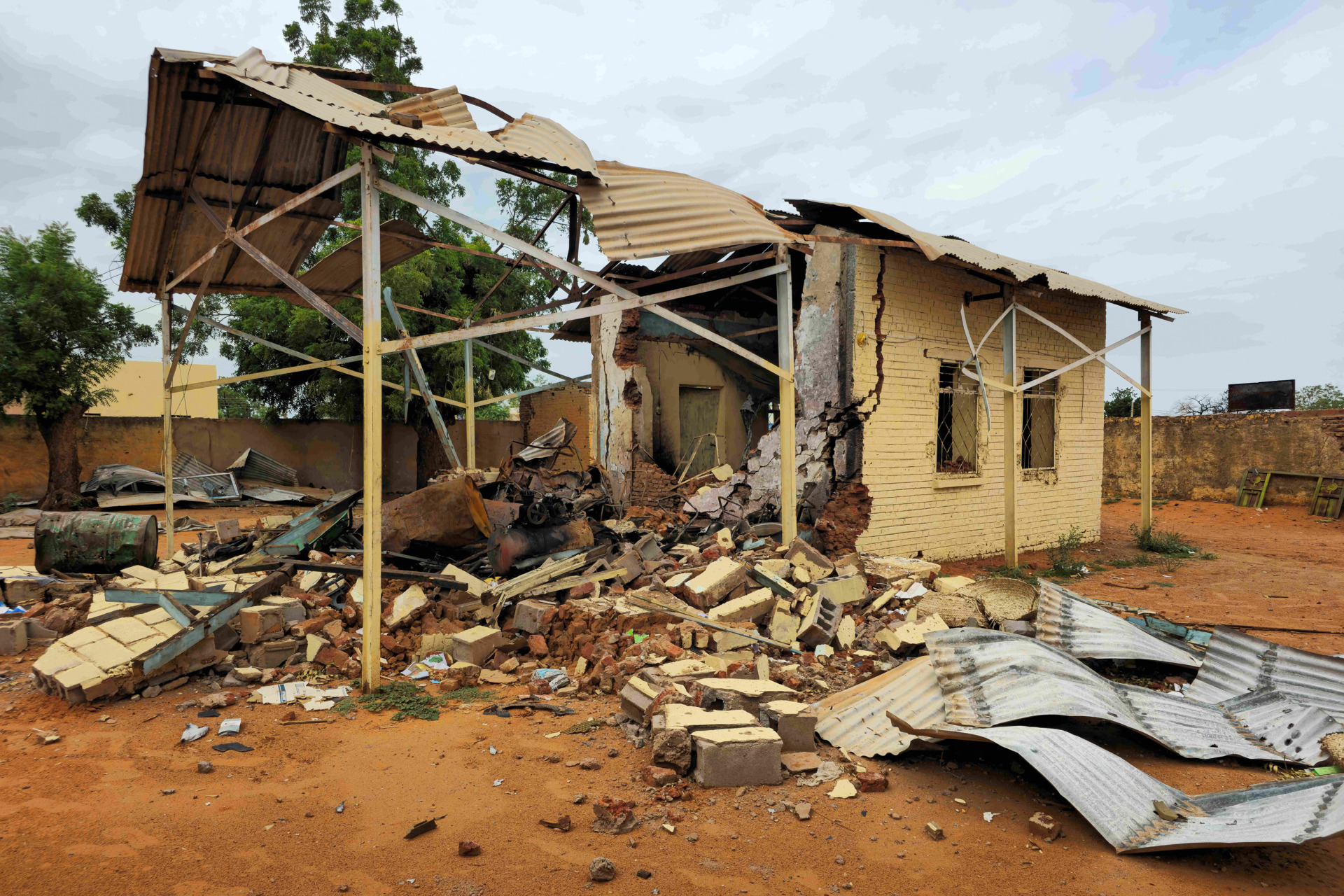
As the conflict in Sudan intensifies, civilians in El Obeid are bracing for a potential ground assault by the Rapid Support Forces (RSF). This paramilitary group has been embroiled in a brutal struggle against the Sudanese military that began in 2023. Recent escalations in the North Kordofan region have prompted dire warnings from both the United Nations and various nations regarding possible atrocities. The RSF’s previous actions in El Fasher, which included alarming reports of mass killings and targeted violence against non-Arab communities, add to the fears of an impending humanitarian disaster.
International Involvement in Sudan’s Civil War
The civil strife in Sudan has not developed in isolation; it has been significantly influenced by international actors. Support for the Sudanese military comes from several countries, including Iran, Egypt, Qatar, and Saudi Arabia, while the RSF receives substantial military backing from the United Arab Emirates (UAE). The UAE’s involvement is extensive, providing advanced weaponry, including Chinese-made drones and Serbian thermobaric munitions. Additionally, Colombian private military contractors have reportedly played a critical role in the RSF’s military operations, raising questions about the complexities of international law and state accountability in connection to these private entities.
Understanding State Responsibility in International Law
Determining whether a state’s involvement in foreign military actions constitutes accountability under international law is complex. Key to this assessment is understanding state responsibility, as outlined in the International Law Commission’s Articles on State Responsibility (ASR). A state can be held responsible for wrongful acts if those acts are attributable to it. This involves evaluating whether the conduct in question is a result of state action or inaction, and whether it violates any binding international legal obligations. The challenge arises when dealing with the activities of private military contractors, such as those from Colombia, which complicate the attribution of conduct to a state like the UAE.
Assessing the RSF’s Relationship with the UAE
Sudan’s recent application to the International Court of Justice (ICJ) against the UAE argues that the RSF acts in a manner akin to a de facto organ of the UAE government, contingent on significant military and financial support. While the ICJ has determined it lacks jurisdiction to hear this case, the implications of Sudan’s claims warrant assessment. The definition of a de facto state organ necessitates an examination of the level of control and dependency between the RSF and the UAE. Historical precedents suggest that simple military assistance does not rise to the threshold of effective control necessary to attribute actions of the RSF to the UAE.
Colombian Contractors and Their Legal Attribution
The involvement of Colombian military contractors provides additional layers of legal complexity. While allegations of their direct participation in violent acts, including drone strikes and training child soldiers, raise serious concerns under international law, attributing their conduct to the UAE is fraught with challenges. Article 8 of the ASR allows for attribution if actions are performed under a state’s instruction or control; however, evidence supporting such a relationship remains largely circumstantial. Alternatively, Article 5 could apply if it is established that these contractors acted under the UAE’s authorization to perform governmental functions, complicating the legal landscape further.
In conclusion, the civil war in Sudan, especially the anticipated escalations in El Obeid, demands urgent international attention. As nations grapple with the implications of their support for involved factions, particularly the UAE’s backing of the RSF and its possible violations of international law, there is pressing need for states to vocalize their condemnation and enact measures aimed at preventing further humanitarian crises. Updated legal analyses, including potential accountability measures, will be critical in addressing these escalating violations in Sudan.