
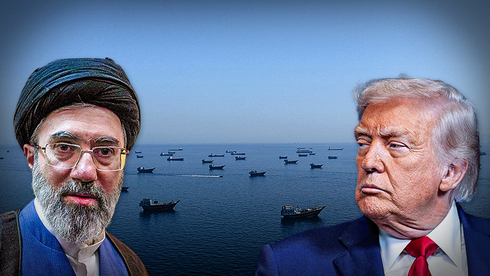
CNN reported that a delegation from Qatar, working closely with the United States, recently arrived in Tehran to finalize a memorandum of understanding between Washington and Tehran. The plan involves conducting a digital signing process to avert any potential last-minute complications. In an interesting twist, while former President Donald Trump suggested that Vice President JD Vance would physically attend the signing ceremony in Europe, Trump himself is scheduled to depart for a G7 summit in France the next day. It’s important to note that both the president and vice president typically do not travel at the same time, which raised concerns about logistical challenges.
Plans for Digital Signing
According to sources familiar with the situation, concerns over possible complications led to the decision to proceed with an electronic signing of the memorandum. The longer the agreement remains unsigned, the greater the risks of disruption or withdrawal from either side, as reported by CNN. This makes the urgency to finalize the agreement even more pronounced. However, Fars News Agency, affiliated with the Iranian state, indicated that Iran has not yet approved the memorandum and is still evaluating its political, legal, and technical ramifications.
Involvement of Various Players
Reports from the Saudi outlet Al Arabiya suggest that the signing meeting will include both Vice President Vance and Iranian parliamentary speaker Mohammad Bagher Ghalibaf. The meeting would reportedly also involve mediators from both Pakistan and Qatar. Should the agreement be finalized, the report claims that the Strait of Hormuz would reopen for passage without any associated fees. This strategic waterway is crucial for global oil transport, making any agreements regarding its status significant for international markets.
Potential Cybersecurity Issues and Legal Considerations
Recent reports confirm a cyberattack disrupted services at four major banks in Iran, although Iranian authorities maintain that no data was lost. This incident underscores the complexities surrounding the negotiations. Meanwhile, Iran’s Foreign Ministry has been cautious, stressing that a formal signing ceremony has yet to be confirmed, despite some reports indicating it would take place in Islamabad with virtual participation from relevant parties.
Furthermore, Esmail Baghaei, a spokesperson for Iran’s Ministry of Foreign Affairs, stated that under the proposed terms, Tehran would charge a fee for services provided in the Strait of Hormuz, a contentious point in talks with the U.S. Washington has resisted any attempts to implement tolls on this vital trade route, traditionally open to civilian and commercial vessels.
Future Negotiations and Nuclear Considerations
Despite various challenges and objections from Iranian officials, former President Trump has asserted that the signing will proceed and will establish a framework for subsequent negotiations that could last up to 60 days, specifically focusing on Iran’s nuclear program. The terms of the memorandum may not comprehensively resolve the nuclear disputes but are perceived as a pivotal step toward dialogue. Trump has promoted the agreement as a significant distinction from the 2015 nuclear deal, which he withdrew from in 2018, further implying it could mitigate the threats posed by Iran’s nuclear ambitions.
In the wake of Trump’s withdrawal from the 2015 agreement, Iran accelerated its uranium enrichment activities and is now widely believed to possess around 440 kilograms of uranium enriched to 60%, nearing the 90% enrichment required for nuclear weapons. This materials stockpile is reportedly stored under facilities that were targeted in the initial stages of what was termed “Operation Rising Lion,” underscoring the ongoing tensions in the region as talks unfold.