
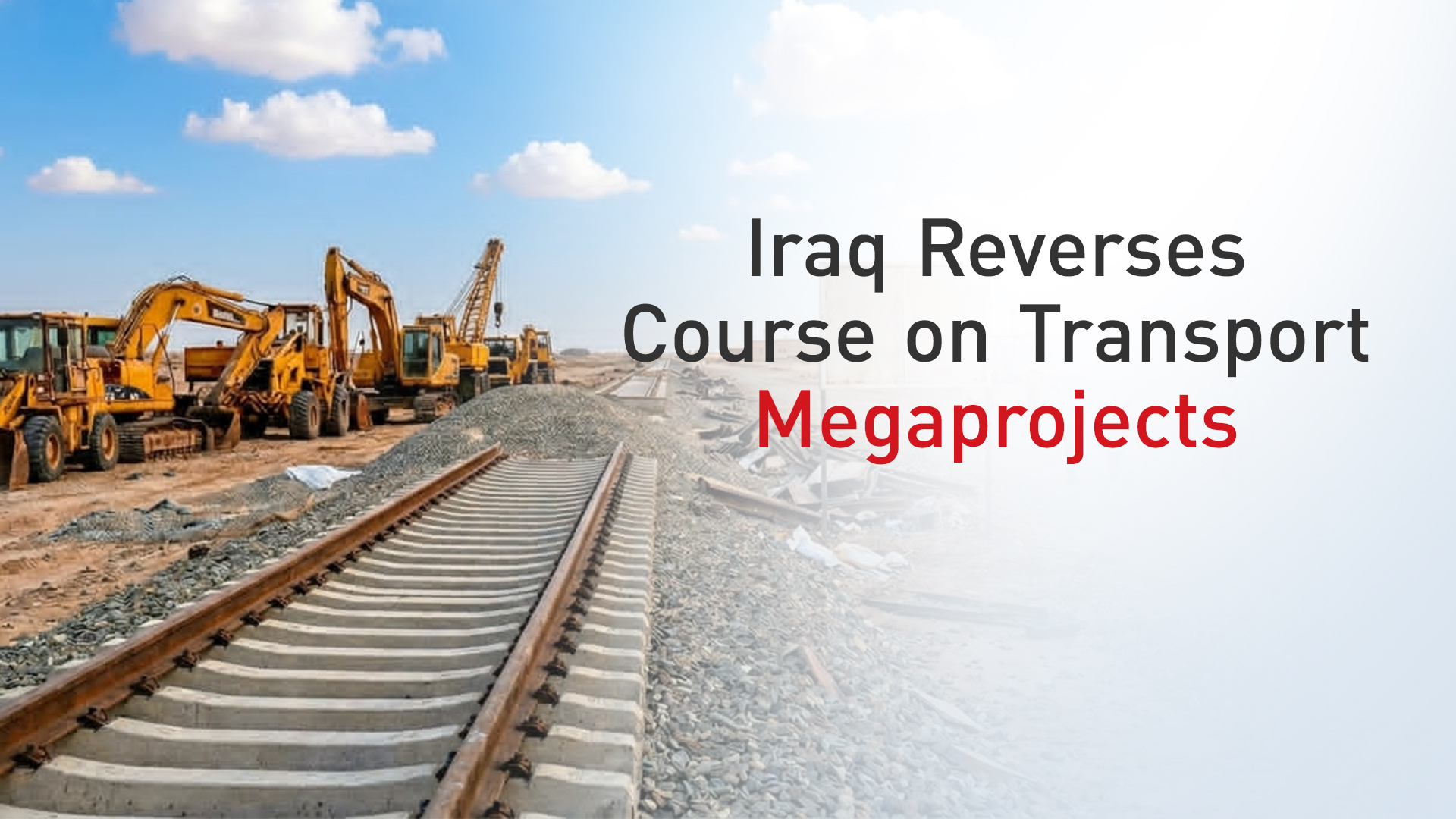
The recent decision by Iraq’s government to cancel two major infrastructure programs marks a significant shift in the country’s approach to economic development. The scrapping of a comprehensive railway expansion project and the redevelopment of Baghdad International Airport raises concerns about Iraq’s future growth prospects and its ability to attract foreign investment.
The Canceled Infrastructure Projects
Recently, Iraqi Communications Minister Mustafa Sanad announced the cancellation of a national railway expansion initiative and the much-anticipated redevelopment project for Baghdad International Airport. These multibillion-dollar projects were previously touted as essential components of Iraq’s path toward modernization and greater integration into the regional economy. Minister Sanad confirmed that Prime Minister Ali al-Zaidi and Transport Minister Wahab Hassani made these decisions in response to financial constraints, indicating a significant policy departure from the agenda set by former Prime Minister Mohammed Shia al-Sudani.
The railway project was shut down primarily due to its exorbitant costs, which the current government deemed unsustainable for the state budget. Meanwhile, the airport redevelopment, initially awarded to a consortium led by Corporación América Airports (CAAP), is now also on hold. This sudden halt instills uncertainty in the infrastructure sector, which increasingly affects investor confidence in Iraq’s long-term economic stability.
Implications for International Investments
The abrupt cancellation of these flagship projects poses serious questions regarding policy consistency in Iraq. Under the previous administration, these initiatives were seen as a significant step toward revitalizing the country’s infrastructure and improving its appeal to foreign investors. However, the new government’s withdrawal from these agreements raises concerns about its commitment to enhance Iraq’s economic landscape.
Foreign investors typically seek predictable and stable regulatory environments, and the sudden shift in priorities could discourage future investments. The cancellations also signify the government’s struggles with budget management and resource allocation, essential for long-term economic growth. As Iraq aims to modernize its infrastructure while moving away from oil dependency, the loss of these modernization efforts presents a troubling scenario for its economic ambitions.
The Future of Iraq’s Transportation Network
The cancellation of the national railway initiative holds vital implications for Iraq’s strategic role as a logistics hub connecting the Persian Gulf with Europe. The country’s railway network, which dates back to the Ottoman era, remains severely underdeveloped, primarily due to years of conflict and neglect. Currently, operational capacity is alarmingly low, with only a fraction of the rolling stock available for service.
Under the previous administration, Iraq aimed to revitalize its railway through an ambitious strategy known as the Iraq Development Road Initiative. This included plans to rehabilitate 1,047 kilometers of railway tracks and modernize operational systems with international funding. Now, the abandonment of these projects raises concerns about whether Iraq can establish itself as a key transit point for trade, diminishing its potential to enhance economic interconnectedness with its regional neighbors.
Shifting Economic Strategies and Risks
The cancellation of these major infrastructure projects reflects a broader realignment in economic management under Prime Minister al-Zaidi’s leadership. Recent strategic moves include changes in the electricity and fuel sectors and a suspension of wheat imports until domestic supplies are fully processed. While these shifts are aimed at fiscal prudence, they carry high stakes for Iraq’s credibility on the global stage.
By sidelining internationally supported initiatives, the Iraqi government risks losing the trust of foreign financial institutions. As the country strives to re-establish its infrastructure, these abrupt policy shifts leave a critical void in transportation planning. The primary concern is whether the withdrawal from these significant contracts jeopardizes Iraq’s overall development strategy and its ambitions for modernization, with time revealing the long-term consequences of these decisions.