
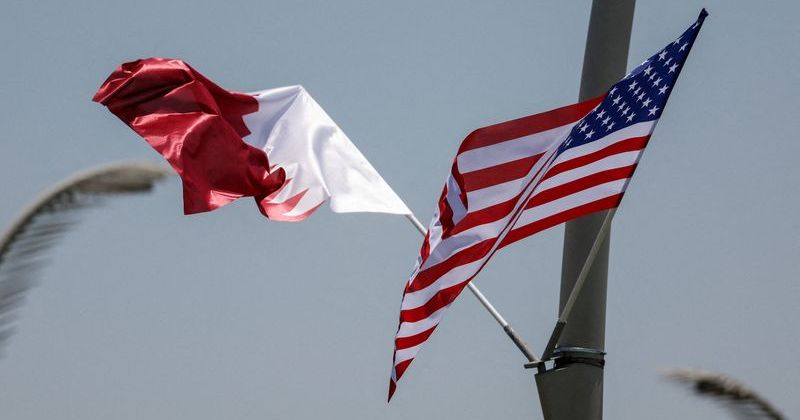
Recent developments in Middle Eastern diplomacy have reignited hopes for a potential agreement involving the United States and Iran. This increased activity follows extensive negotiations that included key players from countries like Pakistan, Qatar, Saudi Arabia, the UAE, Turkey, Egypt, Jordan, and Bahrain. These leaders are collectively urging Washington to embrace a deal that could prevent further escalation of tensions in the region.
### Diplomatic Efforts Amidst Regional Tensions
Former President Donald Trump recently announced through a Truth Social post that a deal involving the U.S., Iran, and several regional countries is in its final stages. He emphasized that discussions around the last remaining details are ongoing and are expected to be revealed soon. “The Strait of Hormuz will be opened,” he stated, reflecting optimism about the outcomes of talks that included multiple Middle Eastern leaders. Following a beneficial call with these leaders, Trump mentioned a Memorandum of Understanding aimed at fostering peace in the region.
The urgency for a resolution has been underscored by Iranian submissions of revised proposals to U.S. mediators via Pakistani officials. Reports suggest that a U.S. response is anticipated soon. During discussions, various leaders from Arab and Muslim nations conveyed a unified message: halt the ongoing war for the broader benefit of the region.
### Progress and Caution in Negotiations
In recent communications, a Pakistani military official indicated that significant progress has been made during negotiations led by Army Chief Asim Munir’s visit to Iran. He described the interim agreement as “fairly comprehensive” but advised caution, recognizing that until an agreement is formally concluded, uncertainty remains.
Iranian Foreign Ministry spokesman Esmail Baghaei expressed that the parties are nearing a 14-point memorandum to establish a temporary diplomatic framework. He noted that Iran’s primary aim at this juncture is to bring an end to hostilities. Following the signing, Iran and the U.S. would need approximately 30 to 60 days to finalize contentious issues, such as Iran’s nuclear program and sanctions relief. However, Baghaei emphasized the depth of existing differences, making it clear that significant hurdles still lay ahead.
### The Road Ahead: Optimism Tempered by Skepticism
Despite the seemingly hopeful indicators, skepticism persists among political factions in both Iran and the United States. Iranian parliament member Fada-Hossein Maleki criticized American actions that he believes are undermining the talks. He indicated that unrealistic reports by U.S. envoy Steve Witkoff have intensified sensitivities in Iran, complicating negotiations further.
Moreover, the Iranian state news agency warned that the talks could derail at any moment due to America’s rigid stance. Sources connected to the Iranian negotiating team emphasized that the U.S. must demonstrate flexibility for discussions to continue, particularly concerning crucial issues like frozen Iranian assets and maritime passage in the Strait of Hormuz.
### Public Sentiment: Pessimism and Concerns
Inside Iran, public sentiment reflects a deep-seated skepticism regarding the likelihood of a successful agreement. An online poll indicated that nearly 70% of respondents believed no agreement would materialize, and that conflict would resume. This pervasive distrust underscores the challenges and complexities facing diplomatic efforts.
Trump has left the military option on the table, suggesting a divided outcome could either involve a substantial agreement or a significantly escalated response from the U.S. “I think one of two things will happen: either I hit them harder than they have ever been hit, or we are going to sign a deal that is good,” he remarked, candidly highlighting the high stakes involved.
In conclusion, while recent diplomatic engagements show promise, they are fraught with challenges. The pathway to peace in the Middle East remains complex and uncertain, with multiple factors influencing the potential for a lasting agreement. As leaders continue to negotiate, the future of U.S.-Iran relations hangs in the balance, revealing the intricate web of diplomacy in a volatile region.