
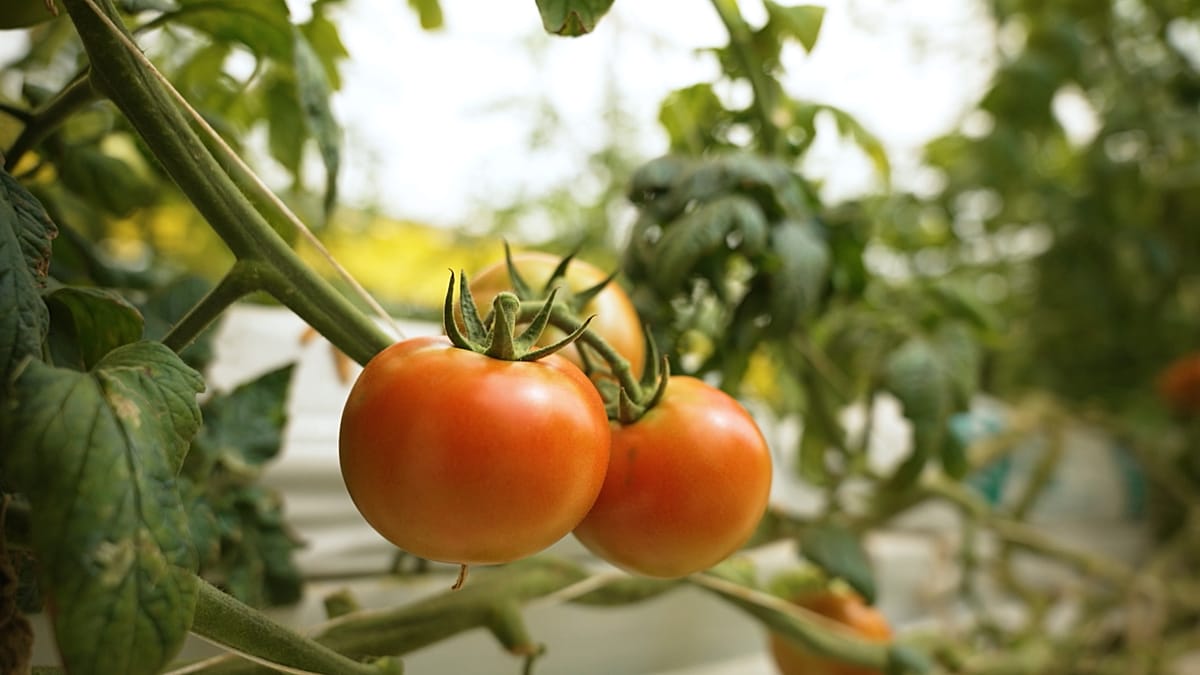
In the arid landscapes of Qatar, the quest for food security presents unique challenges. With an environment characterized more by sand than fertile soil, Qatar has had to innovate and adapt its agricultural strategies. This exploration into Qatar’s agricultural advancements underscores the nation’s commitment to transforming its desert into a viable food production hub.
Overcoming Environmental Challenges
Qatar’s climate is predominantly hot and dry, creating obstacles for traditional farming methods. Despite these conditions, the nation has employed cutting-edge technologies and practices to ensure a sustainable food supply. Hydroponics and aeroponics are at the forefront of this agricultural transformation. These soil-less cultivation methods allow farmers to grow crops using nutrients dissolved in water or air, dramatically conserving water and space. As a result, food can be produced efficiently, minimizing dependency on imports and enhancing local resilience to global supply chain disruptions.
Innovative Solutions in Agriculture
To bolster its food security, Qatar has launched a series of initiatives aimed at modernizing agriculture. Vertical farms, equipped with smart sensors and climate control systems, produce high-yield crops year-round while using considerably less water than traditional farming. These facilities not only increase output but also reduce the carbon footprint associated with transporting food from distant regions. Furthermore, investments in research and development have led to significant breakthroughs. Local universities and institutions actively collaborate on agricultural studies, experimenting with climate-resilient crops that thrive in harsh conditions.
Community Engagement and Education
An essential aspect of Qatar’s agricultural evolution involves engaging the local community. Educational programs aimed at teaching sustainable farming practices are becoming increasingly common. Workshops and training sessions empower citizens to participate in food production, making agriculture accessible and relevant. Additionally, incentivizing small-scale farmers encourages local food production, diversifying the types of crops grown and ensuring that the population can meet its dietary needs. Through these efforts, Qatar is not only advancing its food security but also fostering a culture of self-sufficiency among its people.
The Future of Agriculture in Qatar
Looking ahead, Qatar’s agricultural strategy is built on resilience and sustainability. By continuing to invest in technology, community involvement, and innovative practices, the country aims to mitigate the risks associated with climate change and food insecurity. The development of indoor farming facilities and research into genetically modified organisms could enhance productivity further. Ultimately, Qatar’s vision for agriculture is a blueprint that may inspire other nations facing similar environmental challenges, proving that with the right strategies, it is possible to cultivate growth—even in the desert.