
Qatar, a small yet economically powerful nation, has faced significant agricultural challenges due to its environmental constraints. With only 2% of its land suitable for farming, coupled with extreme temperatures and limited rainfall, the country has historically depended on food imports to sustain its population. However, the geopolitical blockade that began in 2017 prompted Qatar to rethink its food security strategy, leading to a push for self-sufficiency. Guided by the National Food Security Strategy for 2024–2030, Qatar is now redefining its agricultural landscape.
Shifting Toward Self-Sufficiency
The blockade served as a wake-up call for Qatar, revealing the vulnerabilities in its reliance on external food sources. As supply chains faltered, leaders recognized that ensuring a stable food supply was crucial not just for survival, but also for national security. This realization led to the formulation of a comprehensive plan aimed at achieving food self-sufficiency. The National Food Security Strategy outlines a roadmap that emphasizes robust agricultural practices, investment in technology, and the importance of local food production.
Innovative Agricultural Techniques
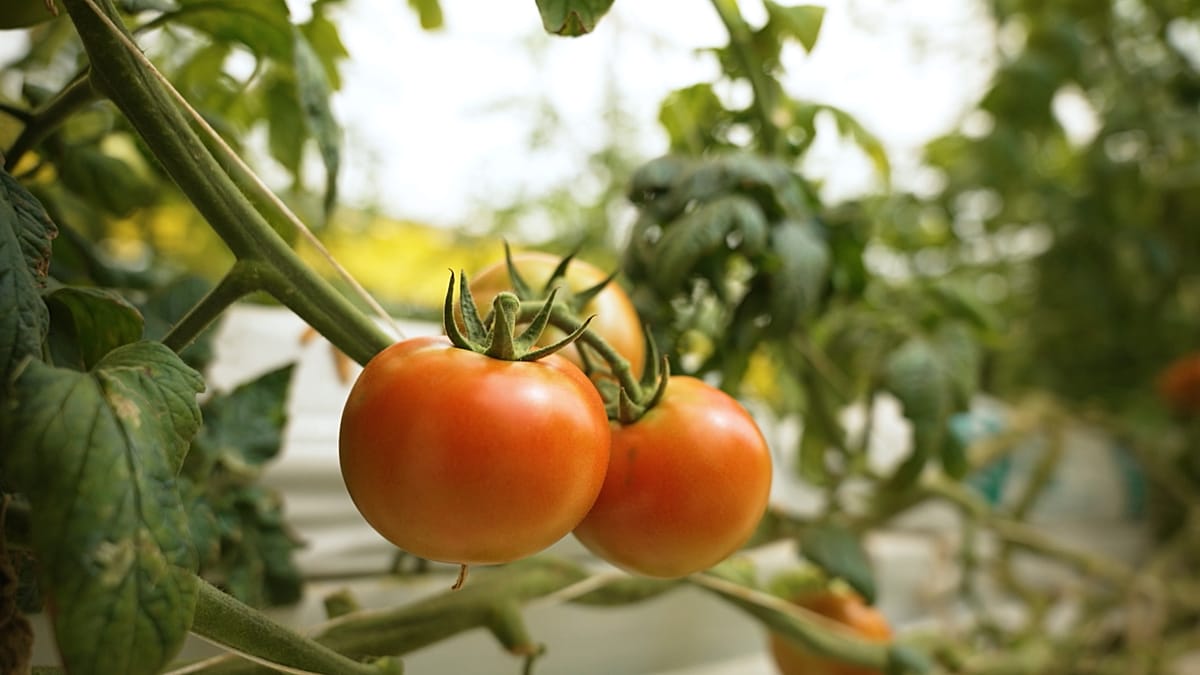
Qatar has embraced advanced agricultural technologies to counteract its natural limitations. Controlled-environment agriculture, such as vertical farming and hydroponics, is gaining popularity, allowing farmers to maximize production even in harsh conditions. These methods enable year-round cultivation, reducing the dependency on seasonal weather patterns. Additionally, the use of smart sensors and IoT devices allows for precise monitoring of water and nutrient levels, driving efficiency in resource management.
Collaborations and Investments
Recognizing the need for expertise, Qatar has engaged in partnerships with international agricultural firms and research institutions. These collaborations focus on developing sustainable agricultural practices tailored to the Qatari climate. Investment in infrastructure and technology is also crucial for building local capacities. The government has been allocating funds towards research and development initiatives that support innovation in agriculture, ensuring that the nation can produce more food locally and with greater efficiency.
Future Prospects and Challenges
As Qatar moves forward with its ambitious agricultural strategy, it faces both opportunities and challenges. On one hand, the emphasis on sustainable practices can benefit not only food production but also create jobs and support the economy. On the other hand, navigating environmental obstacles and the ongoing need for advanced technology will be critical. Maintaining a balance between technological adoption and the preservation of local ecosystems is essential for the long-term success of Qatar’s agricultural ambitions.
In essence, Qatar is not merely adapting to its agricultural constraints but is actively transforming them into opportunities through strategic planning and innovation. The journey toward self-sufficiency may be complex, but with a focused vision and commitment to sustainable practices, Qatar is evolving its agricultural landscape and securing its food future.