
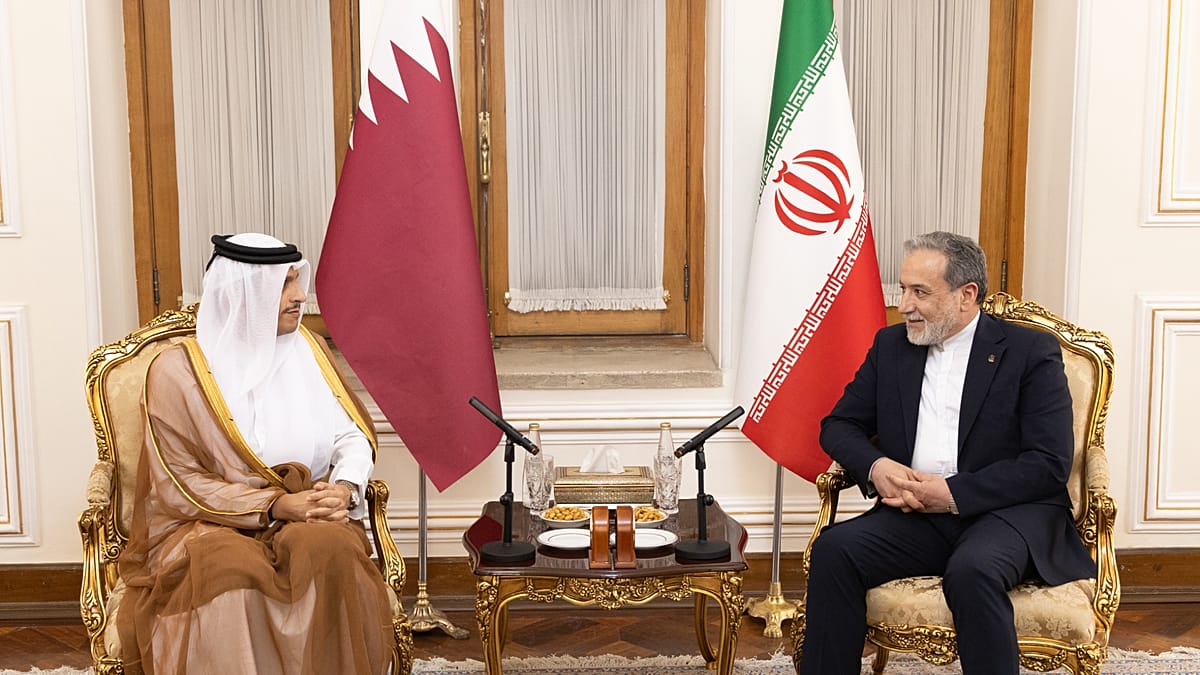
Qatar is intensifying its diplomatic efforts to mediate tensions surrounding the Strait of Hormuz. Recently, Sheikh Mohammed bin Abdulrahman Al Thani, the Prime Minister and Foreign Minister of Qatar, paid a significant visit to Tehran. This meeting marks the first high-level Qatari diplomatic visit to Iran since the conflict escalated on February 28. The discussions aimed to foster communication between Iran and the United States, reflecting Qatar’s ongoing role in diplomacy amid a challenging regional climate.
Strengthening Diplomatic Ties
During his visit, Sheikh Mohammed engaged in discussions with Iran’s Foreign Minister, Abbas Araghchi, focusing on initiatives to alleviate tensions. As reported by Qatar’s state news agency QNA, the dialogues revolved around formulating a framework for interaction between Iran and the US. The officials explored a phased plan for improving conditions in the Strait of Hormuz, which included creating a temporary shipping corridor and collaborating on a project to eliminate mines from the waterway.
Sheikh Mohammed highlighted the essentiality of respecting the sovereignty of neighboring nations while maintaining freedom of navigation. He advocated for ongoing diplomatic efforts to address differences through peaceful dialogue. Araghchi expressed gratitude to Qatar for its mediation role, acknowledging the importance of continued dialogue for regional stability.
Qatar’s involvement as a mediator highlights its strategic position, being a close ally of the US and hosting the military’s Al Udeid Air Base, while simultaneously sharing considerable resources with Iran. This dual role enhances Qatar’s influence in fostering peace, having played a vital part in brokering a ceasefire earlier in June that briefly halted hostilities.
The Impact of Conflict on Maritime Trade
The situation in the Strait of Hormuz is pivotal for broader negotiations between Iran and the US. Prior to the conflict, approximately one-fifth of global oil supplies traversed this narrow passage. However, the onset of the war caused a drastic decline in oil flow, plummeting to around five million barrels per day, down from approximately 20 million barrels. This stark reduction not only affects oil prices but also intensifies concerns about the safety of maritime routes.
Shipping safety remains a pressing issue, as evidenced by recent attacks on vessels in the strait. Qatar has been vocal about restoring pre-war navigation conditions. For Qatar, whose liquefied natural gas (LNG) exports heavily rely on this waterway, stabilizing the situation is of utmost importance. Reports indicate that production cuts at Ras Laffan due to conflict-related concerns could delay recovery by up to five years, putting further strain on the country’s economic prospects.
Iran’s engagement with Oman regarding a temporary shipping arrangement for the Strait of Hormuz further underscores the regional dynamics at play. While Iranian officials have made claims of progress, ambiguity remains about any final agreements. The International Maritime Organization has documented numerous incidents in this critical maritime corridor since the conflict erupted, intensifying worries about global energy supply chains.
Stalled Diplomatic Progress
As Qatar advances its diplomatic overtures, broader negotiations remain stalled, particularly with the US exerting economic pressure on Iran. The current administration has expressed a cautious approach to resuming dialogue, thereby complicating prospects for a resolution. Iranian officials have characterized the sanctions as part of an economic war, further stalling any potential diplomatic breakthroughs.
In light of these tensions, neighboring nations are also increasing their diplomatic efforts to prevent further escalation. Officials from Pakistan recently sought discussions in Tehran, while Oman continues its dialogue with Iran regarding the Strait of Hormuz and the wider geopolitical conflicts involving the US. Despite the obstacles, Qatar remains steadfast in its belief that diplomacy is the most effective avenue to navigate this multifaceted crisis.
As regional stakeholders take calculated steps towards dialogue, the future of the Strait of Hormuz and the broader Middle Eastern landscape hangs in the balance, underscoring the critical need for collaboration and comprehensive negotiation strategies.