
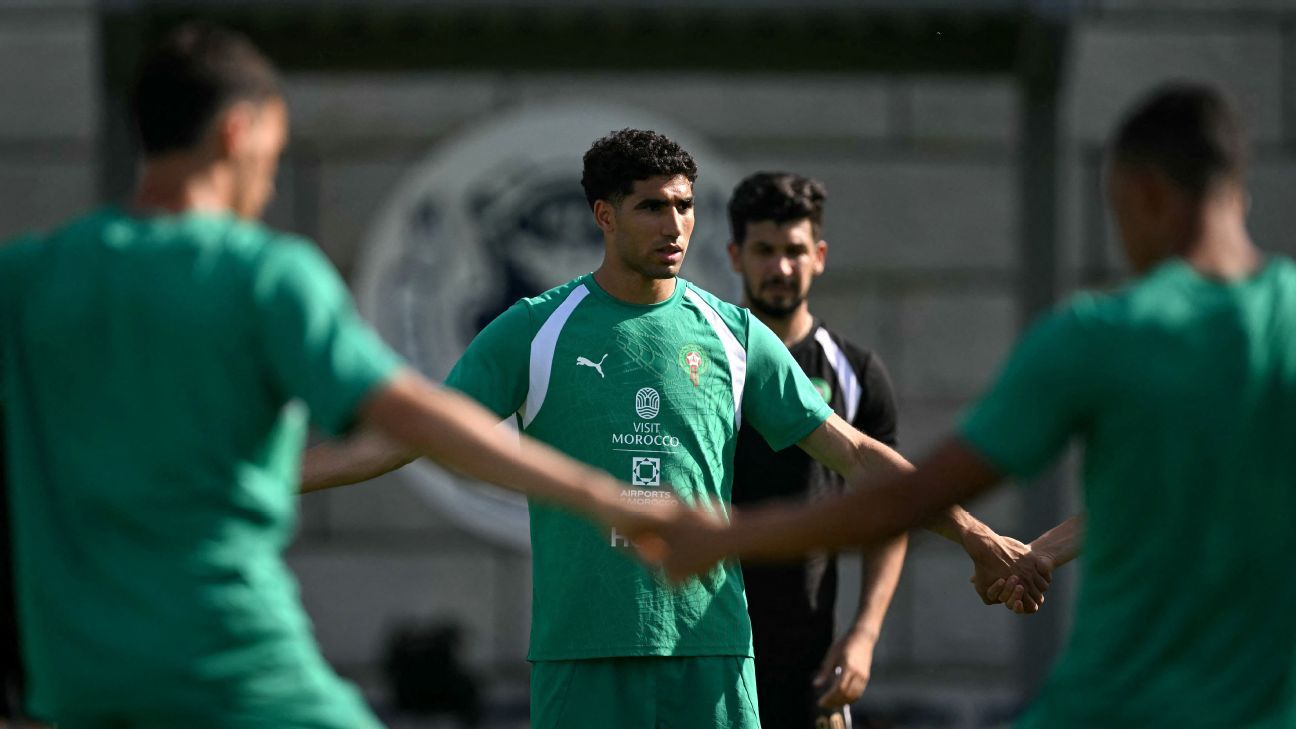
In the world of soccer, unexpected changes can often lead to significant moments. Morocco’s recent decision to part ways with head coach Walid Regragui—just months prior to the FIFA World Cup—has left many contemplating the future of the Atlas Lions. Known for leading Morocco to unprecedented heights, including a historic semifinal appearance in Qatar 2022, Regragui’s departure marks a pivotal moment in the nation’s football journey.
Shifting Standards: The Legacy of Regragui
Regragui transformed the narrative surrounding Moroccan football, elevating expectations to new heights. Once, merely qualifying for the World Cup was considered an immense achievement for Moroccan coaches. However, under Regragui’s guidance, the team not only qualified but achieved a groundbreaking feat—defeating major European teams like Spain and Portugal. This remarkable journey instilled a sense of national pride and shifted the standard for what was deemed possible for Moroccan football.
As Morocco moves forward, the transition to a new coach signifies a broader evolution in the nation’s aspirations. With King Mohammed VI’s two-decade-long efforts to strengthen Morocco’s influence across Africa, football has become integral to this vision. The establishment of the Mohammed VI Football Academy and various initiatives to nurture talent aimed at competing at the highest levels demonstrate Morocco’s commitment to developing a strong football identity.
The Challenge Ahead: Mohamed Ouahbi’s Vision
Following Regragui’s notable achievements, Moroccan football now faces the challenge of progressing beyond pragmatic strategies to a more creative and expressive style of play. Recently appointed head coach Mohamed Ouahbi is tasked with bringing back the flair that characterized Moroccan football in prior years. His prior success at the youth level—where his teams showcased fluidity, creativity, and pressing—poses a stark contrast to the more mechanical approach seen in recent senior team performances.
It’s essential for Ouahbi to blend the resilient defensive strategies that earned Morocco respect on the global stage with a style that embodies the country’s rich football heritage. The return of artistry to the game could reinvigorate supporters who felt that the team had become overly calculated, lacking the instinctive brilliance associated with North African football.
The Path to Redemption and Ambition
Ouahbi’s aim isn’t simply to revert to the maverick style of the past; rather, he seeks to cultivate a hybrid identity that fuses structure with creativity. As he draws from the talent nurtured in the academy, there lies a promise of a new generation that embodies both technical skill and the audacity to take risks on the field. The recent success of youth players in transitioning to the senior team demonstrates a solid foundation upon which Ouahbi can build.
With the huge expectations following Regragui’s tenure, the upcoming World Cup represents not just a tournament but a litmus test for this new vision of Moroccan soccer. Observers will eagerly watch to see if the team can marry tactical discipline with an uninhibited flair, ultimately positioning Morocco as a formidable force on the international stage.
In embarking on this new journey, Morocco seeks to redefine its football identity, transforming the foundations established under Regragui into an ambitious future. The blend of structure and artistry could be the key to unlocking further success and capturing the hearts of fans, both at home and across the globe.