
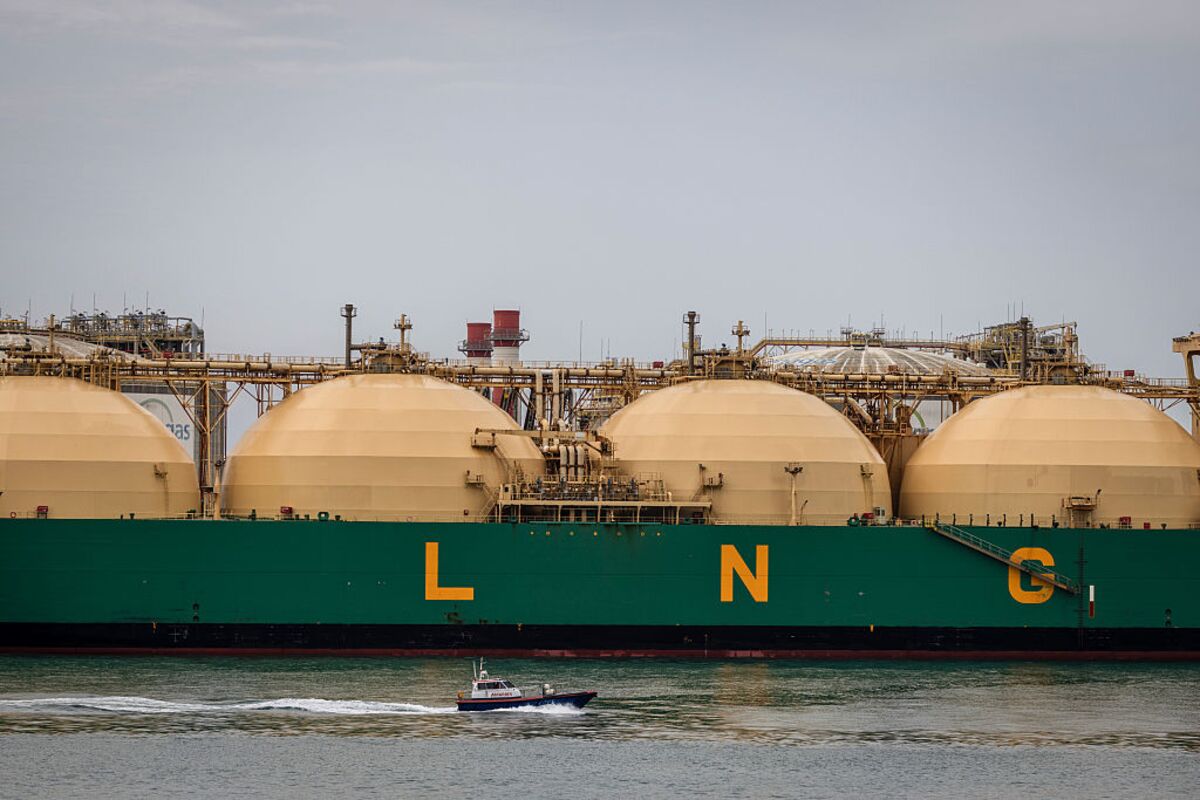
A recent incident in the Strait of Hormuz has raised concerns over the safety and security of liquefied natural gas (LNG) shipments. A tanker transporting LNG from Qatar was reportedly hit by a projectile while navigating through this crucial maritime corridor. This event highlights the potential risks faced by vessels in the region, emphasizing the importance of maritime security for global energy supplies.
Impact of Security Threats on LNG Supply Chains
The Strait of Hormuz is a vital passageway for energy supplies, with a significant portion of the world’s oil and natural gas transiting through it. The recent attack on the LNG tanker underscores the ongoing security threats in this region, raising questions about the safety of maritime routes. Such disruptions could lead to increased shipping costs and potentially higher prices for consumers worldwide. LNG supply chains depend heavily on the reliable movement of resources, and any threats to this flow can have far-reaching consequences for the global energy market.
The Rising Tension in the Middle East
Heightened tensions in the Middle East, coupled with geopolitical conflicts, exacerbate the risks associated with shipping in critical waterways. The Strait of Hormuz has been a focal point for escalated military activity and political disputes, often leaving commercial vessels vulnerable. Shipping companies must now consider the risks of operating in these waters, with many reevaluating their routes and security protocols. This incident serves as a reminder that volatility in the region can significantly impact not only individual shipments but also the broader dynamics of international energy trade.
Responses from the Shipping Industry
In light of the recent attack, shipping firms and industry stakeholders are likely to enhance their security measures. Increased surveillance and advanced maritime security systems may become more common as companies seek to protect their assets. Furthermore, governments may collaborate more closely to ensure the safety of vessels transiting high-risk areas. The response to such incidents is critical in maintaining confidence in maritime operations and ensuring that LNG and other vital energy resources are delivered without substantial delay.
Future Outlook for LNG Shipping
Looking ahead, the industry must adapt to the changing landscape of maritime security while maintaining the flow of natural gas and other energy supplies. The global demand for LNG continues to rise, driven by efforts to transition away from coal and reduce carbon emissions. As such, the importance of safeguarding shipping routes will only grow. Stakeholders in the energy sector need to prioritize security and contingency planning to mitigate potential disruptions resulting from geopolitical tensions.
In conclusion, the attack on the LNG tanker serves as a stark reminder of the fragile nature of maritime operations in the Strait of Hormuz. As geopolitical tensions persist in the region, industry players must remain vigilant to protect vital shipping routes and ensure stable energy supplies. The evolution of security measures will be crucial in navigating the complexities of LNG transportation and maintaining energy access in a rapidly changing world.