
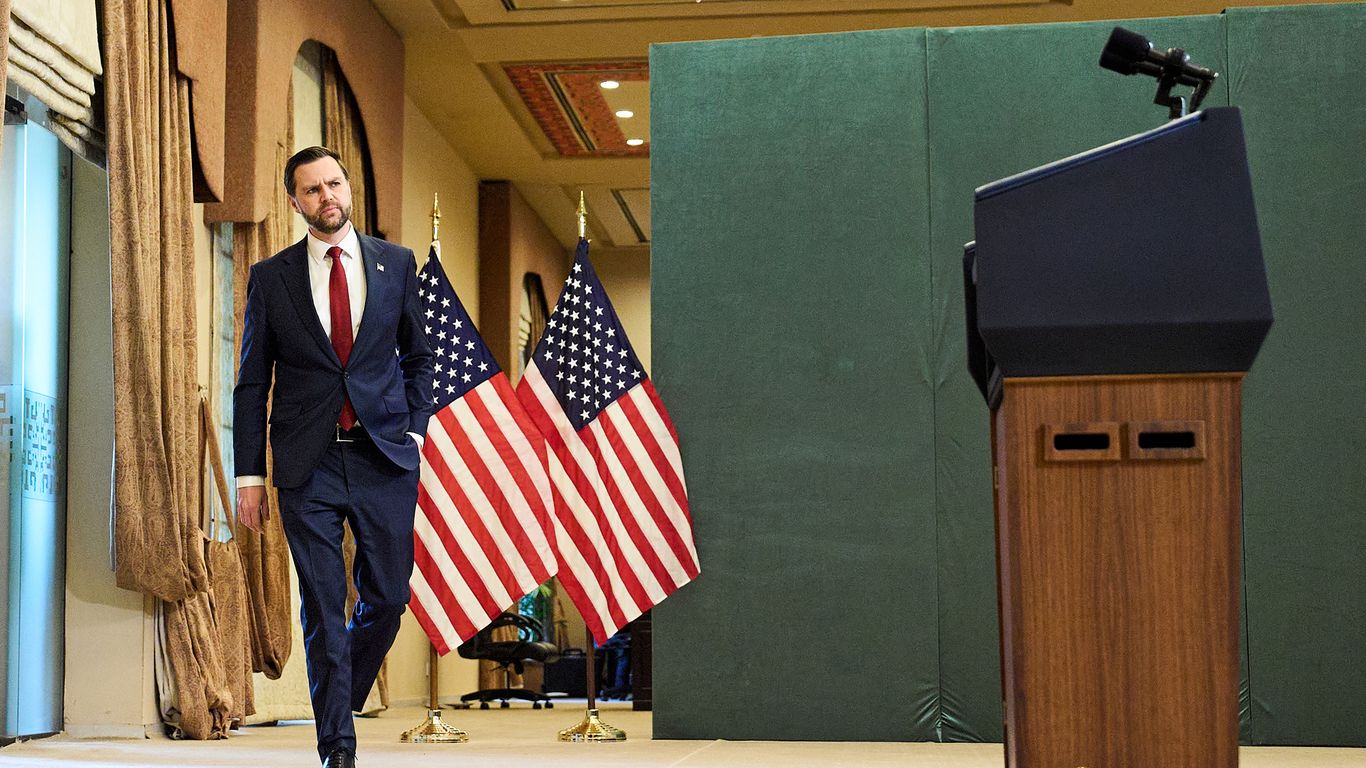
In recent years, the evolving landscape of international mediation has positioned several nations at the forefront of conflict resolution. Among them, Pakistan has taken on a prominent role as an official mediator in the ongoing war. Meanwhile, Qatar has been actively engaging in discreet diplomatic efforts to foster dialogue among conflicting parties.
Pakistan’s Role as a Mediator
Pakistan has established itself as a key player in international diplomacy, particularly in facilitating discussions aimed at resolving conflicts. Its strategic geopolitical location and long-standing relationships with various stakeholders allow Pakistan to engage with conflicting parties effectively. As an official mediator, Pakistan utilizes its influence to promote peace and stability, showcasing its commitment to a peaceful resolution of disputes. Through diplomatic channels, Pakistan has worked tirelessly to bridge divides and create opportunities for dialogue.
Qatar’s Behind-the-Scenes Diplomacy
While Pakistan takes the lead in formal mediation, Qatar has been diligently working behind the scenes to support peace initiatives. The Qatari government has been known for its ability to maintain friendly ties with multiple factions involved in conflicts. This unique positioning enables Qatar to play a crucial role in facilitating negotiations and providing a neutral ground for discussions. Its discreet approach has led to fruitful dialogues, contributing to a more comprehensive understanding of the needs and concerns of all parties involved.
The Importance of Cooperative Mediation
Mediation requires a delicate balance of power and understanding among conflicting parties. By partnering with various nations, including Qatar, Pakistan enhances its mediation efforts, creating a more inclusive environment for conflict resolution. This collaborative approach not only strengthens peaceful negotiations but also boosts the credibility of the mediation process. It emphasizes the importance of multiple perspectives in achieving long-lasting peace and stability.
Challenges Ahead for Mediation Efforts
Despite the positive strides made by Pakistan and Qatar, mediation efforts often encounter significant challenges. The complexities of international relations mean that power dynamics can shift unexpectedly, leading to heightened tensions. Ensuring consistent engagement and maintaining trust among conflicting parties is crucial for any mediation process. The evolving geopolitical landscape and the interests of external actors add another layer of complexity, requiring mediators to adapt their strategies continuously.
In conclusion, the roles of Pakistan and Qatar in international mediation highlight the necessity for cooperative efforts in addressing conflicts. With Pakistan acting as an official mediator and Qatar engaging in vital behind-the-scenes work, both nations contribute significantly to peace initiatives. As they navigate the challenges ahead, their continued collaboration will be instrumental in fostering dialogue and promoting stability in troubled regions.