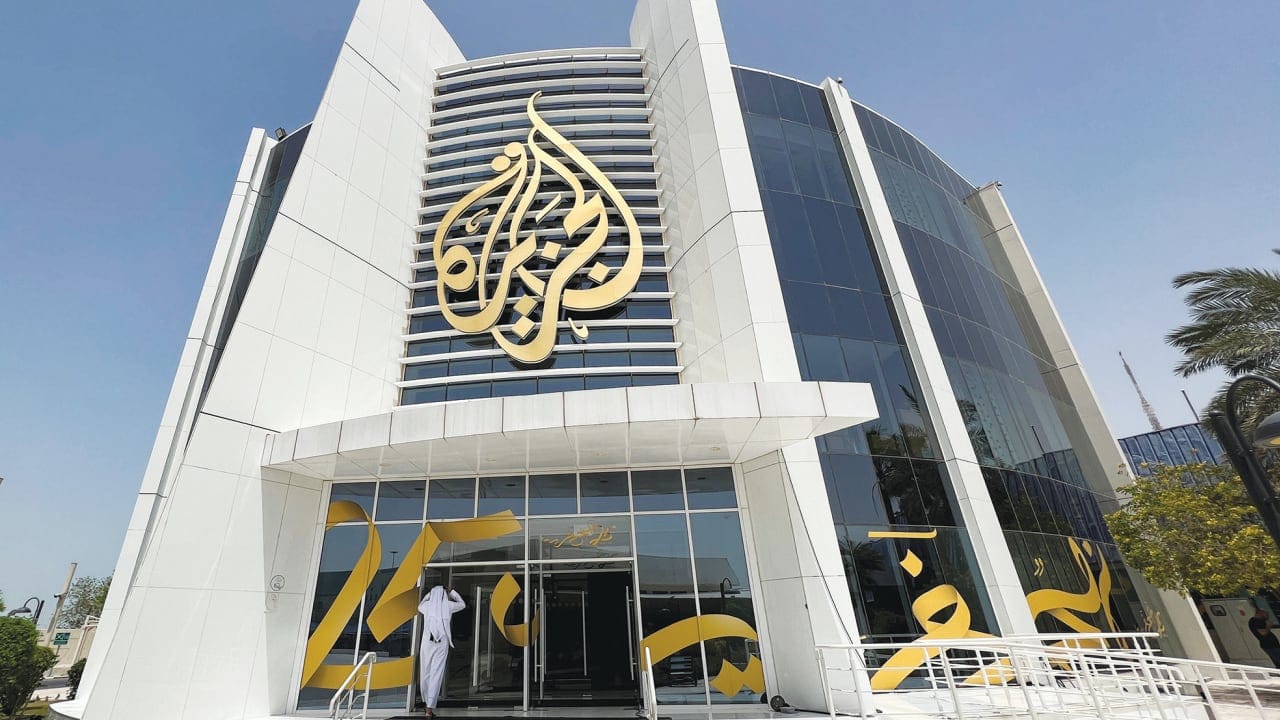
In recent years, Qatari media outlets, particularly Al Jazeera, have grappled with the challenge of presenting news that aligns with a pro-Islamist narrative while striving to maintain an appearance of impartiality. This balancing act has become increasingly complex in the wake of geopolitical tensions, notably those involving Iran.
Perception of Stability Amidst Underlying Turmoil
To navigate this dilemma, Al Jazeera often opts for a narrative focused on “business as usual,” highlighting a continuous routine devoid of protests or unrest. This approach not only perpetuates an illusion of stability but also minimizes the underlying tensions that might contradict this facade. Occasionally, the channel incorporates external commentators to lend balance to its reporting; however, the overarching message remains largely unchallenged.
Interestingly, Al Jazeera has, at times, covered protests and instances of violence within Iran, indicating a multifaceted approach to its news coverage. Nevertheless, the real test of its editorial line occurred following attacks on Qatar by Iranian forces. This situation raised expectations for a shift in reporting, yet the channel continued to platform voices supportive of the Iranian regime, including interviews with high-ranking officials who advocate Tehran’s viewpoints.
The Emergence of a Target Audience Narrative
In response to mounting criticism—both from international observers and local stakeholders—Qatar has spun a narrative claiming that Al Jazeera primarily targets an international audience. This framing positions the portrayal of the Iranian narrative as an externally focused agenda. Conversely, domestic outlets like Qatar TV aim for coverage more aligned with state interests, addressing local sensibilities effectively.
This narrative serves a dual purpose for Qatar’s leadership: it reinforces the country’s role as a regional influencer in public opinion while deflecting criticism regarding the perceived pro-Iranian stance. However, this line of reasoning warrants scrutiny. Evidence increasingly suggests that Qatari media is highly coordinated, rooted in an institutionalized framework that closely ties its operations to the government’s policy objectives.
Case Studies Highlighting Media Coordination
An insightful perspective is provided by industry insiders. For instance, journalist Suzan Quitaz has highlighted connections between media executives and government officials, revealing the systematic coordination present in Qatari media. Appointments often reflect familial ties, and editorial committees convene during crises to ensure consistent messaging across platforms.
Quitaz’s personal experiences in Qatari media further illustrate this coordinated environment. Upon seeking to cover stories related to Israeli affairs, she faced repeated redirection toward narratives focused solely on Palestine. Such instances underscore the limitations imposed on journalistic independence, reinforcing the idea that Qatari outlets exist within a tightly controlled media ecosystem.
The Importance of Critical Media Consumption
Given the complex dynamics underpinning Qatari media, viewers must approach its content with a critical eye. When narratives regarding Iran circulate through various Qatari platforms, it’s essential to recognize the strategic intent behind these stories. Each message is likely the result of directives from influential circles within Doha, reflecting broader political agendas.
In this multifaceted media landscape, understanding the underlying motives and coordination within Qatari news outlets can enhance comprehension of regional issues. As geopolitical realities evolve, so too will the narratives crafted within this media sphere, necessitating vigilant and discerning consumption by audiences worldwide.