
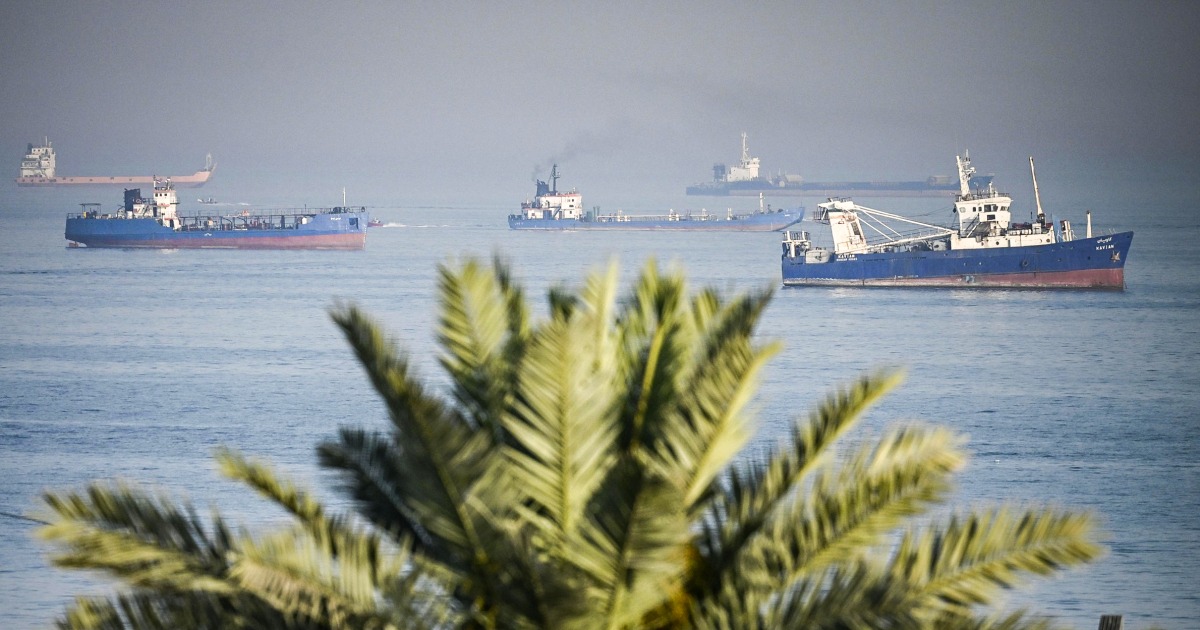
The geopolitical landscape in the Middle East has been increasingly complex, particularly concerning vital maritime routes like the Strait of Hormuz. This critical passageway plays a significant role in global oil production and trade. As tensions heighten in the region, it is essential for the United States to secure support from powerhouses such as Saudi Arabia, the United Arab Emirates, and Qatar, as these nations hold significant stakes in the stability of their infrastructure and economic assets.
The Importance of the Strait of Hormuz
The Strait of Hormuz is a narrow shipping channel connecting the Persian Gulf with the Gulf of Oman. It serves as a crucial gateway through which a substantial portion of the world’s oil supply is transported. Approximately 20% of global oil trade passes through this waterway, making it vital not only for Middle Eastern countries but also for economies around the globe. Any disruption in this region could lead to skyrocketing oil prices, affecting consumer markets and businesses worldwide.
With the ongoing geopolitical tensions, the security of the Strait has never been more critical. Events such as military confrontations, piracy, and regional conflicts threaten the safe passage of vessels. Consequently, the potential for miscalculations or misunderstandings among nations can escalate quickly, posing risks not just to the involved parties but also to international trade routes that rely on this essential strait.
The Role of Regional Allies
To address the threats facing the Strait of Hormuz, the involvement of regional allies is paramount. Countries like Saudi Arabia, the UAE, and Qatar play a pivotal role due to their military capabilities and strategic positioning. Collaborative efforts among these nations, alongside the United States, can enhance maritime security and defense mechanisms in the region.
Such alliances can take various forms, from joint naval exercises to intelligence-sharing initiatives aimed at countering threats. Moreover, the participation of these countries can foster diplomatic dialogue, easing tensions in the region and opening channels for conflict resolution. The U.S. must engage these allies effectively to ensure that collective security arrangements are robust and prepared for any arising challenges.
Economic stability in the Gulf region is deeply intertwined with the security of the Strait of Hormuz. The nations surrounding this vital passageway depend heavily on the oil sector for revenue, which funds their development and public services. Any instability or conflict can lead to economic downturns, not just locally but on a worldwide scale; fluctuations in oil prices can reverberate through to consumers and businesses globally.
Furthermore, the impact of security concerns on foreign investments should not be underestimated. Investors tend to shy away from regions with heightened instability, fearing potential losses. For Gulf states to continue attracting foreign capital, they must demonstrate a commitment to a stable and secure environment. Hence, U.S. support in fostering peace and security will be a win-win scenario, benefiting both the region and its global economic partners.
Moving forward, the U.S. must adopt a multi-faceted approach to engage Saudi Arabia, the UAE, Qatar, and other regional players. Building strong alliances based on shared interests, such as economic prosperity and security, will be essential. Whether through diplomatic channels, military cooperation, or economic partnerships, establishing a unified strategy will enhance resilience against the myriad risks facing the Strait of Hormuz.
In summary, as the geopolitical dynamics of the Middle East continue to evolve, the importance of the Strait of Hormuz cannot be overstated. The United States must prioritize collaboration with regional allies, ensuring that collective security arrangements are in place to safeguard this vital maritime artery. Continued dialogue, clear communication, and unwavering commitment will be pivotal in maintaining regional stability and global economic health.