
A recent incident in the Roshn League has highlighted a significant refereeing controversy involving FC Barcelona that dates back to the previous Champions League season. This situation exposes inconsistencies in how referees interpret the rules regarding handballs, raising critical questions about fair play in football.
Refereeing Controversy in the Champions League
The Spanish publication “Mundo Deportivo” reported on Romanian referee Istvan Kovacs, who is currently associated with UEFA and is strictly enforcing the governing body’s directives concerning handballs. The report emphasized that Kovacs leaves no room for interpretation when the ball is in play, indicating a rigid approach to officiating that could detract from the spirit of the game.
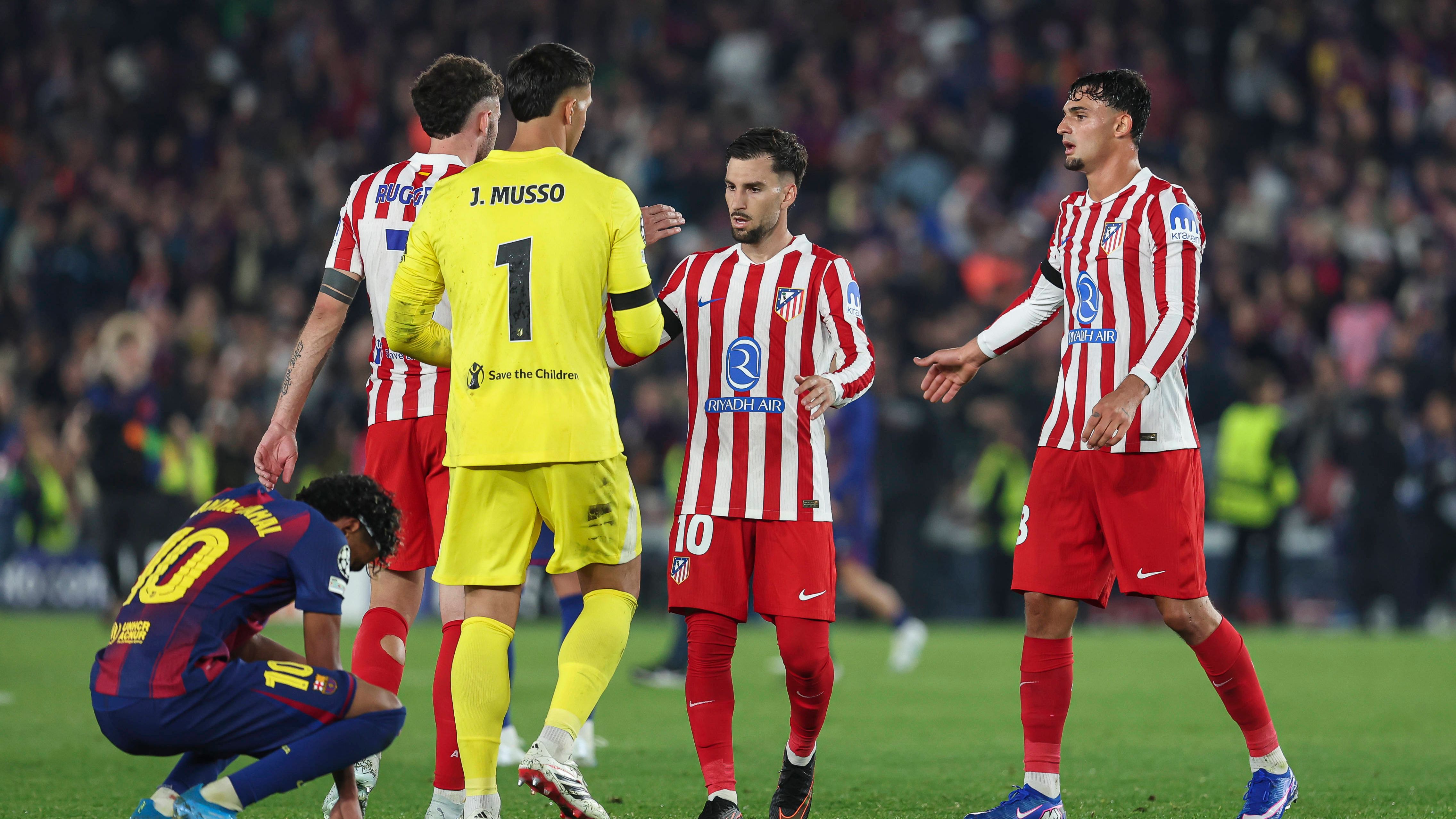
A paradox emerged when it was noted that Kovacs was also the referee who failed to award a penalty against Barcelona’s Marc Pubill in a key quarter-final match against Atletico Madrid on April 8. Despite a similar incident occurring during this match—where Pubill blocked a hand pass after the ball was rolled out by the goalkeeper—Kovacs chose not to penalize, leaving Barcelona to suffer a two-goal defeat.
The Roshn League Incident
In a recent match in the Roshn League between Al-Khaleej and Al-Hilal, Kovacs awarded a penalty when Kalidou Koulibaly handled the ball inside the penalty area after it had been put into play by goalkeeper Yassine Bounou. Unlike Pubill’s situation, Kovacs made a decisive call, despite choosing not to issue a yellow card. This incident sparked outrage, especially given its resemblance to the earlier Barcelona match that had significant implications for the club.
The decision could have reversed Barcelona’s fate in their Champions League match, wherein a penalty could have led to an equalizing goal. Instead, a missed opportunity left them vulnerable and ultimately resulted in their elimination from the tournament.
Barcelona’s Reaction and UEFA’s Response
Following the Atletico Madrid match, Barcelona voiced their discontent through an official complaint to UEFA. They characterized the officiating as a deviation from established regulations, asserting that the refereeing decisions had a direct impact on the outcome of the match. They further criticized the non-use of Video Assistant Referee (VAR) technology to rectify what they considered a blatant error.
Roberto Rosetti, head of UEFA’s referees committee, addressed this contentious issue during a recent presentation in Monte Carlo. He stated that the aim is to bring consistency to officiating decisions, clarifying that incidents like these should lead to penalties, without exceptions for nearby players’ presence.
Despite Barcelona’s efforts to investigate the incident further—including access to refereeing communications—UEFA ultimately dismissed their complaint. This development has left the club frustrated, as they seek acknowledgment of the perceived injustices that shaped their European campaign.
In summary, the refereeing inconsistencies surrounding FC Barcelona highlight broader concerns within football regarding fair play and the enforcement of rules. The contrasting approaches taken by referees in similar situations not only raise eyebrows but also challenge the integrity of the game. As debates around officiating continue, clubs like Barcelona remain vigilant about securing fair treatment in future tournaments.