
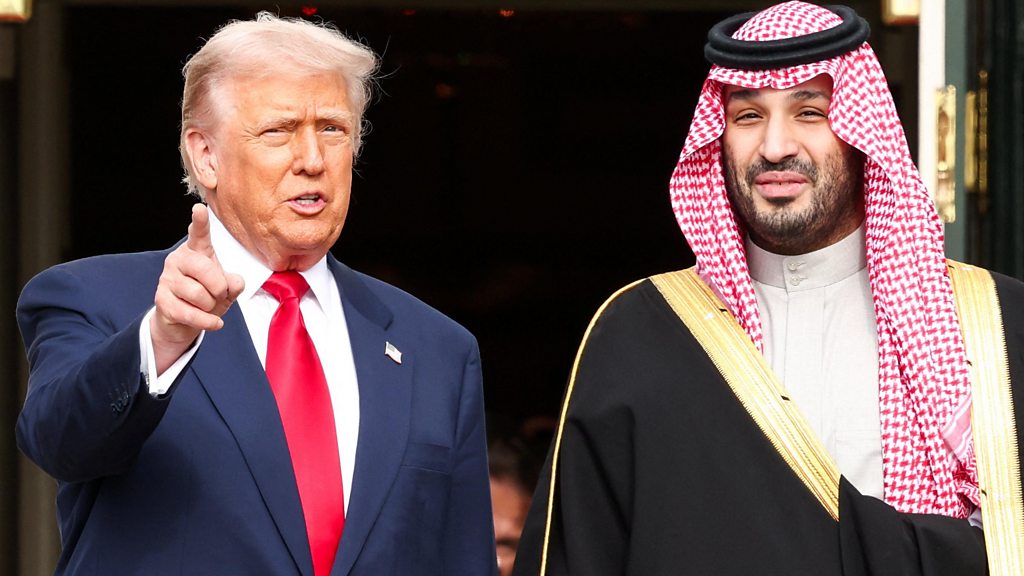
Negotiations between Saudi Arabia and the United States have gained significant momentum recently, influenced by various political, economic, and security factors. As both nations look to strengthen their partnership, understanding the underlying motivations is essential for grasping the complexities of their discussions.
Energy Security and Economic Interests
One of the primary drivers behind the negotiations is energy security. Saudi Arabia is one of the world’s largest oil producers, and its control over significant oil reserves plays a pivotal role in the global energy landscape. The United States, while reducing its dependence on foreign oil, still relies on stable energy sources to maintain its economic growth and security. Consequently, both countries are keen on collaborating to ensure a reliable supply of energy. This partnership not only stabilizes oil prices but also addresses broader economic interests, as both nations seek to bolster their respective economies in the face of fluctuating global markets.
Geopolitical Dynamics and Regional Stability
Geopolitical factors are another critical element in the ongoing negotiations. The Middle East remains a hotbed of instability, with conflicts and rivalries exerting pressure on regional security. Saudi Arabia views its relationship with the United States as a cornerstone for maintaining its influence and stability within the region. The U.S., in return, sees Saudi Arabia as a key ally in countering threats posed by nations such as Iran and various extremist groups. Their negotiations often focus on military cooperation, intelligence sharing, and coordinated actions to combat mutual threats.
Technology and Defense Collaboration
Another significant aspect of the discussions involves technology and defense collaboration. The U.S. has long been a major supplier of military equipment to Saudi Arabia, and both nations are exploring ways to deepen their defense partnership. By engaging in joint military exercises and sharing advanced technologies, they aim to enhance Saudi Arabia’s defense capabilities while also ensuring the U.S. maintains a strategic foothold in the region. This cooperation transcends simple arms sales; it encompasses broader issues like cybersecurity and counter-terrorism, aligning both nations’ military strategies against shared adversarial threats.
Human Rights and Global Image
Human rights considerations also permeate the negotiations. Saudi Arabia has faced criticism for its human rights record, particularly regarding freedom of expression and political dissent. The U.S. administration often grapples with balancing strategic interests with moral obligations, leading to discussions on reforms and human rights improvements in Saudi Arabia. While these issues can complicate negotiations, addressing them is essential for both nations to maintain credibility on the global stage. By promoting reforms, Saudi Arabia can enhance its international image, while the U.S. can uphold its values and strengthen its alliances based on shared principles.
In conclusion, the negotiations between Saudi Arabia and the United States are multifaceted, driven by energy security, geopolitical dynamics, defense collaboration, and human rights considerations. Understanding these elements is crucial for appreciating the complexities of their partnership. As both nations navigate through these discussions, their ability to align their interests will significantly shape the future of their relationship and the broader stability of the Middle East.