
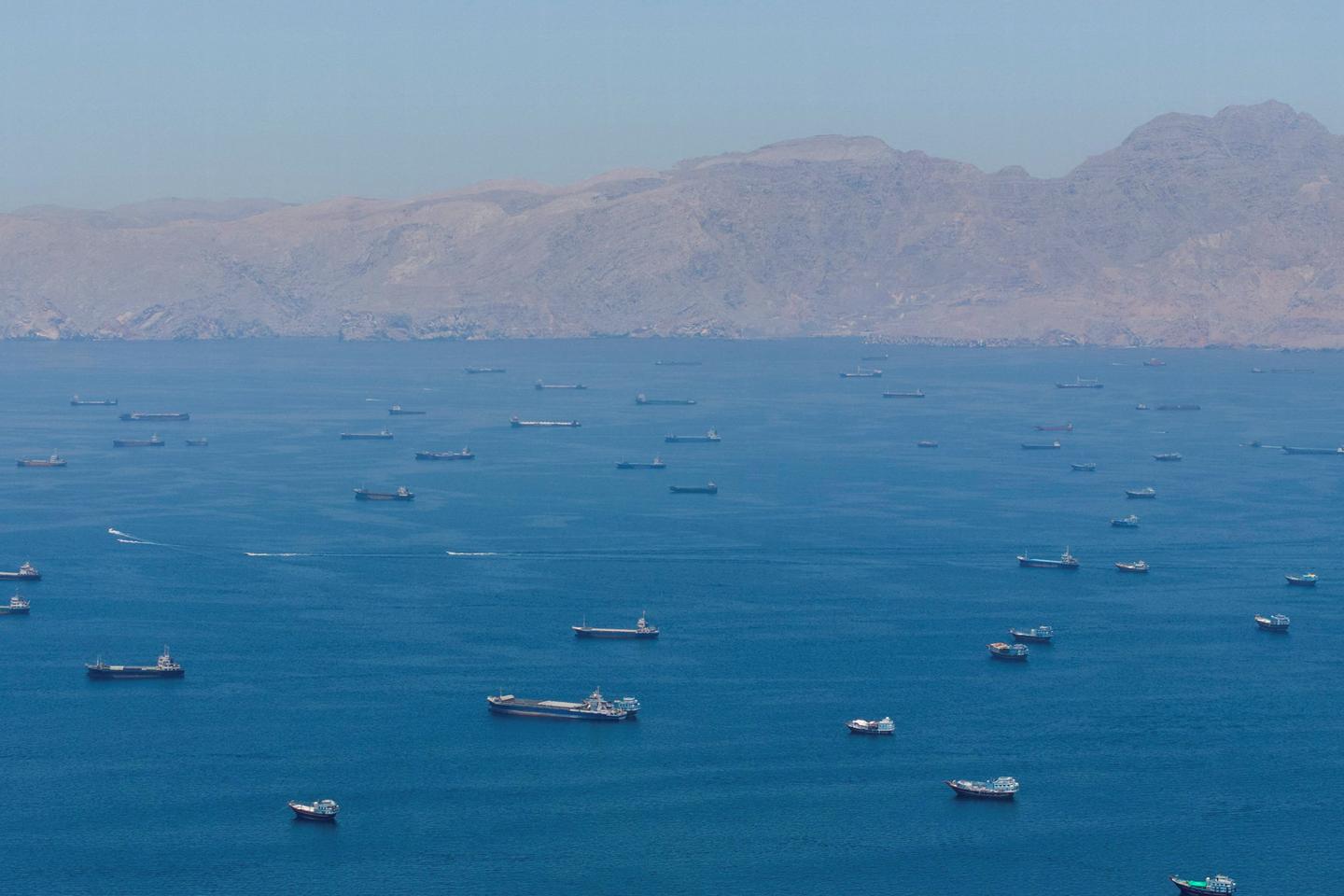
The recent diplomatic flurry surrounding the United States’ dealings with Iran and the Strait of Hormuz has highlighted the complexities of international negotiations. Despite efforts from several nations, including Pakistan, Qatar, and Saudi Arabia, to mediate between the US and Tehran, no significant agreements materialized. This breakdown in talks leaves the region’s tensions unresolved, raising concerns about both security and economic stability.
US-Iran Negotiations: A Missed Opportunity
After a series of intense discussions over the weekend, the United States found itself in a precarious position on May 25, unable to secure an agreement to officially end hostilities with Iran. The anticipated deal, crucial for reopening the strategically significant Strait of Hormuz, eluded American diplomats. This failure came as a disappointment to both the US and the intermediary countries involved, who had attempted to facilitate a breakthrough.
Amid this backdrop, former President Donald Trump shared his views on the matter through his Truth Social platform. Trump recounted a conference call with leaders from several nations, wherein he expressed frustration that, given the extensive effort by the US to resolve the situation, it would be essential for all participating countries to endorse the Abraham Accords simultaneously. Established during his first term, these accords aim to normalize relations between Arab nations and Israel, yet remain controversial and politically challenging.
The Abraham Accords: A Complex Framework
While the Abraham Accords have streamlined relations for some Arab countries—most notably the UAE, Bahrain, Morocco, and Sudan—other nations have held back from formalizing ties with Israel. Nations such as Egypt and Jordan, which have longstanding peace agreements with Israel, underscore that future normalization must hinge on a viable path for the Palestinians, who continue to seek statehood and political recognition. Until such conditions are met, countries like Saudi Arabia and others resist moving forward.
The insistence from Trump’s camp that the normalization process requires collective commitment may be seen as an attempt to exert pressure on those hesitant to engage. Nonetheless, the lack of progress in the negotiations underscores the intricate web of regional politics, where the Palestinian issue remains a significant impediment to broader agreements.
Consequences for Regional Dynamics
The inability to finalize a deal not only complicates US-Iran relations but also threatens to destabilize the broader region. As tensions simmer, the operational status of the Strait of Hormuz—a crucial shipping lane for oil and gas—hangs in the balance, potentially impacting global energy markets. The outreach by various nations to foster dialogue highlights the risks everyone faces in a climate of unresolved tensions.
As countries muster diplomatic efforts to curb rising hostilities, the US is navigating a challenging landscape filled with competing interests. The situation calls for more robust strategies and a genuine commitment to find resolutions that can appease all parties involved. The unfolding dynamics depict a complex geopolitical environment where patience and diplomacy will be vital in moving forward.
Ultimately, the ongoing developments in the Strait of Hormuz remain a focal point for international observers, who closely monitor how the interplay of diplomacy, regional power struggles, and historical grievances will shape future interactions among nations in the Middle East. A successful resolution could pave the way for improved relations and stability, setting the stage for cooperation and peace in a historically volatile region.