
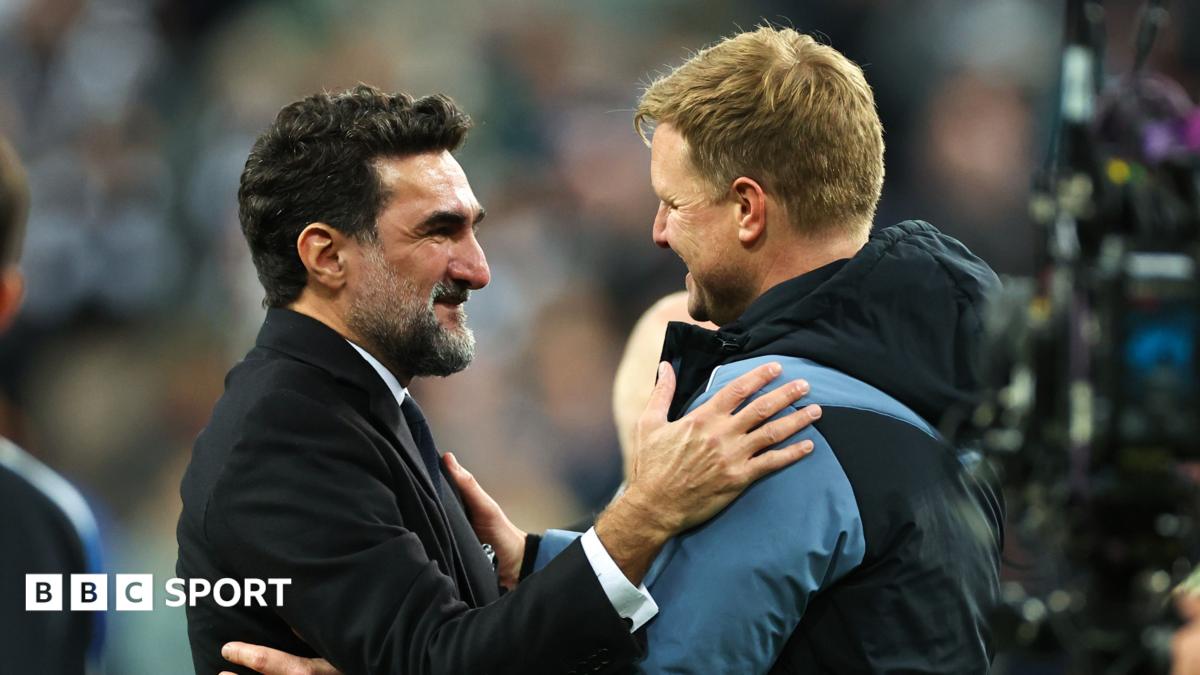
Newcastle United, a club steeped in rich history, has been navigating the complex waters of football finance since its acquisition by the Public Investment Fund (PIF) in 2021. With new ambitions to compete at the highest level, the club has faced stringent regulations that limit spending. Understanding these financial constraints is vital for fans and stakeholders who wish to comprehend the trajectory of this iconic football team.
Understanding Profit and Sustainability Rules
Since the PIF takeover, Newcastle has encountered significant barriers due to Profit and Sustainability Rules (PSR). These guidelines ensure that clubs do not overspend and maintain a balance between their income and expenditures. Despite the PIF’s substantial wealth, this does not automatically allow for unrestricted spending in the transfer market. Over the first three years of ownership, the fund invested approximately £404.7 million. However, the club generated only £50.4 million from player sales, illustrating the harsh realities of financial oversight.
In 2024, these regulations took a more pronounced effect when Newcastle was compelled to part ways with promising homegrown talent, Elliot Anderson, selling him to Nottingham Forest. This transaction marked the beginning of a trend where the club had to release key players each subsequent season, further complicating their ambitions.
Financial Fair Play and Squad Cost Ratio
The introduction of the Financial Fair Play (FFP) rules, particularly the new Squad Cost Ratio (SCR), has been met with cautious optimism by Newcastle’s management. These guidelines establish that a club can spend in accordance with the revenue it generates; thus, enhancing income creates opportunities for greater expenditure. However, when compared to other clubs in the Premier League, Newcastle’s SCR budget of £243 million positions it just ninth in the league, revealing the challenge ahead.
Additionally, interests beyond football have also influenced Newcastle’s financial dynamics. In April, PIF decided to withdraw its multibillion-dollar investment in LIV Golf. This prompted speculation about the implications for Newcastle’s future financial landscape. Nonetheless, club officials have reassured that this decision has not adversely affected the football operations, and the fund remains engaged with the club’s trajectory.
Growth in Revenue and Future Plans
Despite hurdles, the financial outlook for Newcastle appears promising. The club’s most recent financial report indicates that revenues surged to £335.3 million, a significant leap from the £140.2 million recorded under the previous ownership of Mike Ashley. This increase highlights the growing commercial viability of the club, allowing for investments in infrastructure and talent.
Plans are underway for a new state-of-the-art training facility, signaling a forward-thinking approach to player development and performance. Furthermore, CEO Darren Eales has expressed intentions to revamp St James’ Park, or possibly explore a new stadium, to amplify matchday revenues.
The potential hiring of former RB Salzburg manager Matthias Jaissle has also garnered attention. Currently overseeing Saudi Arabian club Al-Ahli, a former investment of the PIF, his appointment could further intertwine the club’s operations with the broader strategy of the PIF.
In summary, while Newcastle United has faced considerable financial constraints in its ambitions to return to footballing glory, a combination of increasing revenue, focus on sustainable growth, and strategic leadership positions them strongly for the challenges ahead.