
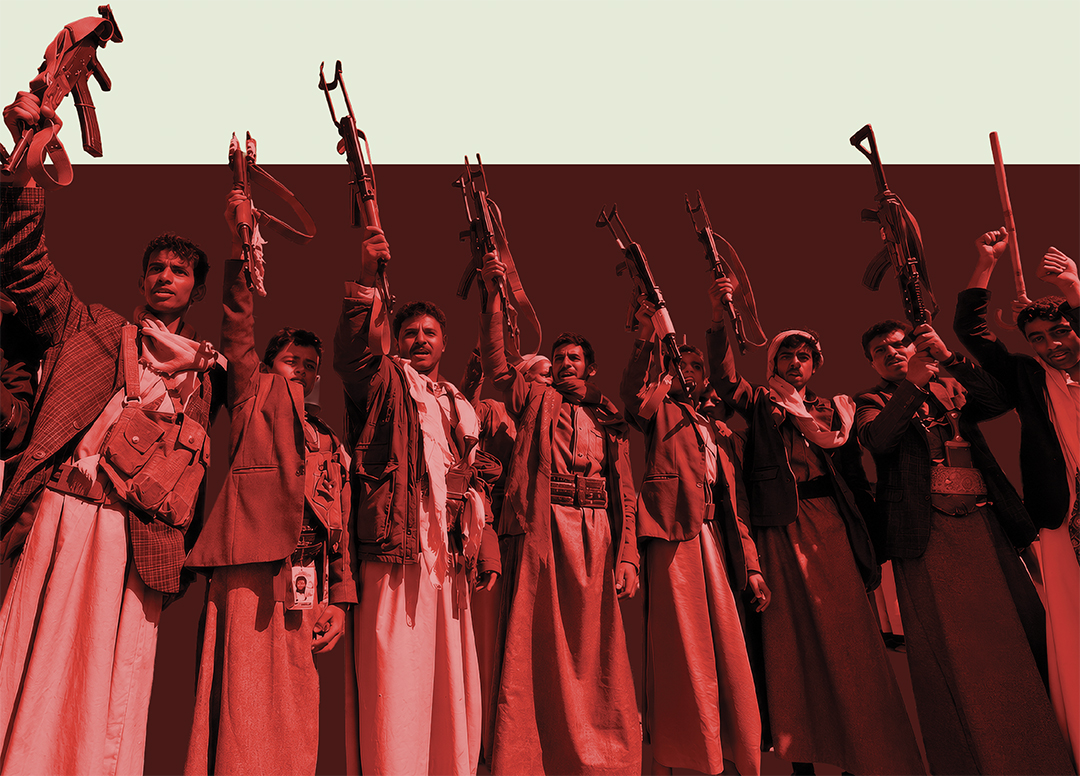
In today’s world, the dialogue surrounding faith, identity, and morality is often fraught with division and misunderstanding. It is essential to recognize the voices and actions that fuel animosity and conflict within the communities that hold religious beliefs. This commentary delves into the pressing need to identify and confront the figures and ideologies that undermine the values of peace and unity that many faith communities espouse.
The Role of Faith in Fostering Unity
Faith has historically functioned as a unifying force in societies around the globe. It transcends cultural and ethnic divides, bringing people together in shared beliefs and values. However, certain individuals and groups exploit this powerful bond, twisting religious tenets to advance their agendas, often in stark contrast to the foundational teachings of the faith they claim to represent. This dangerous manipulation can lead to polarization, creating an environment where hatred thrives.
The teachings of many religions clearly advocate for love, harmony, and respect for one another. Yet, when the narratives are hijacked by those with malicious intents, they can foster an environment marked by suspicion and hostility. It is imperative that we challenge these distorted interpretations and assert the values of compassion that are integral to faith communities.
Identifying the ‘Enemies of Allah’
The phrase “enemies of Allah” can be somewhat contentious, yet it highlights a crucial aspect of maintaining the integrity of religious practices. The “enemies” we refer to are not just external; they can also be found within, manipulating faith for personal gain. These individuals preach extremism, intolerance, and division, which starkly contradicts the core messages of most religions.
In recognizing these adversaries, we can actively combat their influence by promoting dialogue and understanding within our communities. Education plays a key role here; by fostering awareness of the positive principles of faith, we can inspire individuals to reject divisive rhetoric. Promoting messages that underscore peace, tolerance, and the value of human life can effectively counteract the narratives pushed by those intent on sowing discord.
Building Resilience in Faith Communities
To effectively confront those who work against the principles of peace, it’s vital to build resilient faith communities. This resilience can be achieved through engagement, education, and an emphasis on shared values that promote unity rather than division. Initiatives that encourage interfaith dialogues can open avenues for understanding and diminish feelings of animosity.
Moreover, it’s crucial to highlight and mobilize the voices of moderation within faith communities. Leaders and followers alike must take a stand against extremism and advocate for interpretations of faith that celebrate human dignity and community. By doing so, we can reclaim the narrative from those who would seek to use religion as a weapon against others.
Conclusion: A Call to Action
In conclusion, it is essential to recognize the impact of individuals who distort religious beliefs for their aims. By identifying these adversaries and advocating for the core tenets of love and peace, we can foster a climate of understanding and resilience. It is a collective responsibility to embrace the messages of compassion inherent in our faiths and challenge those who seek to undermine these values. As communities devoted to building a just and peaceful world, we must call out the “enemies of Allah” while fostering an environment that thrives on unity, respect, and mutual understanding. Together, we can work towards a brighter future where faith serves as a source of strength rather than division.