
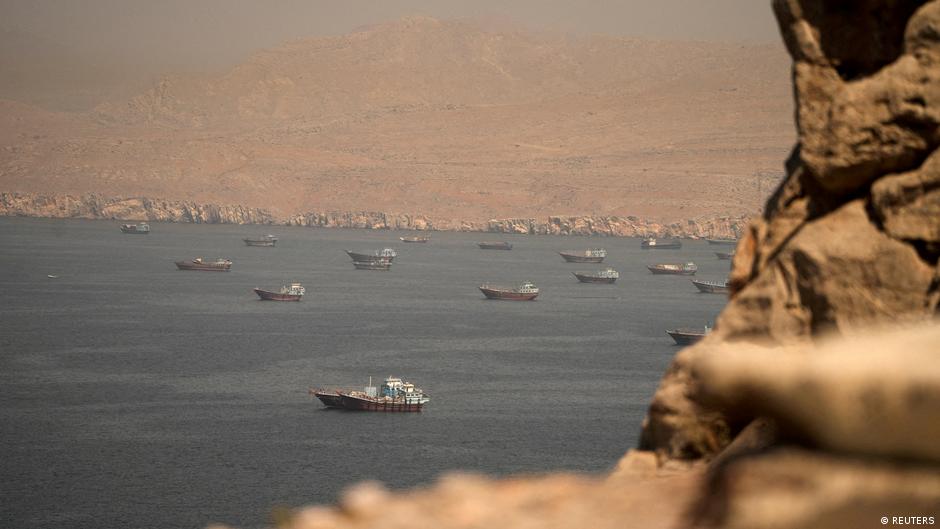
The ongoing tensions in the Strait of Hormuz have prompted energy-exporting nations to seek alternative shipping routes as a way to navigate these geopolitical challenges. With blockades and an uncertain security situation, it’s become increasingly clear that relying solely on this critical maritime passage may not be sustainable for many countries.
Strategic Movements by Saudi Arabia
Saudi Arabia has taken significant steps to adjust its crude oil shipping routes amid the turmoil, opting to utilize the East-West Pipeline that connects its eastern oil fields directly to the Red Sea port of Yanbu. This strategic pivot has allowed the kingdom to maintain a steady flow of shipments to international markets without traversing the volatile Strait of Hormuz. Recent data indicates a stark reduction in shipments from Saudi Arabia’s Gulf coast, dropping from 47.5 million tons to just 6.3 million tons during the most challenging months. In contrast, its shipments through the Red Sea saw a rise from 29.6 million to 54.8 million tons, effectively balancing the disruption.
This shift emphasizes that the East-West Pipeline is not merely an auxiliary option but an essential asset for Saudi Arabia in sustaining its oil exports during periods of conflict. Despite recent declarations of a maritime blockade from Iranian-backed Houthi rebels, Saudi Arabia’s efforts to streamline logistics have proven resilient, showcasing the ability to adapt while faced with significant challenges.
The UAE’s Limited Success
While the UAE has established infrastructure like the Abu Dhabi Crude Oil Pipeline (ADCOP), its attempts to divert oil exports away from the Strait of Hormuz have not fared as well as those of Saudi Arabia. Though ADCOP is designed to transport crude from Abu Dhabi to Fujairah, it remains vulnerable to threats from the Iranian military. This challenge became evident during recent conflict, as attacks on vessels in the vicinity of Fujairah highlighted the potential risks of this alternative route.
Statistics reveal that UAE crude traffic plummeted from 68.5 million tons to just 12 million tons during a similar period, underscoring the difficulties in tapping into alternative routes. The high war-risk perception complicates matters; if insurers and shipping companies regard these routes as perilous, oil trade would continue to suffer, echoing the vulnerabilities that the Strait of Hormuz presents.
Exploring New Pipeline Options
Discussing longer-term solutions, experts propose constructing new pipelines connecting Iraq with Oman and Jordan. Yet, the financial and logistical implications of such projects are daunting, estimated to cost between $8 billion and $15 billion and requiring a timeline of five to seven years for completion. The possibility of rerouting vessels around the Cape of Good Hope remains another option, though it entails considerable increases in transport costs, impacting the overall pricing in the global oil market.
As the Red Sea route also faces its own threats—being at risk of Houthi attacks—the necessity for alternative paths is evident. The ongoing conflict has exposed vulnerabilities that span various potential routes, reinforcing the idea that while bypass strategies may alleviate some pressures, they cannot fully replace established channels like the Strait of Hormuz.
Dependence on the Strait of Hormuz
Countries like Qatar, Kuwait, and Bahrain face even greater obstacles due to their geographic limitations; without coastlines beyond the Persian Gulf, alternatives are scarce. Their reliance on the Strait of Hormuz for oil exports is entrenched, indicating that any bypass route would necessitate collaboration with neighboring states like Iraq or Israel.
In conclusion, while there are efforts to expand pipeline capacities and utilize alternative routes, the Strait of Hormuz remains a critical and irreplaceable artery for oil transportation. The ongoing geopolitical tensions underscore the complexities of ensuring energy security in the region, making it imperative for countries to find balanced solutions to their energy export dilemmas. As the situation continues to evolve, nations must weigh their options carefully, lest the pressing conflict in the Strait of Hormuz dictate the future of global oil trade.