
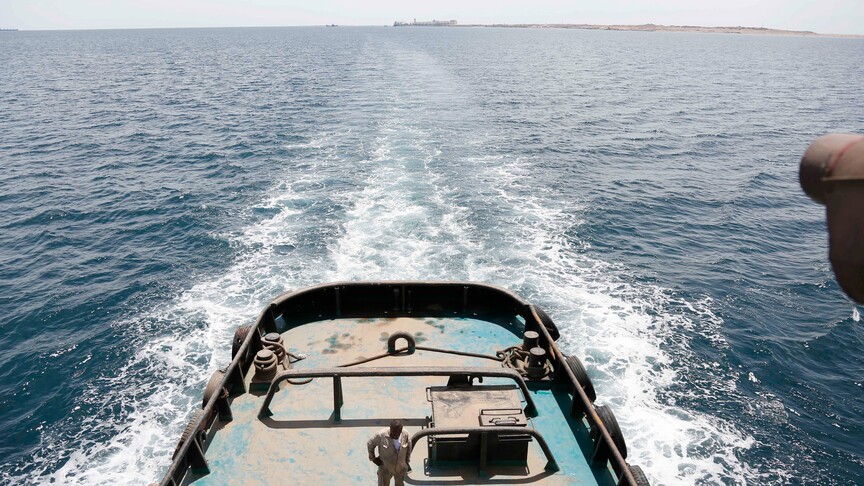
Yemen’s Houthi faction has recently enacted a significant maritime restriction against Saudi Arabia, signaling a new level of tension between the two regions. This announcement by the Houthi military spokesperson indicates a fresh escalation in hostilities that could have serious implications for regional stability.
Details of the Maritime Blockade
On a Monday broadcast, Yahya Saree, the military spokesperson for the Houthis, revealed that the maritime blockade had taken immediate effect. According to his remarks aired on Al-Masirah, the group’s official television station, the ban includes all maritime activities linked to Saudi Arabia. This strategic move underscores an ongoing cycle of retaliation, suggesting that the Houthis are prepared to react strongly to any perceived aggression from their neighbor.
Saree issued a stark warning regarding Saudi Arabia’s potential military actions, stating that any escalation from Saudi forces would provoke what he characterized as a “comprehensive and severe escalation.” The phrasing of this threat raises concerns about the possibility of further conflict, as regional stakeholders watch closely to see how both sides will respond in the coming days.
Recent Context and Hostilities
Just last week, tensions heightened dramatically when the Houthis claimed that Saudi Arabia had launched an airstrike aimed at Sanaa Airport, which they followed with missile launches targeting Saudi territory. This series of events has shattered a period of relative calm that had persisted in the region for years. The Saudi government has yet to issue a formal response to these allegations, which raises questions about their strategic position in this ongoing conflict.
Yemen’s internationally recognized government has stepped into the fray, asserting responsibility for the airstrike on the airport. They state that the attack was necessary to prevent an Iranian aircraft from landing, further complicating an already intricate geopolitical situation. This acknowledgment adds another layer of complexity, as it highlights the influence of Iran in the conflict and the broader implications for regional alliances.
The Broader Implications for Regional Stability
The maritime blockade and the recent military exchanges between the Houthis and Saudi Arabia could have far-reaching consequences, affecting not just the two nations involved but also the wider region. Saudi Arabia has long been concerned about Iran’s influence via proxies like the Houthis, and increased maritime tensions can disrupt trade routes vital for both nations. The potential for an escalated response could also draw in other regional powers, further complicating the geopolitical landscape.
In an era where maritime security is paramount for economic stability, such confrontations raise awareness of the risks inherent in the Red Sea lanes. Stakeholders must remain vigilant about the ongoing developments, as the situation can shift rapidly, influencing not only military strategies but also economic conditions across the region.
In conclusion, the Houthi blockade against Saudi Arabia represents a dangerous turn in the ongoing conflict. With both sides poised for further escalation, the international community must closely monitor these developments, recognizing the potential for this situation to exacerbate existing tensions while seeking avenues for dialogue and de-escalation.