
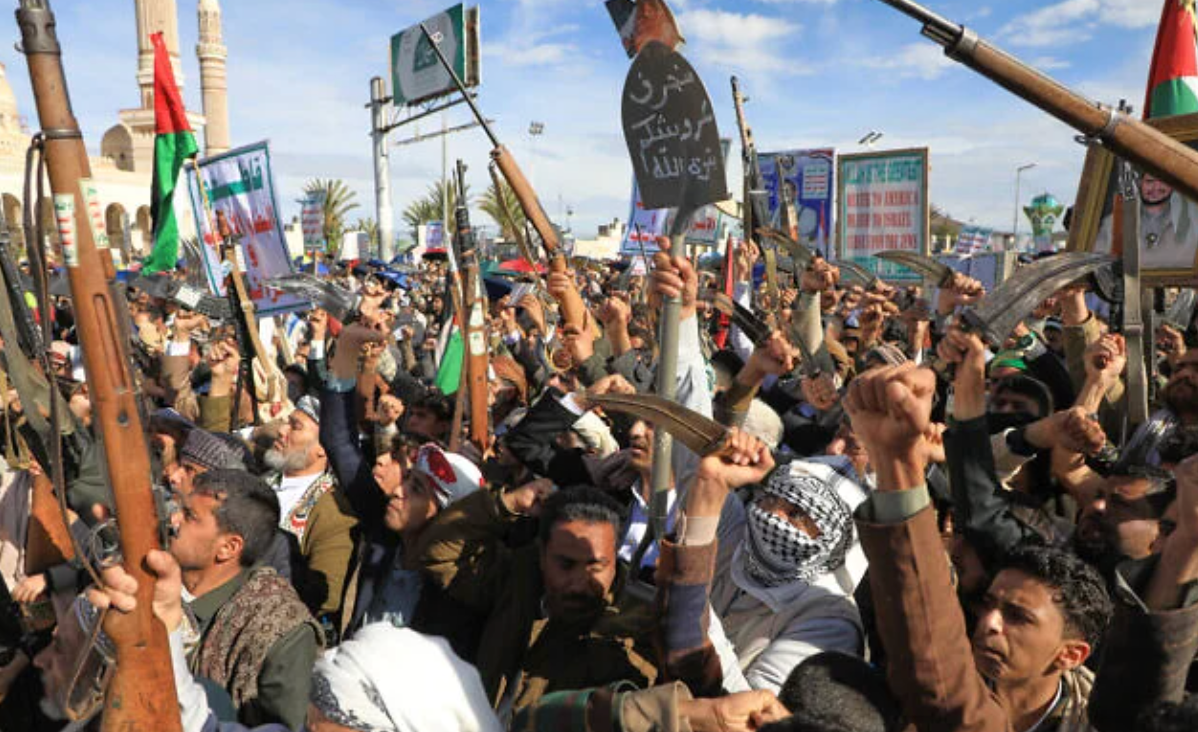
Yemen is currently facing a significant threat of renewed large-scale conflict, which could be more severe than at any time since the United Nations brokered a truce in April 2022. This alarming assessment comes from Hans Grundberg, the UN Special Envoy for Yemen, as tensions escalate between Iran-backed Houthis and Saudi Arabia. These tensions have manifested through attacks on commercial shipping in the Red Sea and Gulf of Aden, as well as assaults on Saudi and Yemeni military forces.
The Fragile Gains of the 2022 Truce
The ongoing war between the Houthis and the Saudi-led coalition, which has been in conflict since 2014, saw a lull following the UN-mediated ceasefire in 2022. The tentative peace was bolstered by agreements made in Oman a year later, allowing for a semblance of calm within Yemen. Nevertheless, the situation has deteriorated in the past month, with numerous casualties among both Houthis and Yemeni government forces due to renewed hostilities. The situation escalated significantly after a Saudi airstrike on July 13 targeted the airport in Sanaa, disrupting an Iranian flight carrying a high-ranking Houthi delegation. This incident is considered a catalyst for the heightening violence.
Underlying Causes of Escalation
While the blocked Iranian flight significantly escalated tensions, it is not the sole cause for the renewed conflict. The breakdown of the Oman Agreement has notably frustrated the Houthis, who claim that Saudi Arabia has failed to fulfill promises, particularly concerning salary payments for civil servants and the full reopening of Sana’a Airport. The breakdown of trust has fueled resentment and conflict.
Another crucial factor is the recent military mobilization by Saudi Arabia in Yemen. As negotiations stalled, Saudi forces began a significant military buildup, prompting the Houthis to react with heightened rhetoric and ultimately direct attacks. Reports indicate that large shipments of military supplies have been unloaded at Al-Mocha port, signaling preparations for renewed operations against the Houthis. This military consolidation has alarmed the Houthis, who recognize the need to act swiftly to protect their decade-long authority in Yemen.
Consequences for the Humanitarian Crisis
The ongoing conflict has turned Yemen into one of the world’s worst humanitarian disasters. Houthi-controlled areas suffer the most, with residents facing severe hunger and deprivation. Years of bombardment by the Saudi-led coalition have failed to displace the Houthis, leading to a prolonged standoff. As Iran seeks to rejuvenate its network of proxies in the region, the prospect of a worsening situation in Yemen looms large, with no clear resolution in sight.
In summary, renewed tensions between the Houthis and Saudi Arabia signify a worrying trend that could destabilize an already fragile peace. With critical negotiations failing and military hostilities on the rise, Yemen’s humanitarian crisis appears poised to deepen, making immediate international attention and intervention more crucial than ever. The future of Yemen hangs in the balance as both local and regional dynamics shift, compounding the challenges faced by its beleaguered population.