
Iran’s recent activities have sparked concerns among regional and global observers. The hard-line leadership of Iran appears to have interpreted the June memorandum, negotiated between the U.S. and Israel, as a strategy to reduce pressure on the global economy while potentially buying time before more significant hostilities arise. While Iranian representatives were engaged in dialogues, Tehran took advantage of this period to bolster its military capabilities, indicating a readiness for extended conflict.
Iran’s Military Preparations
Reports indicate that over the two months following the June agreement, Tehran focused on enhancing its military infrastructure. The Islamic Revolutionary Guard Corps (IRGC) intensified its control over the regular army, positioning experienced veterans of the Iran-Iraq war in strategic roles. This strategic realignment aimed to elevate Iran’s defense posture amid ongoing tensions. Additionally, the country ramped up its production of missiles and drones, along with expanding domestic counterintelligence operations. Such actions underline a palpable shift towards a more aggressive military stance.
Diplomatic Maneuvers Amid Rising Tensions
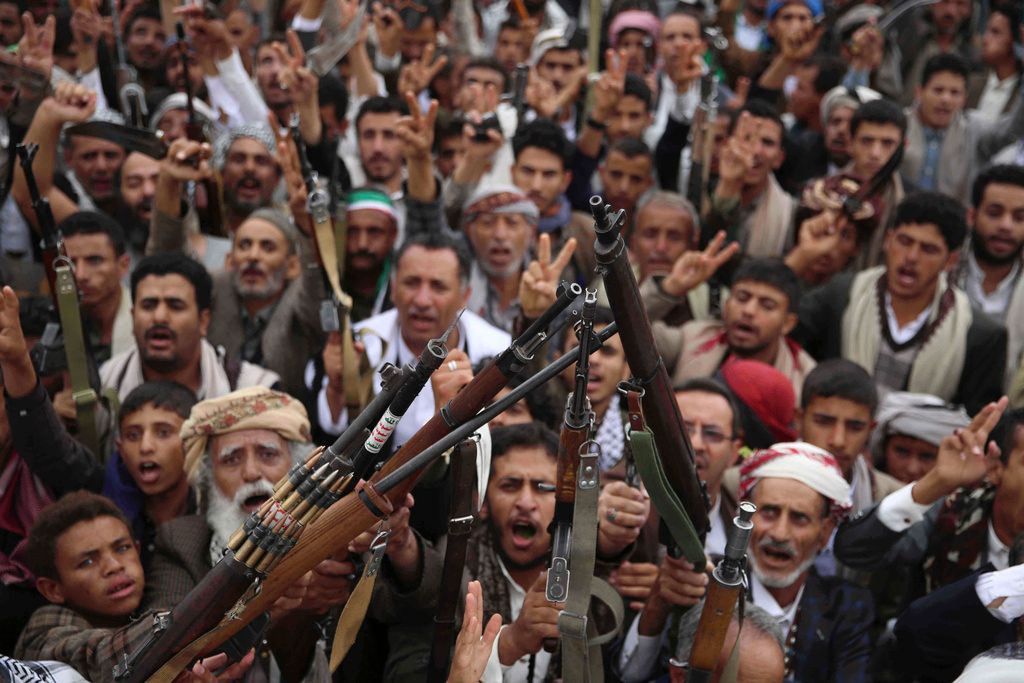
While diplomats were engaged in negotiations with Washington, Iran’s Supreme Leader Mojtaba Khamenei was preparing the nation’s security forces for potential confrontations, which experts believe could be initiated by Tehran itself. Intelligence gathered through intercepted communications reveals that the IRGC deployed commanders to collaborate with Yemen’s Houthis. This collaboration aimed at planning a more assertive approach against Saudi Arabia, coordinating efforts with Iranian-backed militias in Iraq.
The IRGC’s involvement has extended to overseeing the placement of advanced military hardware, including missiles and drone launchers, near strategically significant waterways such as the Red Sea. There is evidence that these military assets, coupled with intelligence sharing and target lists focusing on Saudi energy infrastructures, are integral to Iran’s strategy for a potential escalation of conflict in the region.
Ongoing Regional Confrontations
The Houthis’ declaration of a shutdown of the Bab al-Mandeb Strait for Saudi Arabian vessels exemplifies the rising hostilities. Concurrently, Iranian-supported militias in Iraq have launched drone strikes on Saudi oil installations, further heightening tensions. The IRGC has issued threats to Gulf states, warning of retaliatory strikes on their energy facilities should the U.S. engage similar sites within Iran. Detailed target lists have reportedly been shared with allied Arab countries, showcasing the layered military strategy Iran has constructed.
Future Implications and Strategic Outlook
In recent weeks, Khamenei has reorganized Iran’s security apparatus, further tightening the Revolutionary Guard’s grip on the military. Newly appointed IRGC Commander in Chief Ahmad Vahidi has been assigned to lead “powerful offensive operations against the enemy.” This development signals an intention to adopt a more aggressive military doctrine. Experts, like Mehdi Mohammadi, an adviser to Iran’s chief negotiator, have termed the current period as “the calm before the storm,” suggesting that an overarching agenda for revenge prevails following the earlier geopolitical upheavals.
As Iran continues to navigate a complex web of diplomacy and military aggression, the implications for regional stability are profound. With escalating confrontations and enhanced military capabilities, the potential for significant conflict remains high, and the international community will need to remain vigilant in its response to this evolving situation.