
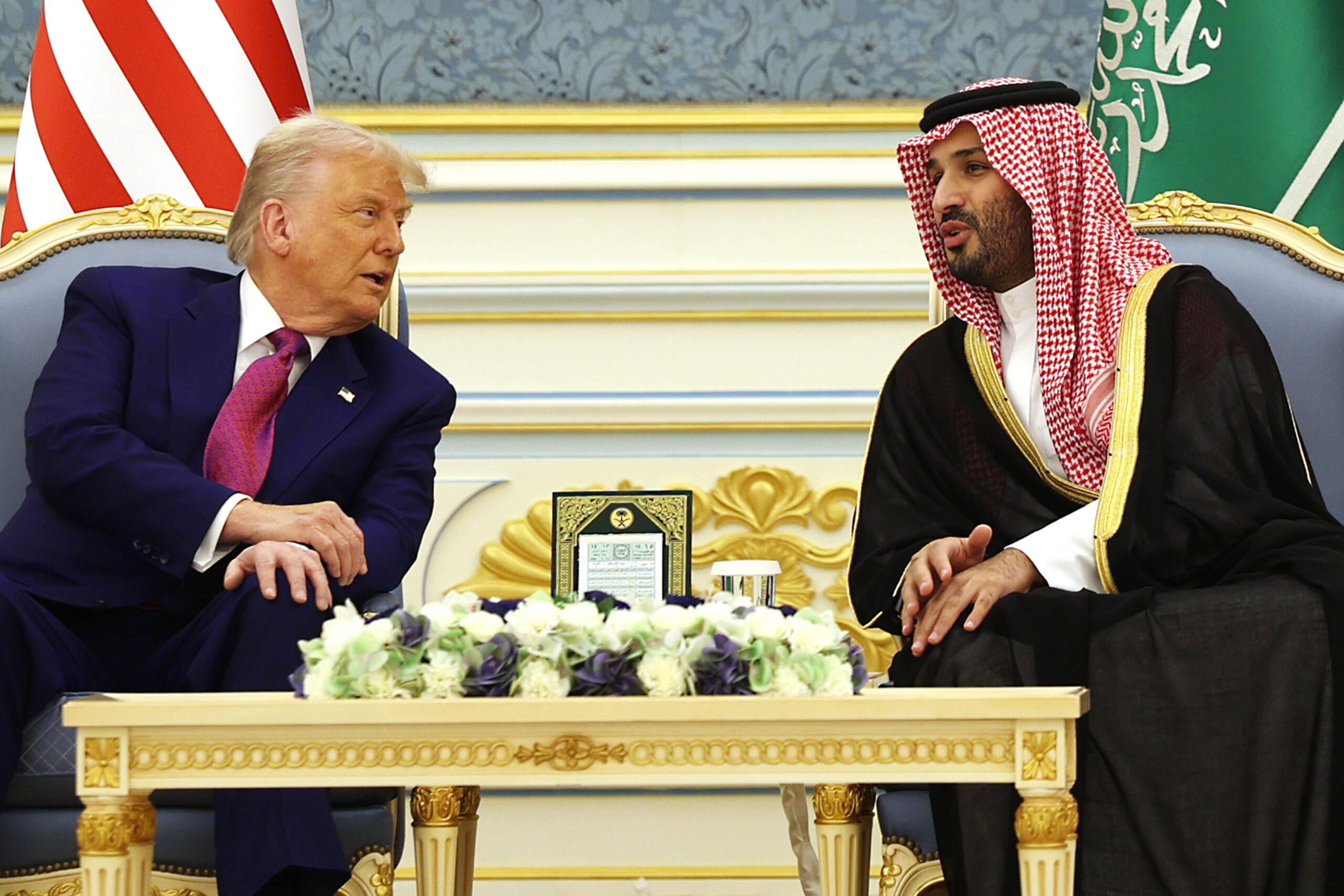
The impending civil nuclear deal between the United States and Saudi Arabia is raising alarms among lawmakers and experts on nonproliferation. As the Trump administration gears up to present this pact to Congress, many are voicing strong reservations about the potential ramifications, highlighting concerns that it disregards traditional safety measures and could provoke a nuclear arms race in the already volatile Middle East.
Concerns Over Nuclear Safety Measures
The proposed agreement aims to facilitate Saudi Arabia’s development of civilian nuclear energy. However, critics argue it lacks essential safeguards. Specifically, the deal does not demand that Riyadh adhere to the “gold standard” of nuclear nonproliferation, which typically prohibits domestic uranium enrichment and fuel reprocessing. This discrepancy is troubling, especially when compared to the agreement established with the United Arab Emirates, which contains stringent measures to mitigate military or covert nuclear activities.
Moreover, Riyadh would be exempt from accepting the International Atomic Energy Agency’s (IAEA) “additional protocol.” This protocol allows for unannounced inspections of nuclear sites to prevent clandestine military operations. The U.S. has generally refrained from engaging in such agreements with states that reject these crucial oversight measures, thereby heightening apprehensions about this potential pact.
Political Pushback
A broad coalition of Democrats has expressed deep reservations regarding the civilian nuclear pact. Historically, Congress has supported stringent nonproliferation measures related to Saudi Arabia. In May, numerous lawmakers sent a letter urging Secretary of State Marco Rubio to ensure adherence to strict U.N.-backed protocols, including mandatory IAEA inspections. While the State Department’s response indicated that both nations would commit to a “bilateral safeguards agreement,” it fell short of affirming the gold standard, adding to the growing discontent among lawmakers.
Representative Brad Sherman articulated concerns about the lack of military safeguards, suggesting that neglecting these precautions is inherently linked with militarization. He cautioned that a Saudi nuclear weapon could spark widespread nuclear proliferation across the region, potentially inciting neighboring countries like Egypt and Turkey to follow suit.
Potential Risks of Regional Proliferation
Experts warn that the leniency shown to Saudi Arabia in this pact could set a dangerous precedent for future U.S. nuclear cooperation. If the U.S. allows Saudi Arabia to enrich uranium, it could undermine existing partnerships — particularly with the UAE — and invite a cascade of nuclear endeavors from other nations in the region. The implications of this agreement could be far-reaching, altering the strategic landscape and jeopardizing long-standing nonproliferation frameworks that the U.S. has worked diligently to uphold.
The reluctance to impose stricter conditions on Riyadh can be further complicated by the kingdom’s historical ties to other countries like China and Russia, both of which have already engaged in nuclear cooperation with Saudi Arabia. Should the U.S. compromise on these principles, it risks bolstering these adversarial relationships and encouraging a more aggressive pursuit of nuclear capabilities within the region.
As the administration moves forward with the report, Republican and Democratic lawmakers alike are demanding clarity and safeguards. While discussions on this vital issue continue, the call for an unequivocal commitment to nonproliferation remains a central point of contention that could shape future U.S. nuclear policy, especially in a region fraught with tensions and competing national interests.