
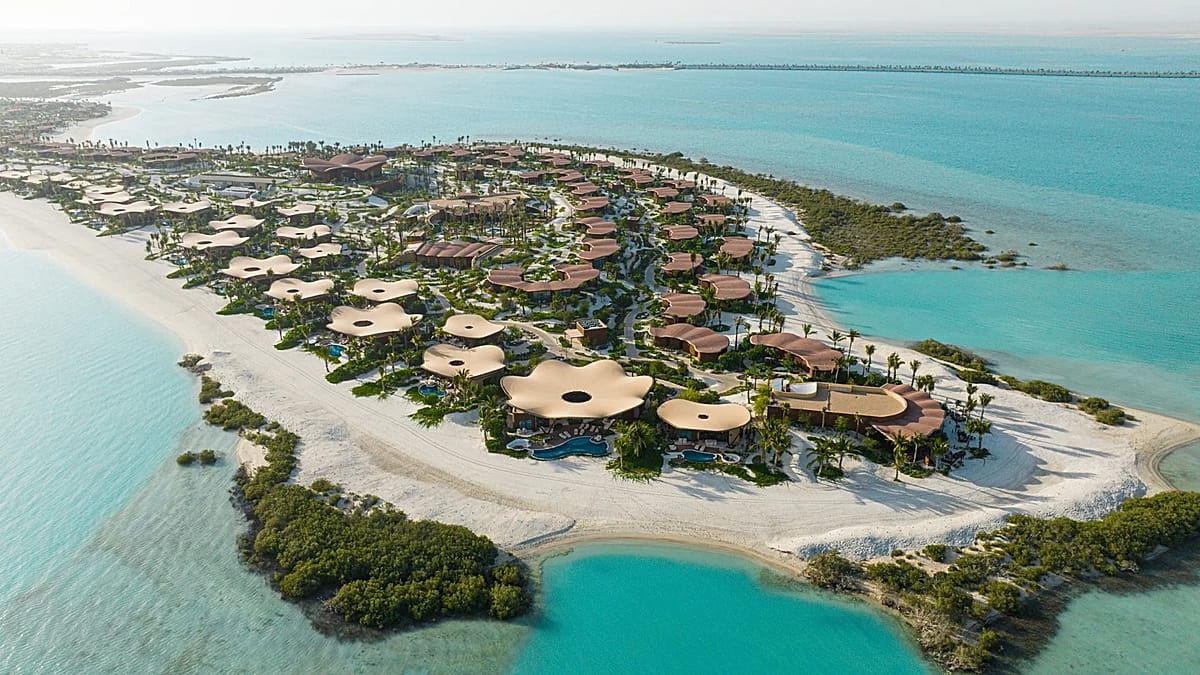
When envisioning a luxurious seaside getaway, many immediately think of the idyllic Maldives — characterized by stunning turquoise waters, pristine white beaches, and stunning overwater villas. However, Saudi Arabia seeks to expand upon this imagery with a groundbreaking initiative designed to create a premier international tourism hotspot.
Redefining Luxury at the Red Sea
Nestled along the western coastline of Saudi Arabia, an ambitious tourism project called The Red Sea is underway, aiming to set a new standard in upscale travel. This expansive development covers over 28,000 square kilometers and includes an archipelago of more than 90 islands. However, only 22 of these islands will undergo development to ensure the preservation of the local ecosystem, which enhances the exclusivity and allure of the project.
Stephen Cheesebrough, the Head of Development at Red Sea Global, emphasizes the importance of environmental conservation, stating, “We are committed to conserving and protecting the natural environment.” The project has caught the global spotlight for its intent to provide an experience that diverges significantly from that of the Maldives, as it encompasses not only beautiful beaches but also mountains, desert landscapes, and more.
Diversification of Experiences
While the crystal-clear waters and sandy beaches may evoke thoughts of the Maldives, Cheesebrough highlights the unmatched diversity that The Red Sea offers. Visitors can spend their mornings snorkeling through vibrant coral reefs and transition into afternoon adventures in the desert or dine with spectacular mountain views. This blend of experiences sets Saudi Arabia’s luxury destination apart from other upscale locales in the Indian Ocean and the Caribbean. With 1,800 kilometers of untouched coastline and some of the world’s best-preserved marine ecosystems, the destination aims to draw discerning travelers seeking unique experiences beyond traditional hotspots.
Moreover, The Red Sea places a strong emphasis on regenerative tourism, a concept that transcends usual sustainability practices. “Today, it’s no longer enough to just protect the natural environment,” Cheesebrough explains. “The real challenge is improving it.” The initiative promotes the idea that luxury tourism can coexist with environmental enhancements. The entire complex operates on renewable energy, implements water recycling systems, and strives to minimize landfill waste.
Gateway to the Heart of Saudi Arabia
Currently comprising 11 operational hotels, with more accommodations on the horizon, The Red Sea continues to attract attention. Notable developments include Shura Island, envisioned to be the centerpiece of this burgeoning destination, featuring international hotels, restaurants, a marina, and golf facilities. Additionally, visitors can partake in various activities such as scuba diving, water sports, and hiking, alongside the innovative ADRENA district, which boasts an expansive saltwater surf pool.
However, the vision goes beyond just resort stays. Cheesebrough notes that many visitors use their time at The Red Sea as a springboard for exploring the wider wonders of Saudi Arabia. The goal is for this luxury destination to serve as an entry point into the kingdom, encouraging travelers to discover diverse attractions, such as AlUla and Jeddah.
A Year-Round Escape
One primary objective is to challenge the perception that Saudi Arabia is a seasonal destination. The initiative aims to remain operational year-round by attracting visitors seeking extraordinary experiences — not only those focused on luxury, but also nature enthusiasts and adventure seekers. The newly constructed Red Sea International Airport has already facilitated over 78,000 passengers since early 2026, enhancing connectivity with major cities like Riyadh, Jeddah, and Dubai.
Looking ahead to 2030, the project envisions a comprehensive layout, which will include 50 hotels, approximately 8,000 rooms, and more than 1,000 residences, accommodating around one million visitors annually. As global travelers seek fresh destinations, The Red Sea aspires to be more than just another luxury resort; it aims to be a pioneering ecosystem where nature, sustainability, and unique experiences converge. If successful, this transformative project could position Saudi Arabia as a leader in the future of luxury tourism while serving as a model for ecological preservation.