
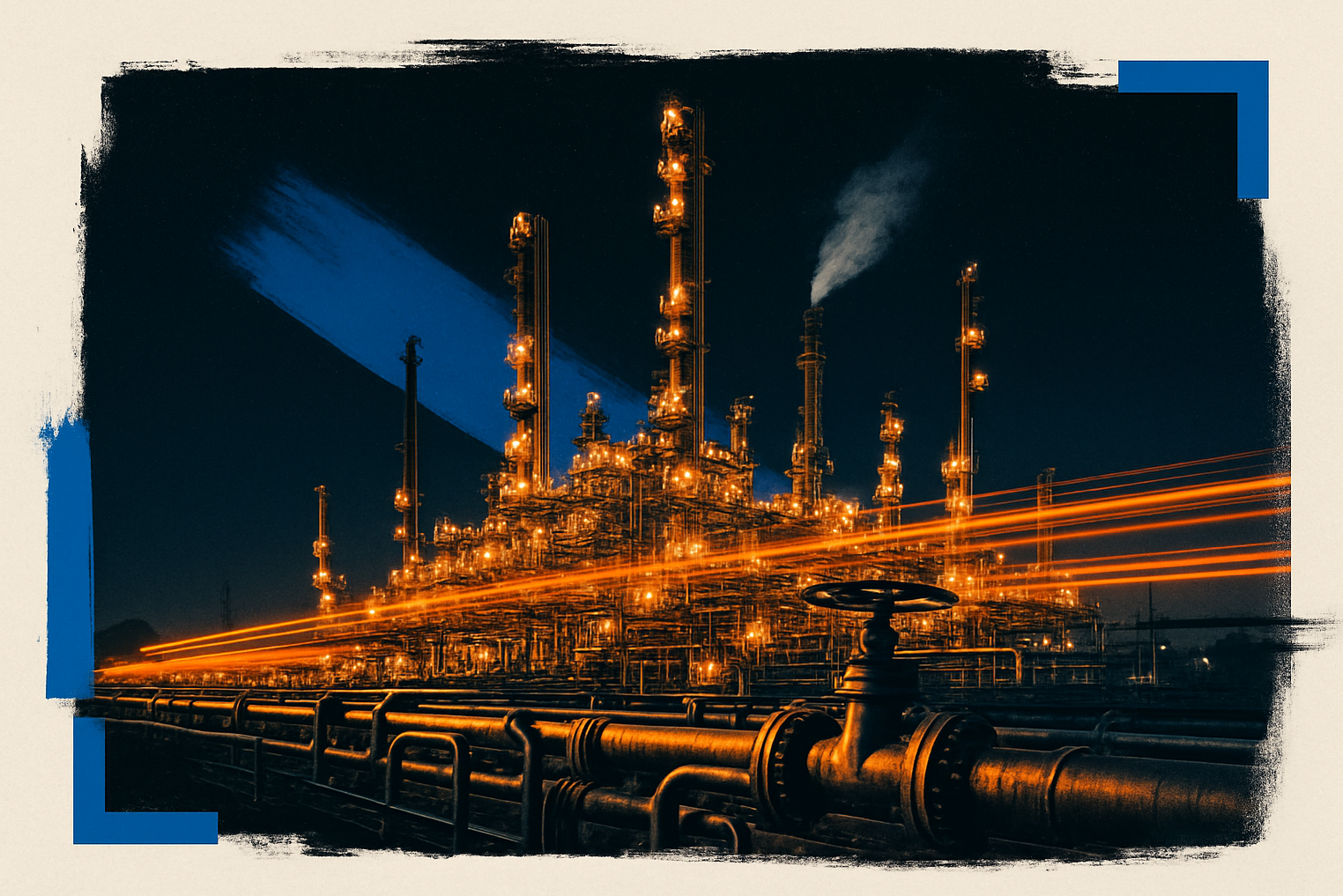
Recent reports of explosions in Saudi Arabia have reignited discussions about their potential impact on the energy market. Investors and analysts are particularly interested in whether these incidents affect energy infrastructure directly or if they are merely peripheral events. This curiosity stems from the historical tendency of crude oil prices to react sharply to verified attacks on production, processing, or export facilities, while quickly losing momentum if the targets turn out to be non-energy related. Understanding this dynamic is crucial for grasping market reactions and price fluctuations.
The Importance of Energy Infrastructure in Market Reactions
When incidents occur in the region, the market’s immediate concern is to ascertain their relation to energy infrastructure. Attacks on vital facilities can lead to abrupt increases in West Texas Intermediate (WTI) and Brent crude oil prices, followed by a heightened interest in time spreads. However, if reports indicate that the incidents are civilian or military in nature, the associated price movements often fade quickly. Historical precedents, such as the Abqaiq attack, illustrate this behavior, where acute supply-side disruptions lead to transient spikes in oil prices.
Sources of Information and Market Implications
The credibility of news sources plays a significant role in shaping market reactions. For example, reports from Mehr, which is linked to Iranian state media, often have to be treated with caution. Past occurrences have shown that initial reports from regional state outlets can either precede genuine escalations or be part of contested claims. Thus, confirmation from established wire services and official Saudi channels is crucial in determining the validity of these reports and their potential impact on oil markets.
Indicators of Physical Disruption
What can transform a fleeting price reaction into a sustained shift in the market is the evidence of physical disruption. This can include official statements from the Ministry of Energy, tracking of tankers, and the monitoring of loading schedules at Gulf terminals. Any alterations in insurance or freight pricing also provide insight into the market’s expectations regarding supply risk. These indicators are critical for investors seeking to understand whether the incident will have long-term implications or if it is merely temporary noise.
The Role of Geopolitical Tensions
As the situation develops, the framing by key players such as Riyadh and Tehran becomes pivotal. Retaliatory statements can shift the narrative from one of noise to a more significant supply-risk storyline. Additionally, claims of responsibility from groups like the Houthis can further intensify market sensitivity, as they may imply sustained conflict or a heightened likelihood of future attacks. Understanding these dynamics aids traders and investors in making informed decisions amidst geopolitical turbulence, as the specter of supply disruptions looms large in the energy sector.
In summary, the interplay between geopolitical events and the energy market illustrates the complexity of price behavior following incidents like explosions in Saudi Arabia. By assessing the credibility of sources, watching for indicators of physical disruption, and monitoring geopolitical responses, stakeholders can better navigate the volatile landscape of oil prices.