
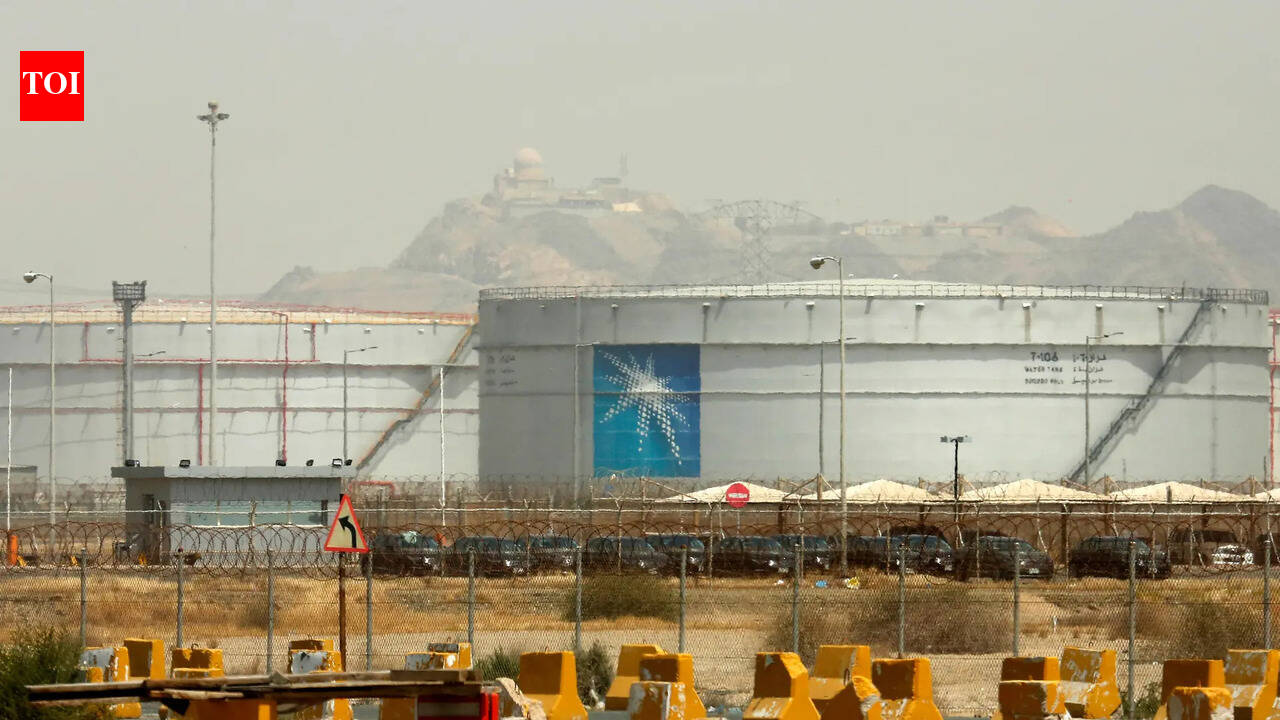
Saudi Arabia has made significant headlines by slashing its crude oil prices, reflecting a heightened competitive atmosphere among oil producers. The country’s decision to reduce prices by $11 per barrel for August marks the steepest drop in nearly three decades. This follows a series of adjustments, including a $6 per barrel decrease for July, as conditions in the Strait of Hormuz opened up. The current pricing strategy has seen Saudi crude sold to Asia at $1.50 per barrel lower than the Oman/Dubai average, suggesting a strategic move to boost exports amid fluctuating market dynamics.
Rising Output Amidst Competitive Pricing
The swift increase in output from major Persian Gulf oil producers, particularly Saudi Arabia, has been notable. The kingdom’s exports have surged close to pre-war levels as it successfully navigates the Strait of Hormuz with its tankers. Furthermore, the United Arab Emirates, which opted out of OPEC during the ongoing conflict, has also resumed its oil flow. This influx of supply is accompanied by OPEC+ and its allies, such as Russia, who have committed to increasing production targets by an additional 188,000 barrels per day starting in August. Such collaborative efforts underscore a broader strategy to stabilize and increase market presence amid high competition.
Impacts on Global Oil Prices
The market responded promptly to these developments, with Brent crude futures seeing a decline of 47 cents, settling at around $71.70 a barrel. This reduction in oil prices presents a significant advantage for countries like India. Indian refiners, who have been grappling with losses from selling petrol and diesel below market rates, stand to recover some of their costs. Moreover, with the subsidized prices of cooking gas outweighing expected revenues, lower crude prices could help the Indian government maintain a tighter reins on its subsidy expenditures, which are projected to exceed prior budgets.
Economic Repercussions for India
The implications of this price drop stretch beyond just immediate financial gains. For the Indian government, navigating the fiscal landscape amidst rising subsidy obligations has become increasingly complex. The government has already experienced a downturn of over ₹1.2 lakh crore due to tax cuts and other forms of support for oil marketing companies. With the subsidy budget earmarked for LPG set at ₹12,000 crore, expectations indicate that actual expenditures may reach at least three times that figure. Consequently, there is growing uncertainty among oil marketing firms about how the Center will address their accumulated losses, particularly as they prepare for financial challenges projected in the upcoming quarters.
Broader Economic Benefits
Lower oil and gas prices are likely to have cascading effects on energy costs for Indian firms, providing a further uplift to the economy. Manufacturing and commercial sectors may benefit from these reduced costs, which could aid in controlling inflation. Concerns had initially emerged that inflated retail prices might push consumers to delay non-essential purchases, potentially stalling economic growth. However, as energy prices stabilize, there is hope that the overall inflation rate will be moderated.
In conclusion, Saudi Arabia’s bold move to cut crude oil prices by a significant margin illustrates a clear shift in the dynamics of the global oil market. As producers ramp up output and OPEC+ adjusts its targets, countries like India are positioned to leverage these changes effectively. While uncertainties linger for oil marketing companies and the government regarding subsidy management, the broader economic implications suggest a path forward that could mitigate inflationary pressures and enhance fiscal stability.