
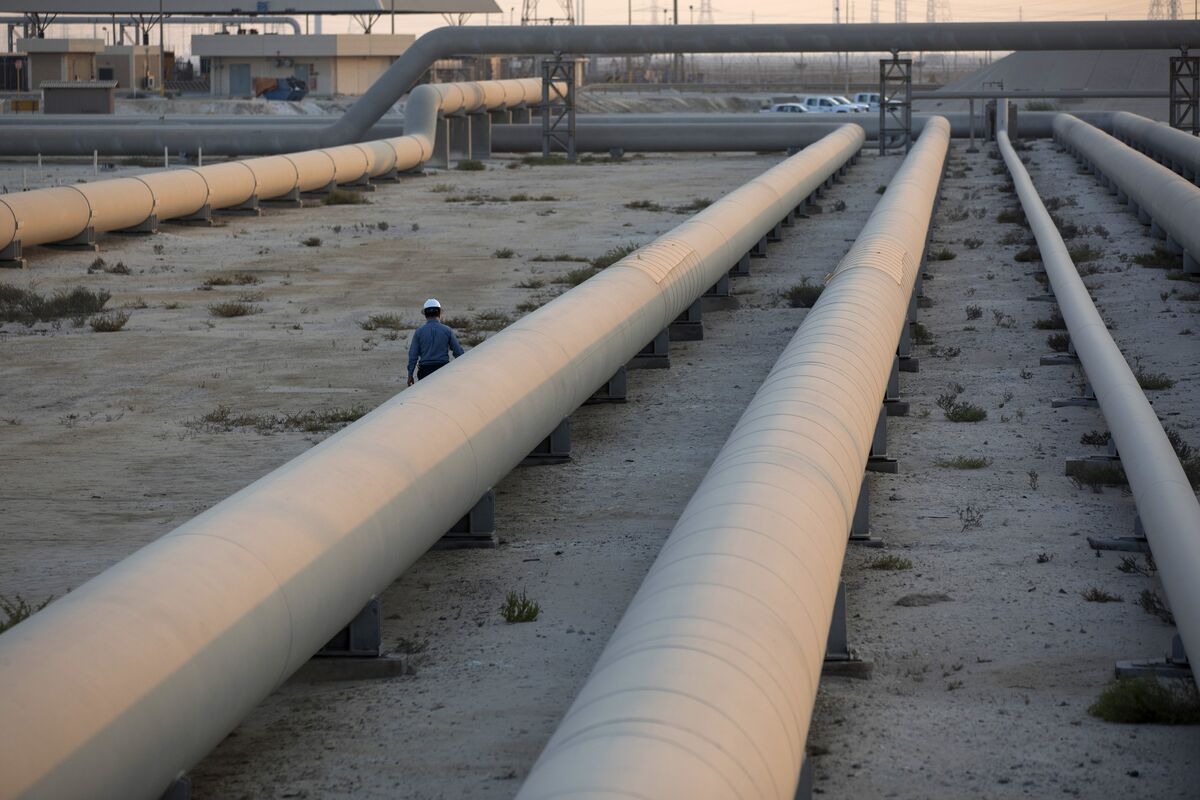
The ongoing blockade of the Strait of Hormuz is significantly impacting the economic landscape for oil-exporting nations in the Persian Gulf. This critical maritime route is responsible for a considerable portion of the world’s oil supply, and any disruption can lead to profound changes in revenue and economic stability for its user countries.
Impacts of the Blockade on Oil Prices
The blockade has resulted in soaring oil prices, which primarily benefits a select group of countries, notably Saudi Arabia and Oman. Both nations may experience a financial surge as market prices climb due to reduced supply. For Saudi Arabia, as one of the largest oil exporters globally, increased prices can mean substantial income that can be utilized for diversifying its economy as part of its Vision 2030 initiative. Oman, while smaller in comparison, stands to gain significantly from these price hikes, which could fund various socioeconomic development projects.
The Economic Dilemma for Neighboring Nations
Conversely, nations like the United Arab Emirates (UAE) may face challenges due to this blockade. The rise in oil prices does not uniformly benefit all exporters; the UAE, known for its refined oil exports, could see its revenues decline as shipping routes become less accessible. With its economy heavily reliant on oil, such a drop in petrodollar income can lead to long-term adverse effects on its growth and development. This divergence in experiences creates an economic divide among the Gulf states, raising questions about future collaboration and stability in the region.
Strategic Responses from Oil Exporters
In response to these changing dynamics, oil exporters are recalibrating their strategies. Countries like Saudi Arabia may increase production to capitalize on high market prices, while Oman could implement policies to maximize revenue during this period of elevated prices. The UAE, on the other hand, might need to pivot its focus toward alternative energy investments or enhance its refining capabilities to offset the impacts of the blockade. These adaptive measures will be crucial in helping these nations navigate the uncertain waters created by geopolitical tensions.
Future Outlook for the Persian Gulf Region
Looking ahead, the effects of the Strait of Hormuz blockade are set to reshape the economic interactions among Persian Gulf nations. As countries respond to the diverse challenges and opportunities presented by this blockade, the overall stability of the region could be at stake. The economic split may lead to a competitive environment, potentially straining relationships among allies. Collaborative efforts to stabilize oil prices and secure shipping routes will be essential for restoring equilibrium and fostering a cooperative atmosphere in the region.
In summary, the blockade has produced a multifaceted economic situation, with winners and losers among oil exporters in the Persian Gulf. The disparities in financial gains emphasize the necessity for each country to strategically adapt and prepare for future challenges. The long-term implications of these changes will be crucial for the economic landscape of the region.