
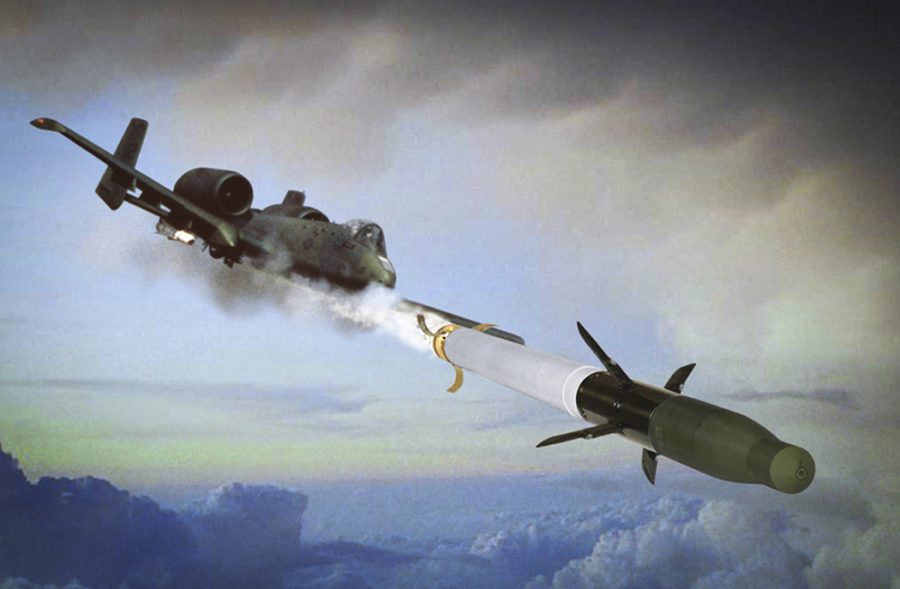
The modern warfare landscape is rapidly evolving, primarily due to the growing prevalence of low-cost drones. This surge has forced nations worldwide to rethink their air-defense strategies, leading to a greater emphasis on inexpensive yet effective solutions, such as laser-guided rockets. Recently, Saudi Arabia took a significant step in this direction, securing U.S. approval for an extensive purchase of advanced military technology.
Saudi Arabia’s Major Arms Deal
The U.S. State Department announced a potential $1.96 billion arms sale to Saudi Arabia, which includes 20,000 Advanced Precision Kill Weapon System (APKWS-II) rockets. This deal consists of 10,000 air-to-air and 10,000 air-to-ground guidance sections. The package also comes with significant ancillary equipment, such as LAU-131 A/A launchers, Mk-152 high-explosive warheads, and various practice ordnance. This move is indicative of Saudi Arabia’s commitment to modernizing its military capabilities in response to shifting threats, particularly in the Gulf region.
Recognizing the severe drone threat from adversaries, the Royal Saudi Air Force (RSAF) is expected to utilize the APKWS II with its existing fleet, possibly mounting these systems on its F-15SA and Eurofighter aircraft. This integration enhances the operational flexibility of Saudi forces, allowing them to counter drone threats more effectively while contributing to broader U.S. foreign policy and security objectives in the region.
Threat Landscape in the Gulf Region
While Saudi Arabia appears to be less targeted by Iranian attacks lately, it remains on high alert due to ongoing tensions with Houthi rebels in Yemen. Since 2015, the conflict has drawn in a Saudi-UAE coalition, which struggles to counter the Houthis’ capabilities in northern Yemen, including the capital, Sanaa. The situation worsened with recent Houthi missile and drone strikes against crucial infrastructure in Saudi Arabia, intensifying the necessity for effective air defense solutions.
Both Iran and the Houthis have amassed an arsenal of low-cost, one-way attack drones. Such unmanned systems pose significant challenges to traditional air-defense measures, which are often costly and complex. With advanced interceptors proving economically unsustainable against these cheaper threats, Saudi Arabia’s decision to acquire the APKWS-II serves a dual purpose: it enhances immediate military readiness while ensuring economic parity in ongoing conflicts.
The Advantages of Laser-Guided Rockets
The APKWS II system offers a lucrative solution to the current demands of aerial warfare. Designed to transform standard unguided rockets into precision-guided munitions, it allows pilots to engage targets at a fraction of the cost typical of advanced air-to-air missiles. Its adaptive capabilities make it suitable for various combat scenarios, particularly effective in counter-drone operations where larger, more expensive missiles may not offer an efficient return on investment.
This laser-guided rocket system provides aircraft with vital ammunition capacity. A fighter jet loaded with APKWS rockets can remain operational for extended durations, engaging multiple drones in a single mission. This capacity allows for sustained operations, critical in environments where drone swarms can overwhelm traditional defense systems. With a price point of around $35,000 per rocket, the APKWS II enables a battlefield economy where expenditures align more closely with the threats faced.
In summary, Saudi Arabia’s acquisition of the APKWS II represents a strategic maneuver in the context of modern warfare. As drone technology continues to advance and proliferate, nations must adapt rapidly, enhancing their military capabilities while maintaining fiscal responsibility. The adoption of cost-effective solutions like laser-guided rockets will likely shape the future dynamics of air defense operations in the Gulf region and beyond.