
The recent transformation of Saudi Arabia’s educational curriculum marks a significant shift towards moderation and peace. A study released on August 17, 2026, reveals that the curriculum has been purged of antisemitic content, now emphasizing coexistence and portraying Islamic extremism as a genuine threat to societal stability. This shift aligns with diplomatic efforts aimed at fostering peace between Saudi Arabia and Israel, particularly in the context of evolving relationships in the Middle East.
Overview of Curriculum Changes
The comprehensive review conducted by IMPACT-se, a London-based research organization, assessed 136 textbooks utilized in the 2025-26 academic year. The findings highlight ongoing reforms that are reducing extremist and intolerant narratives within the educational framework. The updated materials foster loyalty to the Saudi state and challenge extremist ideologies, suggesting a commitment to national unity and stability.
One notable modification includes the alteration of foundational concepts related to conflict, particularly concerning Jerusalem. An Arabic language exercise for 11th graders has eliminated the contentious phrase asserting that “Muslims will never give up Jerusalem.” This change reflects a broader effort to depoliticize education and mitigate incendiary rhetoric.
Promoting Peace and Tolerance
The Saudi textbooks now place a stronger emphasis on obedience to state authority and denounce radical groups such as ISIS, Al-Qaeda, Hezbollah, and the Muslim Brotherhood. By vividly portraying Islamic extremism as a danger to national integrity, the curriculum contributes to a more profound understanding of societal threats. Furthermore, the approach to jihad and conflict is gradually shifting away from glorifying violence, thereby promoting the principles of civilian protection and state sovereignty.
A 9th-grade Islamic Studies textbook has also made strides by clearly prohibiting harm to noncombatants during warfare, refining previous language that provided allowances for violence under certain circumstances. Such adjustments are not merely superficial; they indicate a more significant commitment to ethical standards in conflict scenarios.
Interfaith Relations and Cultural Sensitivity
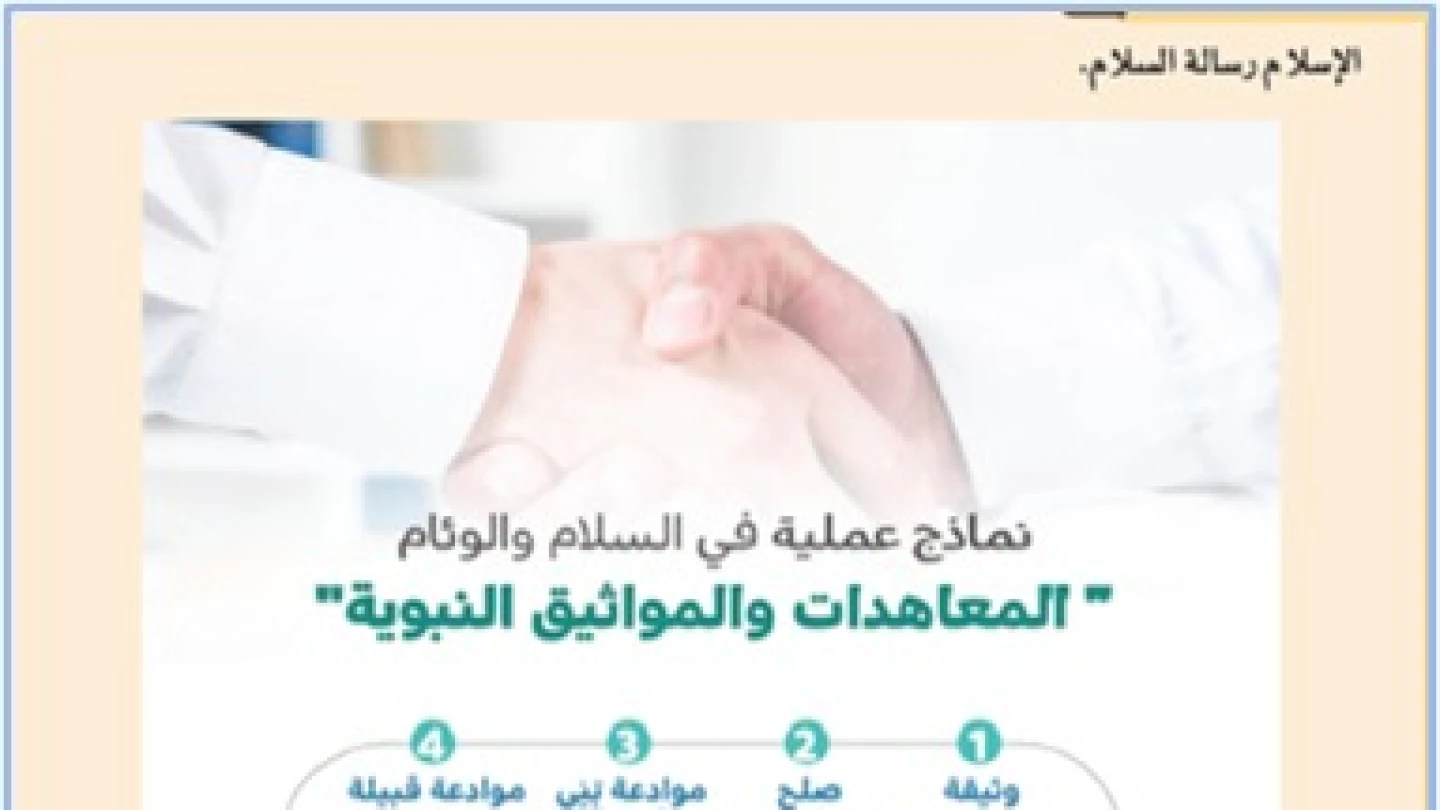
Beyond reforming perspectives on violence, the new curriculum seeks to establish positive representations of interfaith relations. Texts now highlight Prophet Muhammad’s respectful engagement with non-Muslims, documenting historical peace deals with Jewish, Christian, and Arab communities. This approach resonates with broader calls for tolerance and understanding within a diverse society.
A particularly striking change arises in the portrayal of religious minorities. A Grade-7 textbook has removed outdated and derogatory descriptions of non-Muslims, a step that underscores the increasingly positive portrayal of different faiths within Saudi curricula.
Implications for Future Stability
According to Marcus Sheff, CEO of IMPACT-se, these reforms in the Saudi educational system signify a historic triumph for peace and tolerance. The overall trend of moderation not only reflects significant educational shifts but also fosters optimism for enhanced regional stability and mutual understanding. As the curriculum evolves to embrace more tolerant views, it promises to play a crucial role in shaping a harmonious future for Saudi Arabia and its neighbors.
In conclusion, the significant educational reforms enacted in Saudi Arabia are indicative of a deliberate strategy to steer the country toward a more peaceful and tolerant society. These developments could very well influence regional dynamics and help pave the way for improved relationships between diverse communities within and beyond Saudi borders.